
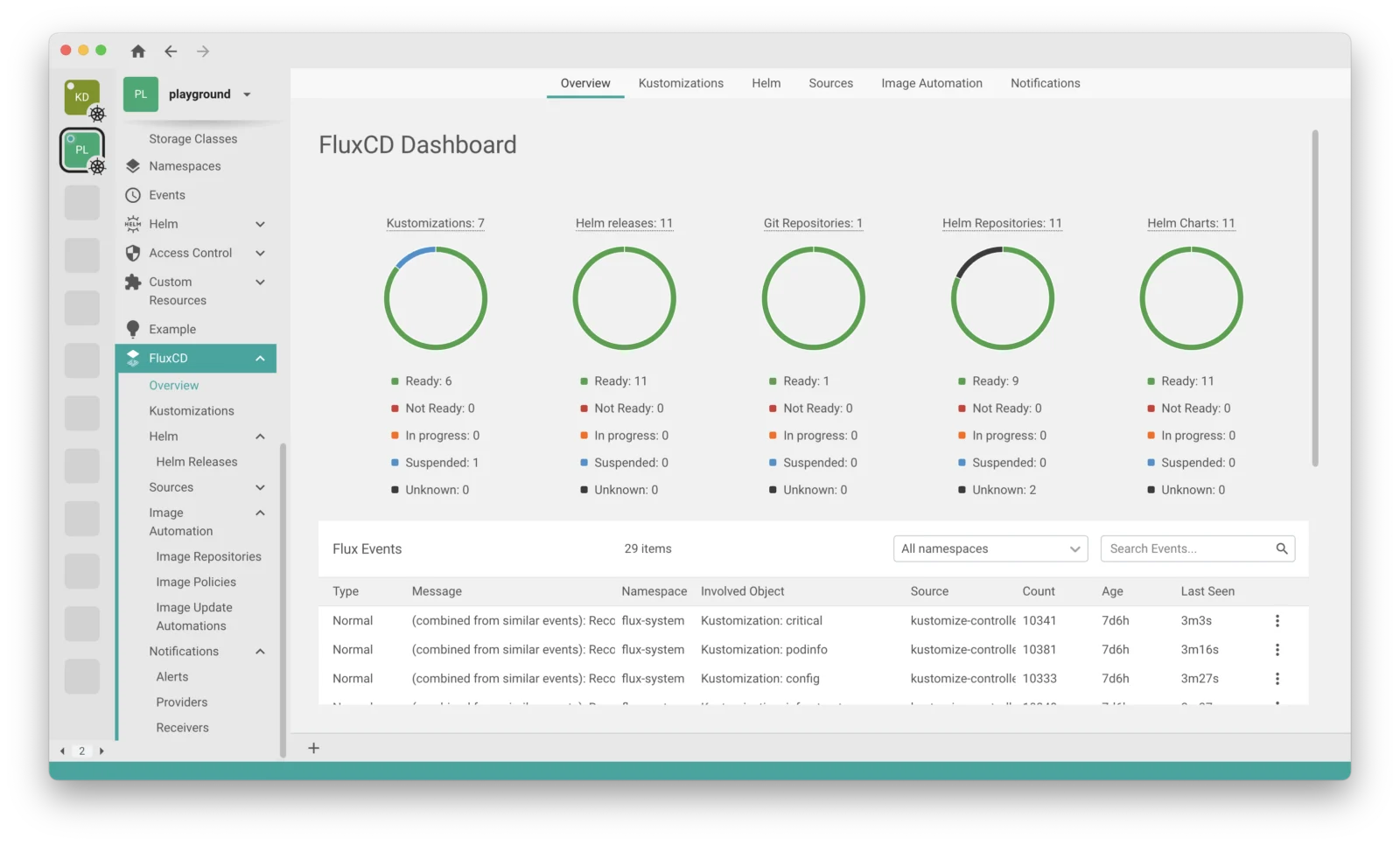
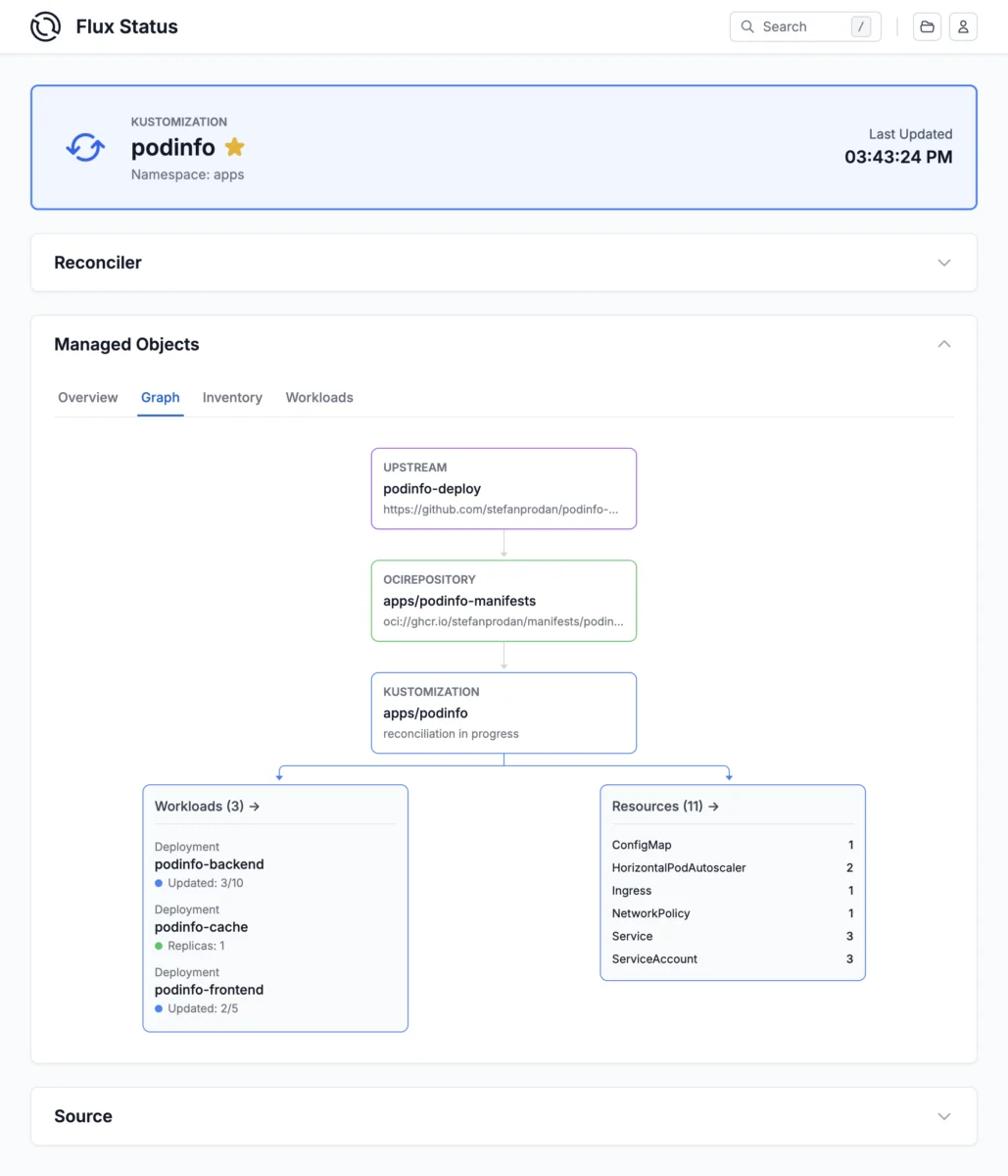
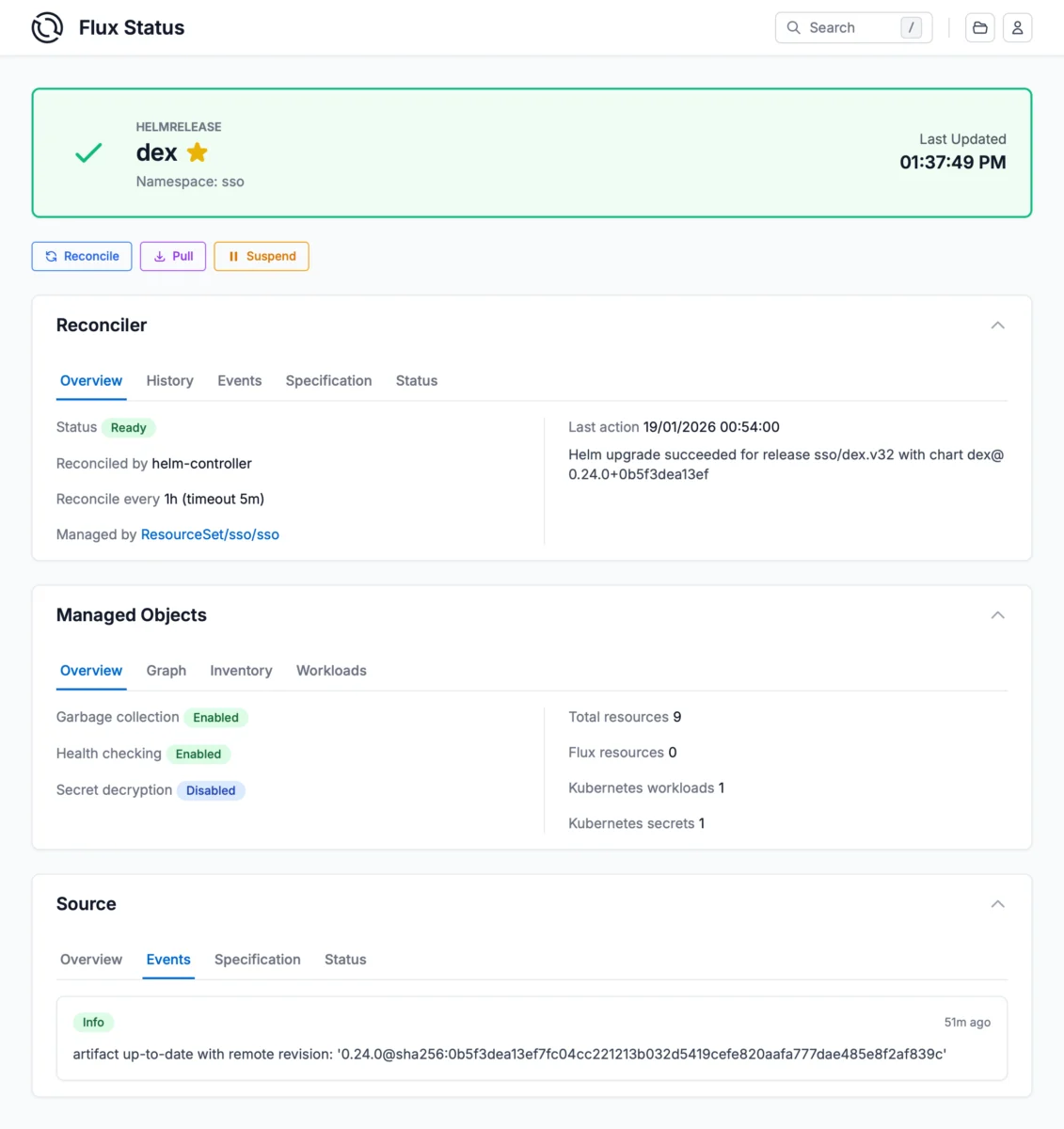
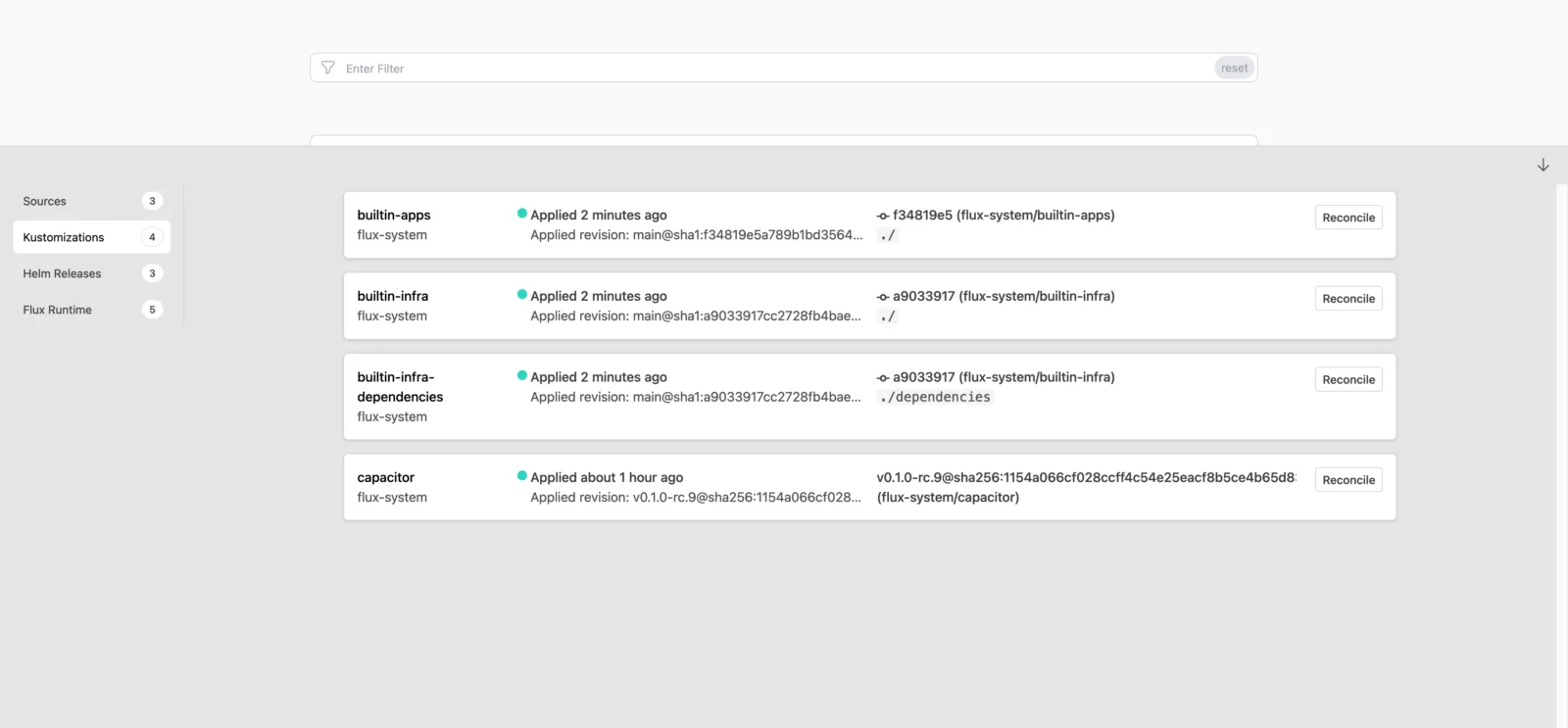
Flux does not provide a UI of its own.
Teams that need graphical application status or management must use command-line and Kubernetes tooling or select a separate Flux ecosystem UI.
Evidence source ↗
Flux CD is an open-source GitOps continuous delivery system that reconciles Kubernetes clusters with configuration stored in Git and other supported sources.
Official documentation verifies Kubernetes reconciliation, Helm and Kustomize support, image automation, notifications, and extensible APIs. The open-source license has no software charge, but teams operate the controllers and cluster themselves. No public review evidence was available to support a user-sentiment score.
This profile combines documented product information and independent evidence where available. It is not a hands-on test unless TechZella explicitly identifies one.
Flux CD is an open-source system for GitOps continuous delivery on Kubernetes. It runs controllers in a cluster and reconciles Kubernetes resources against declared configuration from Git and other supported sources.
Its API is built from Kubernetes custom resources, and the toolkit supports Kustomize and Helm workflows. Flux is self-hosted, so buyers operate its controllers and the Kubernetes infrastructure.
The core project does not include its own UI. Teams can use the CLI and Kubernetes tooling or evaluate separate products in the Flux ecosystem.
A quick way to understand who this product may suit, where its limits matter, and which facts are most relevant before you compare alternatives.
Teams that want pull-based, Git-sourced deployment and configuration reconciliation for Kubernetes, particularly where declarative APIs and in-cluster controllers suit their operating model.
Teams that require a project-provided graphical interface or managed hosting should assess other products or a separate Flux ecosystem service; the core Flux project does not provide its own UI, and should evaluate alternatives such as Argo CD or Rancher Fleet instead.
Cloud, Linux, macOS, Self-hosted, Windows
6.7/10
These are the product-specific differences that may matter when deciding whether the software fits your workflow. They are based on documented evidence rather than a universal ranking.
These are documented constraints or practical friction points that may matter before you adopt the product.
Teams that need graphical application status or management must use command-line and Kubernetes tooling or select a separate Flux ecosystem UI.
Evidence source ↗Installation may require coordination between platform administrators and Git hosting administrators, and credential scope should be reviewed.
Evidence source ↗Teams planning automated image scanning and Git updates must explicitly enable those components and configure registry access.
Evidence source ↗Organizations choosing chart-based installation should account for chart maintenance separately from the core Flux release process.
Evidence source ↗Flux is Apache-2.0-licensed software. Kubernetes hosting, Git hosting, implementation, and external commercial support are separate.
Check current pricing →Pricing may change. Verify current plans on the vendor's website.
Compare similar products directly, then see which alternatives may make more sense when your requirements differ.
| Decision factor | Flux CD | Argo CD | Rancher Fleet |
|---|---|---|---|
| Core scope | Kubernetes GitOps reconciliation through Flux controllers and custom resources. | Declarative GitOps continuous delivery tool for Kubernetes. Source ↗ | GitOps deployment management for one or many Kubernetes clusters, with a focus on fleet-scale management. Source ↗ |
| User interface | The core Flux project does not provide its own UI. | Argo CD provides a web UI, CLI, and API server. Source ↗ | Fleet continuous delivery can be accessed through Rancher UI. Source ↗ |
| Configuration sources | Supports Git and other sources, with Kustomize and Helm integration. | Supports Kustomize, Helm, OCI images, YAML, JSON, Jsonnet, and configured plugins. Source ↗ | Manages raw Kubernetes YAML, Helm charts, Kustomize, or combinations of them. Source ↗ |
| Pricing model | Apache-2.0-licensed open-source project; infrastructure and any external support are separate. | Apache-2.0-licensed open-source project; infrastructure and any external support are separate. Source ↗ | Apache-2.0-licensed open-source project; infrastructure and any external support are separate. Source ↗ |
Only factors supported by the available research are shown. The comparison is descriptive, not a ranking.
These products address broadly similar requirements. The descriptions focus on documented reasons a buyer might compare them with Flux CD.
| License | Apache-2.0 |
|---|---|
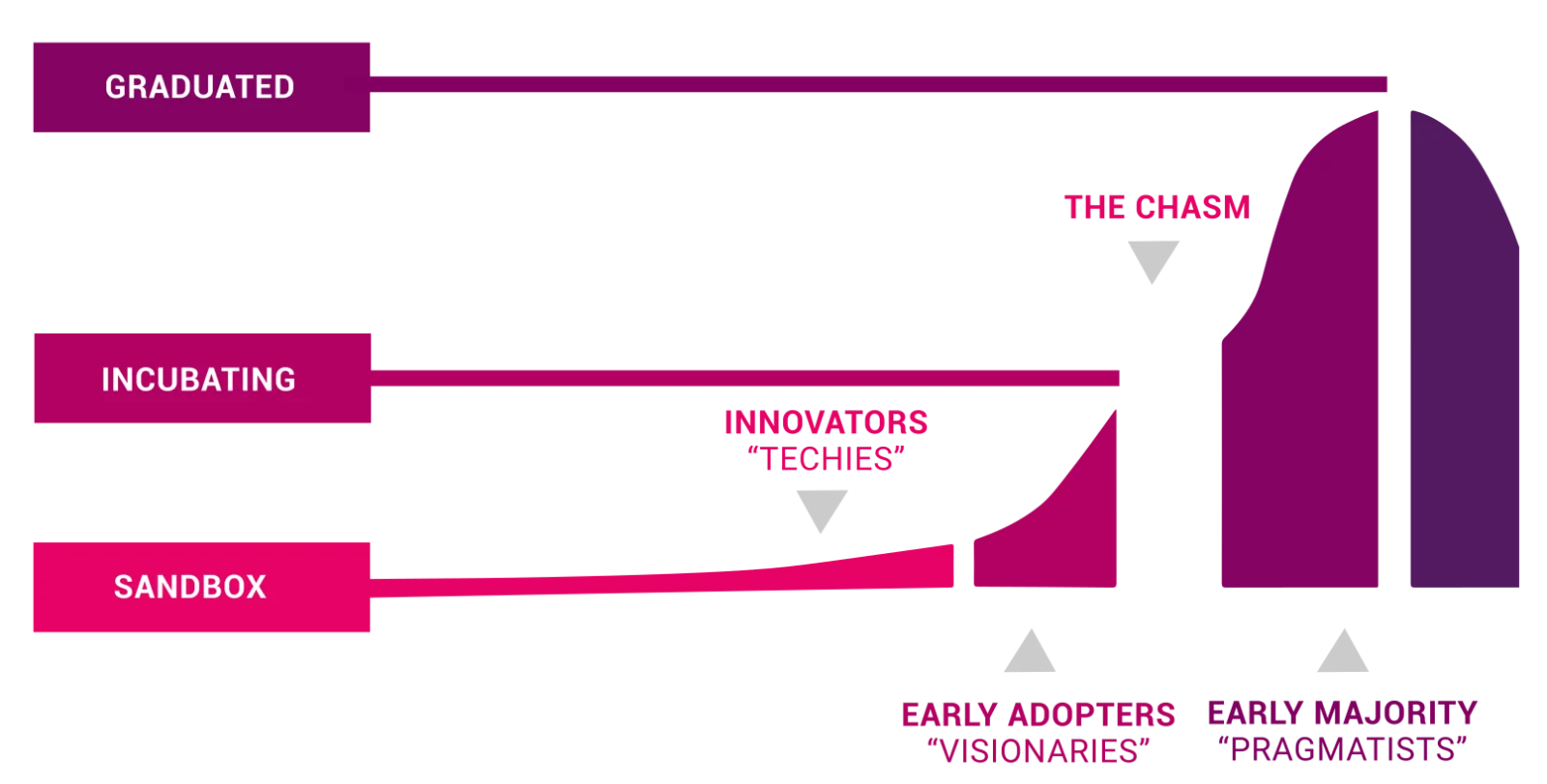
| Project foundation | CNCF graduated project |
| Deployment model | Self-hosted Kubernetes controllers |
| Configuration API | Kubernetes custom resources |
| Command-line platforms | macOS, Linux, Windows |
| Supported Git providers | GitHub, GitLab, Bitbucket, Azure DevOps, Gitea, and other Git servers |
| UI | No UI provided by the core Flux project |
| Latest release researched | Flux 2.10 GA, announced October 26, 2026 |
Verified installation, hosting, administration, or environment details that can affect implementation.
| Installation or hosting | Self-hosted Kubernetes controllers installed into a target cluster; the Flux CLI bootstraps and interacts with them. Source ↗ |
|---|---|
| Initial access requirements | The installer needs cluster-admin access; Git provider bootstrap also requires provider-specific repository permissions. Source ↗ |
| Configuration sources | Flux can reconcile configuration from Git, Helm repositories, and S3-compatible buckets, among other documented sources. Source ↗ |
Documented portability, standards, export, or switching considerations. No switching-cost score is shown unless the evidence supports one.
Flux provides migration documentation for Flux v1 automation to Flux v2; v1 is archived and has reached end of life.
Evidence source ↗A proprietary editorial score based on product capabilities, usability, value, performance, support and user sentiment evidence.
Official documentation verifies Kubernetes reconciliation, Helm and Kustomize support, image automation, notifications, and extensible APIs. The open-source license has no software charge, but teams operate the controllers and cluster themselves. No public review evidence was available to support a user-sentiment score.
Methodology v1.0. The assessment weighs feature coverage (25%), ease of use (15%), value for money (20%), performance (15%), support (10%) and user sentiment (15%), using researched product evidence and verified review evidence where available. It is a TechZella editorial assessment, not a direct user-review average.
Key claims are linked to the sources used to verify them. This evidence record is separate from third-party user ratings.
TechZella evaluates software using documented product capabilities, pricing information, usability and value considerations, independent user evidence where available, and competitive context. The assessment is an editorial review, not a hands-on test unless one is explicitly identified. Our editorial assessment is based on 6 documented sources.
The official documentation describes Flux as a Kubernetes configuration reconciliation and continuous delivery tool.
View source ↗Verified 2026-11-08The CNCF project page records its acceptance, incubation, and graduation milestones.
View source ↗Verified 2026-11-08The project documentation lists these sources and configuration tools as supported features.
View source ↗Verified 2026-11-08The official image automation guide describes that workflow and its configuration requirements.
View source ↗Verified 2026-11-08The GitOps Toolkit reference describes its APIs as Kubernetes custom resources and links component API references.
View source ↗Verified 2026-11-08The Flux 2 repository contains the Apache License, Version 2.0.
View source ↗Verified 2026-11-08The official release announcement describes the Flux v2.10 release and its changes.
View source ↗Verified 2026-11-08Answers begin with the clearest available response, followed by the context that helps you act on it.
No reviews yet. Be the first to share your experience.
Please log in to submit a review.