
Every deployment requires installed agents, network port configuration, health rules, and validated users.
Monitoring requires coordination with application and infrastructure teams, not just account activation.
Evidence source ↗AppDynamics is an application performance monitoring and observability platform that traces application transactions and monitors infrastructure, databases, and end-user experience.
Official materials document application, infrastructure, database, analytics, and end-user monitoring, plus SaaS and on-premises deployments. Public Gartner ratings are positive; pricing is metered and plan-specific, and implementation requires agents and environment configuration.
This profile combines documented product information and independent evidence where available. It is not a hands-on test unless TechZella explicitly identifies one.
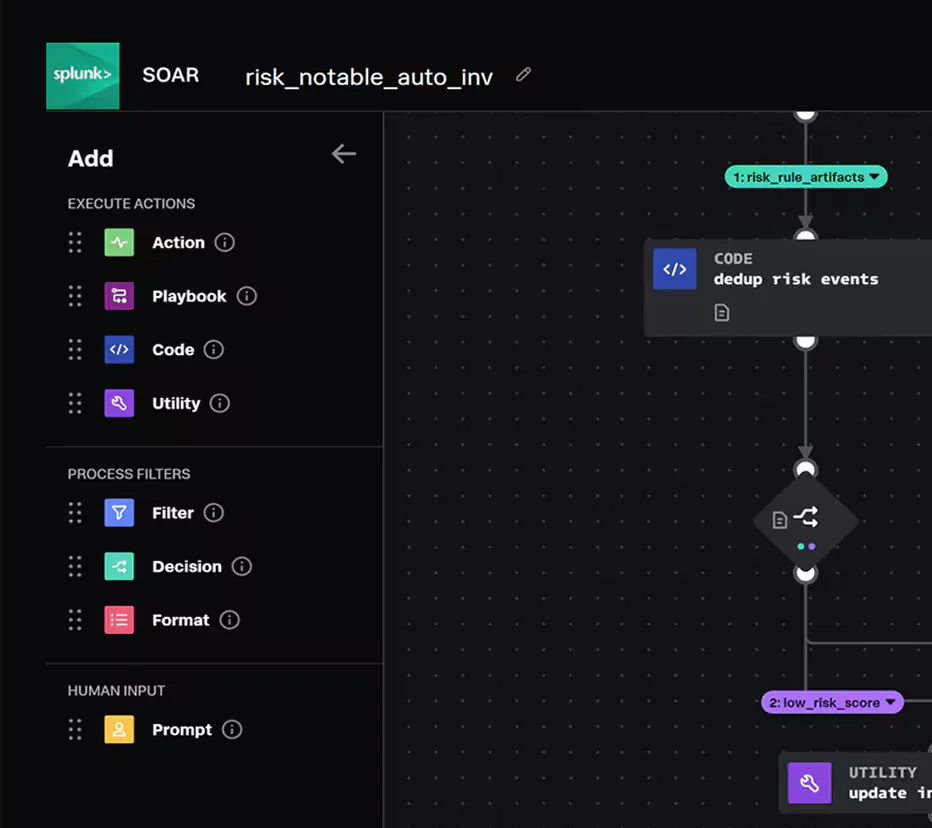
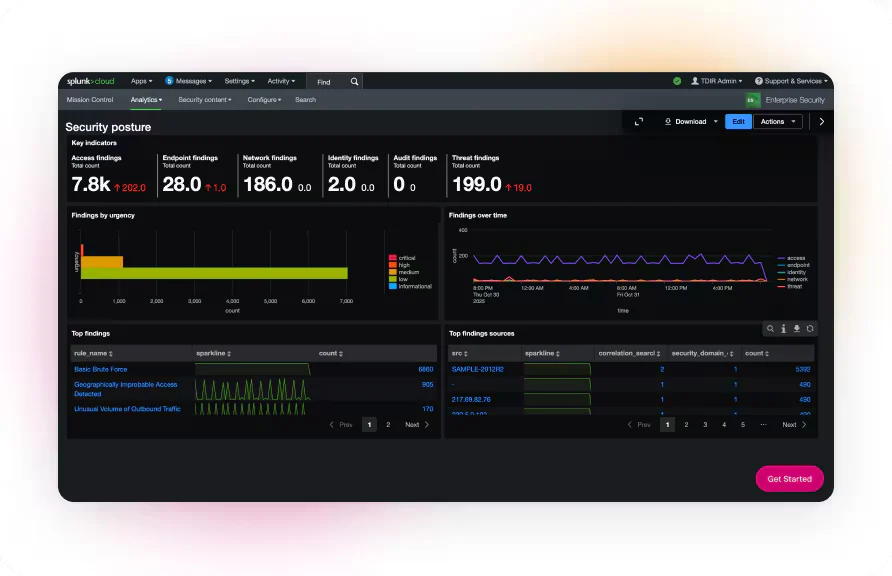
AppDynamics is an application performance monitoring and observability product now offered by Splunk, part of Cisco. It monitors application transactions and connects application performance with infrastructure, database, and end-user information.
Organizations can deploy the product as vendor-hosted SaaS or on premises. Both approaches require agents and environment configuration, so implementation involves application and infrastructure teams.
A quick way to understand who this product may suit, where its limits matter, and which facts are most relevant before you compare alternatives.
Organizations monitoring business-critical applications across distributed, hybrid, or on-premises environments, particularly where transaction-level diagnostics and infrastructure context are useful.
Buyers seeking a simple, publicly priced monitoring tool without agent installation, configuration, or usage-based licensing should compare alternatives carefully, and should evaluate alternatives such as Datadog instead.
AWS, Kubernetes, Microsoft Azure, On-premises, SaaS
7.7/10
These are the product-specific differences that may matter when deciding whether the software fits your workflow. They are based on documented evidence rather than a universal ranking.
These are documented constraints or practical friction points that may matter before you adopt the product.
Monitoring requires coordination with application and infrastructure teams, not just account activation.
Evidence source ↗Buyers should estimate telemetry volumes and retention needs before finalizing license requirements.
Evidence source ↗Splunk lists the edition starting at $6 per vCPU per month. Contact Splunk for a quote.
Check current pricing →Splunk lists the edition starting at $33 per host per month. Contact Splunk for a quote.
Check current pricing →Splunk lists the edition starting at $50 per host per month. Contact Splunk for a quote.
Check current pricing →Splunk lists a 30-day AppDynamics trial for evaluation.
Check current pricing →Pricing may change. Verify current plans on the vendor's website.
Compare similar products directly, then see which alternatives may make more sense when your requirements differ.
| Decision factor | AppDynamics | Datadog |
|---|---|---|
| Pricing model | Infrastructure Edition starts at $6 per vCPU per month billed annually; other editions use host-based pricing. | APM Pro starts at $35 per host per month billed annually; pricing also includes other usage-based units. Source ↗ |
| Deployment model | Documentation lists vendor-hosted SaaS and on-premises deployments. | The cited APM pricing page presents a hosted Datadog service and a free-trial option. Source ↗ |
| Monitoring scope | Product licensing lists application performance monitoring, infrastructure visibility, database monitoring, transaction analytics, and end-user monitoring packages. | The pricing page lists APM, infrastructure monitoring, database monitoring, and trace-related services. Source ↗ |
Only factors supported by the available research are shown. The comparison is descriptive, not a ranking.
These products address broadly similar requirements. The descriptions focus on documented reasons a buyer might compare them with AppDynamics.
| Deployment | SaaS and on-premises |
|---|---|
| API | Controller REST APIs |
| Trial | 30 days |
| Pricing units | Per vCPU or per host, depending on edition |
| Documented integration examples | Splunk, ServiceNow, Atlassian Jira |
| Agent requirement | Installed agents are required for monitored environments |
Verified installation, hosting, administration, or environment details that can affect implementation.
| Hosting | Available as vendor-hosted SaaS and as an on-premises deployment. Source ↗ |
|---|---|
| Instrumentation | Requires installed agents in monitored environments. Source ↗ |
A proprietary editorial score based on product capabilities, usability, value, performance, support and user sentiment evidence.
Official materials document application, infrastructure, database, analytics, and end-user monitoring, plus SaaS and on-premises deployments. Public Gartner ratings are positive; pricing is metered and plan-specific, and implementation requires agents and environment configuration.
Methodology v1.0. The assessment weighs feature coverage (25%), ease of use (15%), value for money (20%), performance (15%), support (10%) and user sentiment (15%), using researched product evidence and verified review evidence where available. It is a TechZella editorial assessment, not a direct user-review average.
Key claims are linked to the sources used to verify them. This evidence record is separate from third-party user ratings.
TechZella evaluates software using documented product capabilities, pricing information, usability and value considerations, independent user evidence where available, and competitive context. The assessment is an editorial review, not a hands-on test unless one is explicitly identified. Our editorial assessment is based on 6 documented sources.
Cisco announced completion of its AppDynamics acquisition on March 22, 2017.
View source ↗Verified 2026-09-19Product documentation describes hosted SaaS and on-premises options.
View source ↗Verified 2026-09-19The Controller API documentation lists these API groups and describes the Controller REST URI.
View source ↗Verified 2026-09-19Splunk's trials page lists a 30-day AppDynamics trial and says trials are free for evaluation.
View source ↗Verified 2026-09-19The Splunk pricing page displays the Infrastructure Edition starting price and billing unit.
View source ↗Verified 2026-09-19The Integration Modules page lists built-in integrations and links to related setup documentation.
View source ↗Verified 2026-09-19Yes. Splunk lists a 30-day AppDynamics trial.
Yes. Its documentation describes both SaaS and on-premises deployments.
Yes. The Controller provides REST APIs for application, metrics, alerts, configuration, and analytics operations.
Its integration documentation lists modules for Atlassian Jira and ServiceNow, as well as Splunk.
Splunk lists Infrastructure Edition from $6 per vCPU per month, billed annually. Other editions use different pricing units, including host-based pricing.
No reviews yet. Be the first to share your experience.
Please log in to submit a review.