
Kubernetes is mandatory for the platform deployment.
Organizations need suitable cluster operations skills and supporting infrastructure, or must evaluate a managed deployment.
Evidence source ↗
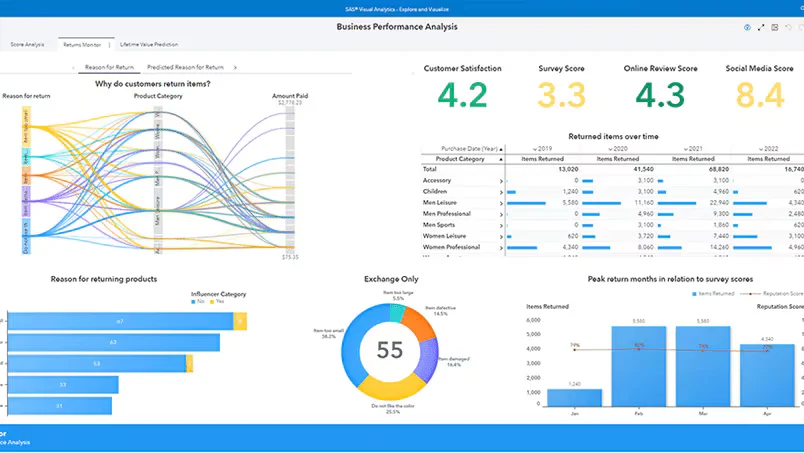
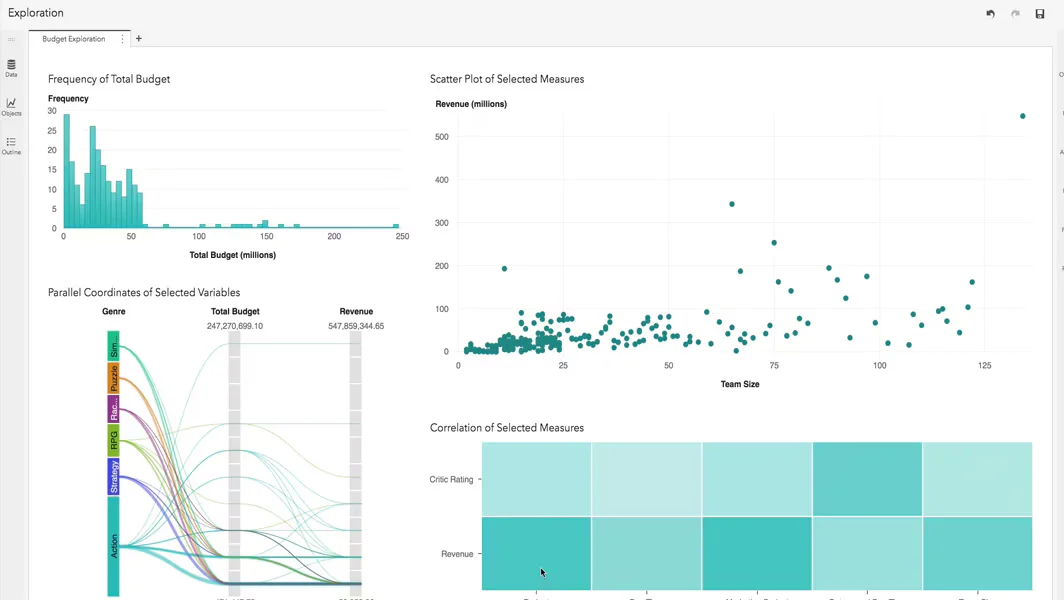
SAS Viya is a data and AI platform for preparing data, developing and governing models, analyzing results, and operationalizing decisions.
The platform combines data management, analytics, machine learning, visualization, and model operations. G2's displayed review summary praises analytics and language integration while noting a learning curve. Public list pricing was not found.
This profile combines documented product information and independent evidence where available. It is not a hands-on test unless TechZella explicitly identifies one.
SAS Viya is SAS Institute’s data and AI platform for data preparation, analytics, machine learning, visualization, and model operations. Its offerings span visual and programmatic work, with package-specific differences in forecasting, text analytics, optimization, and decision management.
Organizations can choose cloud, hybrid, or on-premises deployment. The platform runs on Kubernetes, so buyers should account for cluster administration and infrastructure needs when comparing deployment options.
A quick way to understand who this product may suit, where its limits matter, and which facts are most relevant before you compare alternatives.
Organizations needing an integrated environment for data management, statistical analysis, machine learning, visualization, and model lifecycle workflows, particularly in risk-sensitive sectors.
Small teams seeking a low-cost, self-service analytics subscription or organizations without Kubernetes and platform administration capacity may find the quote-based licensing and deployment demands difficult to assess, and should evaluate alternatives such as Databricks Data + AI Platform instead.
AWS, Azure, Cloud, Google Cloud, On-premises
7.9/10
These are the product-specific differences that may matter when deciding whether the software fits your workflow. They are based on documented evidence rather than a universal ranking.
These are documented constraints or practical friction points that may matter before you adopt the product.
Organizations need suitable cluster operations skills and supporting infrastructure, or must evaluate a managed deployment.
Evidence source ↗Teams should plan for language runtime installation, persistent storage, and configuration work before relying on integrated open-source workflows.
Evidence source ↗Buyers need a tailored quote to compare licensing and deployment costs against their expected usage.
Evidence source ↗SAS lists SAS Viya, SAS Viya Advanced, SAS Viya Enterprise, and SAS Viya Programming with different capability bundles. Public list prices are not shown on the buying page.
Check current pricing →SAS advertises a 14-day trial for businesses and organizations. Trial environment and access terms should be confirmed during sign-up.
Check current pricing →Pricing may change. Verify current plans on the vendor's website.
Compare similar products directly, then see which alternatives may make more sense when your requirements differ.
| Decision factor | SAS Viya | Databricks Data + AI Platform |
|---|---|---|
| Core scope | SAS Viya offerings combine data management, analytics, machine learning, visualization, and model management, with selected packages adding forecasting, decisioning, or streaming. | Databricks presents a unified data, analytics, and AI platform with products for data engineering, warehousing, interactive workloads, and AI. Source ↗ |
| Deployment model | SAS lists cloud, hybrid, and on-premises options, including managed and self-managed cloud arrangements. | Databricks describes its platform across cloud providers, with product pricing and billing varying by cloud and service. Source ↗ |
| Pricing model | SAS directs buyers to request a quote for SAS Viya offerings. | Databricks lists pay-as-you-go pricing by service and usage, with committed-use contract options. Source ↗ |
Only factors supported by the available research are shown. The comparison is descriptive, not a ranking.
These products address broadly similar requirements. The descriptions focus on documented reasons a buyer might compare them with SAS Viya.



| Deployment | Cloud, hybrid, on-premises; managed and self-managed cloud options |
|---|---|
| Platform architecture | Kubernetes-based |
| Supported cloud Kubernetes services | Amazon EKS, Azure Kubernetes Service, Google Kubernetes Engine |
| Programming | SAS; Python and R integrations require configuration |
| API | SAS Viya REST APIs |
| Trial | 14 days for businesses and organizations |
| Pricing | Quote-based for listed SAS Viya offerings |
| Selected data integrations | Snowflake, Databricks, Google BigQuery, Amazon Redshift, Oracle, Teradata, MongoDB |
Verified installation, hosting, administration, or environment details that can affect implementation.
| Hosting and deployment | Cloud, hybrid, and on-premises options are listed. SAS documents managed and self-managed cloud deployment; platform installations run on Kubernetes. Source ↗ |
|---|---|
| Supported Kubernetes environments | SAS lists Amazon EKS, Microsoft Azure Kubernetes Service, and Google Kubernetes Engine among supported public cloud environments. Source ↗ |
Documented portability, standards, export, or switching considerations. No switching-cost score is shown unless the evidence supports one.
SAS provides resources and guidance for planning a move from SAS 9 to Viya; the public buying page does not specify a universal migration duration or conversion coverage.
Evidence source ↗A proprietary editorial score based on product capabilities, usability, value, performance, support and user sentiment evidence.
The platform combines data management, analytics, machine learning, visualization, and model operations. G2's displayed review summary praises analytics and language integration while noting a learning curve. Public list pricing was not found.
Methodology v1.0. The assessment weighs feature coverage (25%), ease of use (15%), value for money (20%), performance (15%), support (10%) and user sentiment (15%), using researched product evidence and verified review evidence where available. It is a TechZella editorial assessment, not a direct user-review average.
Key claims are linked to the sources used to verify them. This evidence record is separate from third-party user ratings.
TechZella evaluates software using documented product capabilities, pricing information, usability and value considerations, independent user evidence where available, and competitive context. The assessment is an editorial review, not a hands-on test unless one is explicitly identified. Our editorial assessment is based on 6 documented sources.
SAS support material lists SAS Viya 3.0 in its release history as May 2016.
View source ↗Verified 2026-11-10SAS's buying page describes all three deployment environments and separately describes managed and self-managed cloud arrangements.
View source ↗Verified 2026-11-10SAS's comparison matrix distinguishes four offerings and identifies differences for forecasting, text analytics, optimization, model management, decision building, and streaming.
View source ↗Verified 2026-11-10SAS's platform introduction identifies Kubernetes as mandatory and lists supported public cloud Kubernetes environments.
View source ↗Verified 2026-11-10The SAS developer portal lists REST APIs, and the programming portal describes CAS access through SAS, Python, R, Lua, and REST.
View source ↗Verified 2026-11-10SAS's trial page states that businesses and organizations can access a free 14-day trial.
View source ↗Verified 2026-11-10SAS Data Hub documentation lists Snowflake, Databricks, BigQuery, Amazon Redshift, Oracle, Teradata, and MongoDB among supported platforms.
View source ↗Verified 2026-11-10Answers below are based on SAS product, documentation, and pricing pages. Buyers should confirm current plan inclusions and commercial terms with SAS.
No reviews yet. Be the first to share your experience.
Please log in to submit a review.