Editorial overview
Aggregated Overview
Salesforce documents broad CRM, automation, analytics, customization, and integration capabilities. G2 review summaries praise feature breadth and customization while noting learning curve and cost concerns. Scores are editorial assessments, not hands-on test results.
This profile combines documented product information and independent evidence where available. It is not a hands-on test unless TechZella explicitly identifies one.
Decision guideSalesforce Decision Snapshot
A quick way to understand who this product may suit, where its limits matter, and which facts are most relevant before you compare alternatives.
Best suited toOrganizations coordinating customer data and workflows across sales, service, marketing, commerce, and connected business systems, especially when they need configurable processes and API access.
Look elsewhere ifSmall teams seeking a minimal CRM may find the product range and configuration options more than they need; paid editions and add-ons require careful scope and cost review, and should evaluate alternatives such as HubSpot Sales Hub or Microsoft Dynamics 365 Sales instead.
PlatformsAndroid, iOS, REST API, SaaS, Web
TechZella assessment7.8/10
Overview
Salesforce is a portfolio of cloud business applications built around customer relationship management. Its products cover sales, service, marketing, commerce, analytics, integration, collaboration, and custom application development.
Salesforce apps share a platform and metadata framework. Buyers can start with a suite or product and add capabilities as their processes and requirements expand.
Salesforce — What Sets It Apart?
These are the product-specific differences that may matter when deciding whether the software fits your workflow. They are based on documented evidence rather than a universal ranking.
- Multiple Salesforce applications share a platform and metadata framework, allowing custom objects and configurations to be reused across connected apps.
- The platform offers distinct APIs for record operations, bulk processing, metadata, GraphQL queries, and event-driven integration.
- AgentExchange and AppExchange provide marketplaces for external applications and partner-built extensions.
7 key claims verifiedOur editorial team checked this profile against vendor documentation, pricing information, product documentation. Supported by 5 documented sources.
Editorial assessmentSalesforce Pros & Cons
Pros
- Broad set of CRM products for sales, service, marketing, and commerce workflows.
- Configurable data models, automation, reporting, and developer APIs.
- Marketplace and integration options include AppExchange, AgentExchange, and MuleSoft.
- Provides a permanent Free CRM tier for up to two users and a 30-day Sales Cloud trial.
- Native mobile applications are available for supported iOS and Android devices.
Cons
- G2 review summaries identify learning curve and expense among recurring concerns.
- Pricing and included capabilities vary by product, edition, and add-on.
- Mobile functionality is not identical to desktop Lightning Experience.
- Several higher Sales Cloud editions are billed annually.
Salesforce Gotchas & Operational Limits
These are documented constraints or practical friction points that may matter before you adopt the product.
The mobile app has feature differences from desktop Lightning Experience, and minimum operating-system requirements can change.
Mobile workflows should be checked against the app’s documented feature gaps and the organization’s device fleet before rollout.
Evidence source ↗Not every AI capability is included across all Salesforce apps or editions.
Buyers should confirm which AI products, credits, and add-ons their use case requires before estimating subscription costs.
Evidence source ↗Salesforce Pricing & Plans
Free CRM
$0
no time limit
Permanent free tier for up to two users with core sales, service, and email marketing capabilities.
Check current pricing →Sales Cloud free trial
$0
30 days
Sales Cloud trial; Salesforce states that no credit card or installation is required.
Check current pricing →Starter Suite
$25/user/month
month or annual
Sales, service, marketing, and commerce CRM suite with lead, account, contact, and opportunity management. Price page lists monthly or annual billing.
Check current pricing →Pro Suite
$100/user/month
annual
Adds more customization and automation, sales quoting, forecasting, AgentExchange access, and optional Premier Support.
Check current pricing →Core
$195/user/month
annual
Includes the listed Core package with Slack Business+ and Tableau Next.
Check current pricing →Advanced
$395/user/month
annual
Adds enhanced security, more AI, expanded data capacity, Sales Programs, and listed backup and security products.
Check current pricing →Max
$550/user/month
annual
Includes listed Agentforce products, Salesforce Spiff, Sales Planning, Sales Programs, Salesforce Maps, Tableau Next, Slack Enterprise+, and annual Flex Credits.
Check current pricing →Pricing may change. Verify current plans on the vendor's website.
Cost contextTotal Cost & Hidden Costs
Additional costs or implementation requirements that are documented in the available evidence.
AI and product add-ons
Salesforce states that some Agentforce and generative AI capabilities require product-specific add-ons; edition and package selection affects included functionality.
Evidence source ↗Annual user subscriptions
Sales Cloud Core, Advanced, and Max prices are published per user per month with annual billing; Salesforce notes prices may change and directs buyers to sales for detailed pricing.
Evidence source ↗Salesforce Features
CRM and Sales
- Lead, account, contact, and opportunity management
- Pipeline management and forecasting
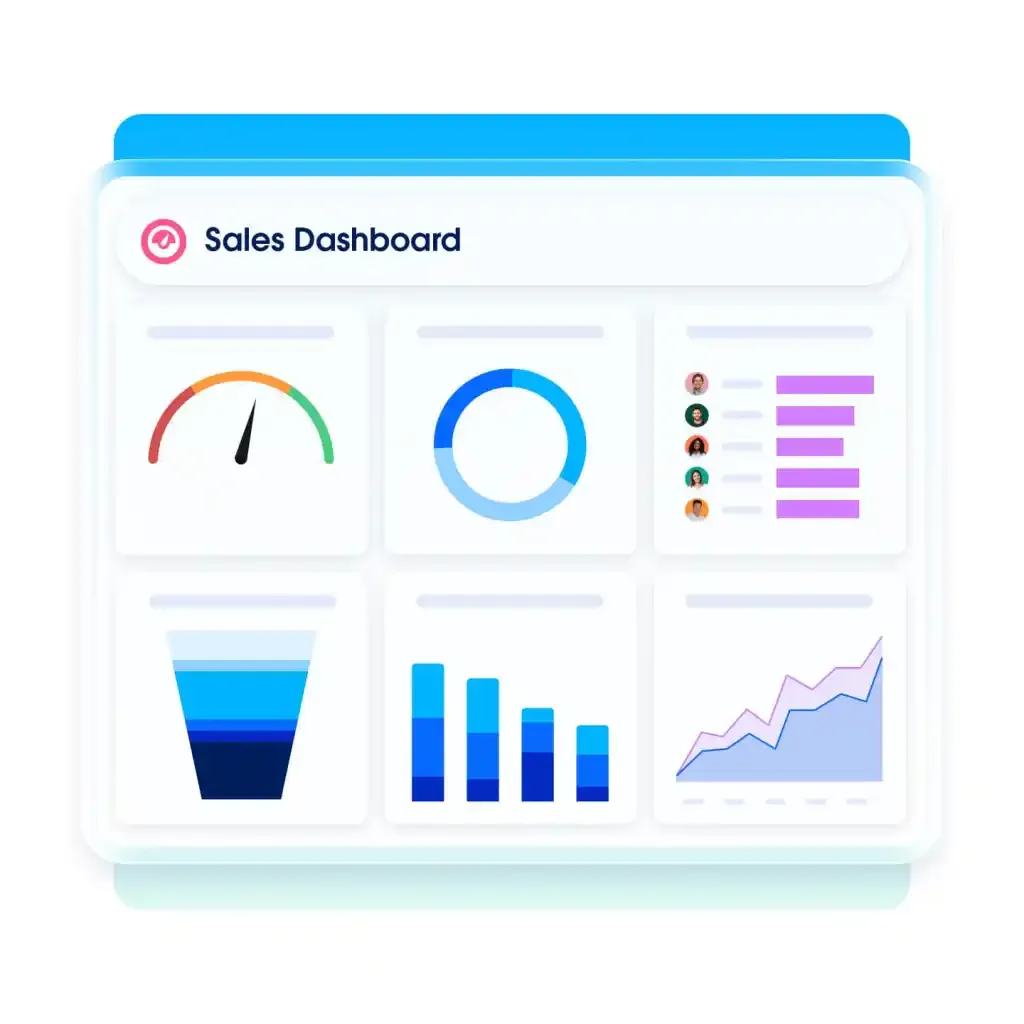
- Sales reporting and dashboards
- Quoting and contract approval workflows
Customer and Marketing Workflows
- Service case management through Service Cloud
- Marketing Cloud campaign and customer journey tools
- Commerce Cloud storefront and order workflows
- Cross-application customer data and processes
Automation, Data, and AI
- Flow-based workflow automation
- Custom objects and configurable metadata
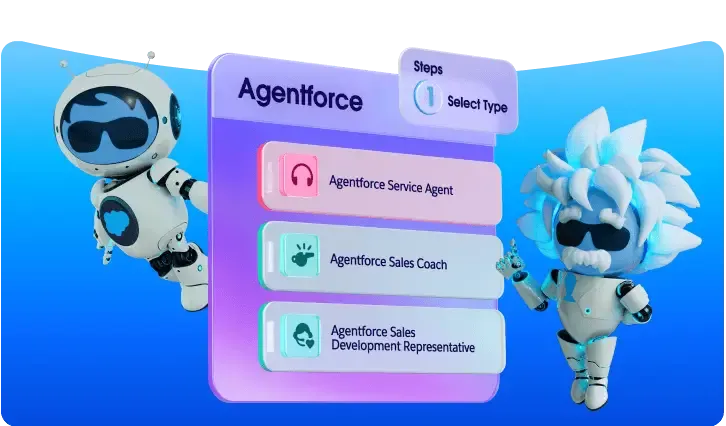
- Agentforce and Einstein capabilities, subject to product and plan availability
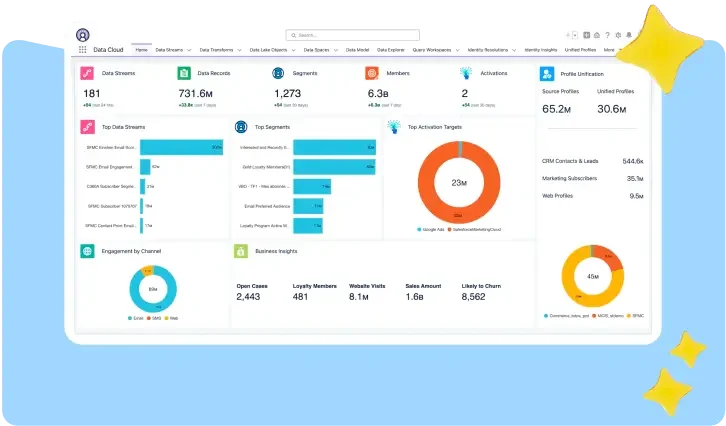
- Analytics through Tableau
Integration and Development
- REST API and SOAP API
- Bulk API 2.0 for large data operations
- GraphQL API and Pub/Sub API
- MuleSoft integration capabilities
- AppExchange and AgentExchange marketplace extensions
Mobile
- Salesforce mobile app for iOS
- Salesforce mobile app for Android
- Access to records and selected workflows on mobile
- Offline viewing and editing of recently accessed records, as documented by Salesforce
Alternatives
HubSpot Sales Hub and Microsoft Dynamics 365 Sales are comparable CRM and sales platforms listed alongside Salesforce in G2 comparisons. Compare the products against required workflows, edition boundaries, integrations, customization needs, and total subscription costs before choosing.
Salesforce Specifications
| Deployment | Cloud-based SaaS |
|---|
| Web access | Available through a web browser |
|---|
| Mobile apps | iOS and Android; mobile requirements and feature availability vary |
|---|
| API | REST, SOAP, Bulk API 2.0, GraphQL, Pub/Sub, and additional product APIs |
|---|
| Integration ecosystem | MuleSoft, AppExchange, AgentExchange, Salesforce products, and partner integrations |
|---|
| Free CRM user limit | Up to 2 users |
|---|
| Sales Cloud trial | 30 days |
|---|
| Sales Cloud billing | Per user per month; billing cadence depends on edition |
|---|
| Company founded | 1999 |
|---|
Our evidence-based assessmentTechZella Score
A proprietary editorial score based on product capabilities, usability, value, performance, support and user sentiment evidence.
7.8/10Moderate confidence
Salesforce documents broad CRM, automation, analytics, customization, and integration capabilities. G2 review summaries praise feature breadth and customization while noting learning curve and cost concerns. Scores are editorial assessments, not hands-on test results.
Methodology v1.0. The assessment weighs feature coverage (25%), ease of use (15%), value for money (20%), performance (15%), support (10%) and user sentiment (15%), using researched product evidence and verified review evidence where available. It is a TechZella editorial assessment, not a direct user-review average.
Editorial transparency
Our Review Methodology
Key claims are linked to the sources used to verify them. This evidence record is separate from third-party user ratings.
TechZella evaluates software using documented product capabilities, pricing information, usability and value considerations, independent user evidence where available, and competitive context. The assessment is an editorial review, not a hands-on test unless one is explicitly identified. Our editorial assessment is based on 5 documented sources.
What TechZella adds- Multiple Salesforce applications share a platform and metadata framework, allowing custom objects and configurations to be reused across connected apps.
- The platform offers distinct APIs for record operations, bulk processing, metadata, GraphQL queries, and event-driven integration.
- AgentExchange and AppExchange provide marketplaces for external applications and partner-built extensions.
Important limitations- Salesforce’s broad configuration options can create a substantial learning curve for new users, according to G2 review themes.
- Higher Sales Cloud editions are priced per user and billed annually; some AI and other capabilities require product-specific add-ons or higher editions.
- The mobile app does not include every capability available in the desktop Lightning Experience.
Evidence-backed claimsSalesforce provides CRM applications across sales, service, marketing, commerce, analytics, integration, and platform development.The product portfolio page lists Sales Cloud, Service Cloud, Marketing Cloud, Commerce Cloud, Tableau, MuleSoft, and Salesforce Platform.
View source ↗Verified 2026-10-12Sales Cloud Starter Suite costs $25 per user per month, while Pro Suite costs $100 per user per month.The official Sales Cloud page lists Starter at $25 with monthly or annual billing and Pro Suite at $100 billed annually.
View source ↗Verified 2026-10-12Sales Cloud Core, Advanced, and Max are listed at $195, $395, and $550 per user per month, respectively.The official Sales Cloud pricing page lists these prices as billed annually and describes different included product bundles.
View source ↗Verified 2026-10-12Salesforce offers a permanent Free CRM for up to two users.The official Free CRM FAQ says the tier has no time limit and includes core sales, service, and email marketing capabilities.
View source ↗Verified 2026-10-12Salesforce supports multiple data and integration APIs, including REST, SOAP, Bulk API 2.0, GraphQL, and Pub/Sub.Salesforce Help catalogs these APIs and describes common use cases, including record operations, bulk processing, and event streaming.
View source ↗Verified 2026-10-12Salesforce was founded in 1999 and lists its worldwide headquarters in San Francisco.Salesforce Careers says the company was founded in 1999; the FY2025 annual report gives the Salesforce Tower headquarters address.
View source ↗Verified 2026-10-12Salesforce CRM free trials are available for 30 days on specified product offers.The official Sales Cloud page offers a 30-day trial without a credit card, and the CRM Foundations page also describes a 30-day CRM trial.
View source ↗Verified 2026-10-12 Independent review sources
Salesforce Ratings & Reviews
Ratings are published by the respective review platforms and may change over time.
Community feedback
Reviews
No reviews yet. Be the first to share your experience.
Write a Review
Please log in to submit a review.
FAQ
Does Salesforce have a free option? Salesforce lists a permanent Free CRM tier for up to two users, with core sales, service, and email marketing features.
Is there a free trial? Salesforce advertises a 30-day Sales Cloud trial without a credit card.
Which platforms does Salesforce support? Salesforce is cloud-based and provides web access plus mobile apps for supported iOS and Android devices. The mobile app does not include every desktop feature.
Does Salesforce provide APIs? Salesforce documents REST, SOAP, Bulk API 2.0, GraphQL, and Pub/Sub APIs. Available API access can depend on the product edition.
What integrations are available? Salesforce supports integrations through MuleSoft, AppExchange and AgentExchange, and connected partner products. Its portfolio also includes Slack and other Salesforce products.
What Has Changed
This history records material data changes detected when TechZella re-researched the profile.
2026-10-12Research update changed: Pricing, Features, Specifications, Alternatives, Competitors, Trusted ratings, Description.
Recently added software