
Chef Infra Server is scheduled to reach end of life on November 30, 2026.
Organizations using the legacy server should assess the published Chef 360 transition and migration options before the lifecycle date.
Evidence source ↗
Chef is Progress’s infrastructure automation platform for configuration management, operational workflows, and compliance across cloud and on-premises environments.
Official documentation describes configuration management, compliance, workflow orchestration, and broad operating-system support. Public review evidence was not reliably available for analysis, so scores reflect documented capabilities rather than reviewer consensus or hands-on testing.
This profile combines documented product information and independent evidence where available. It is not a hands-on test unless TechZella explicitly identifies one.
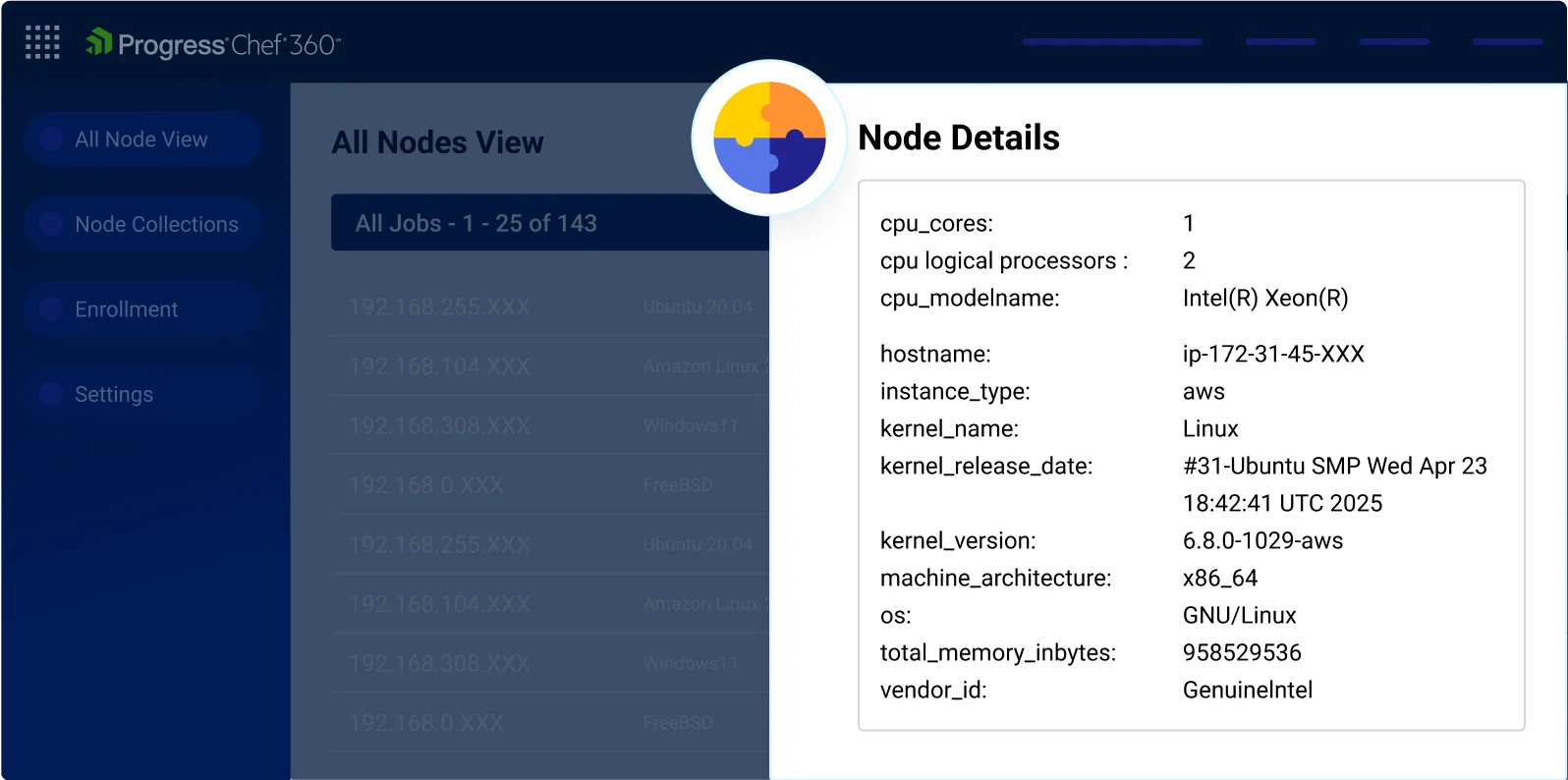
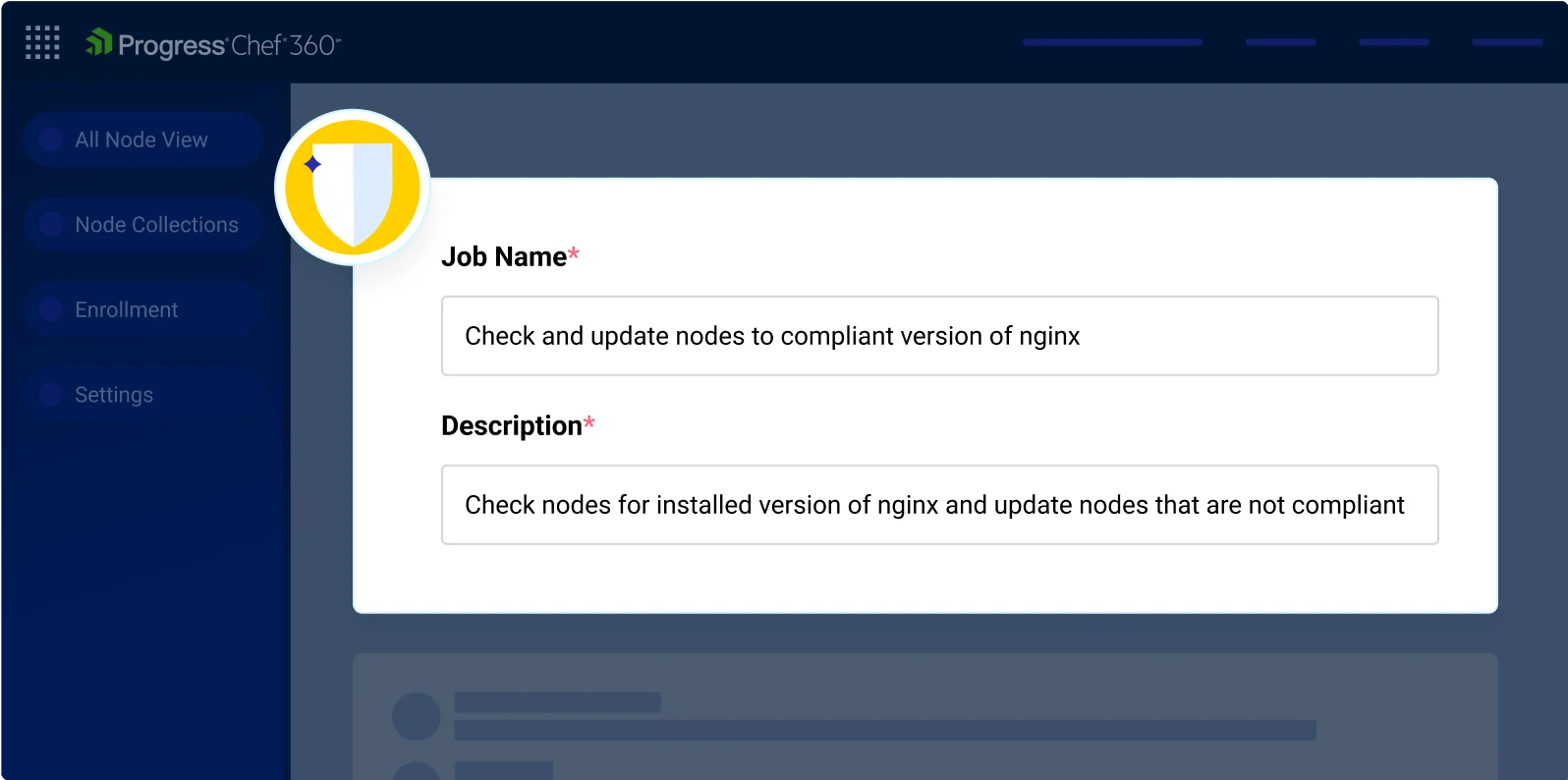
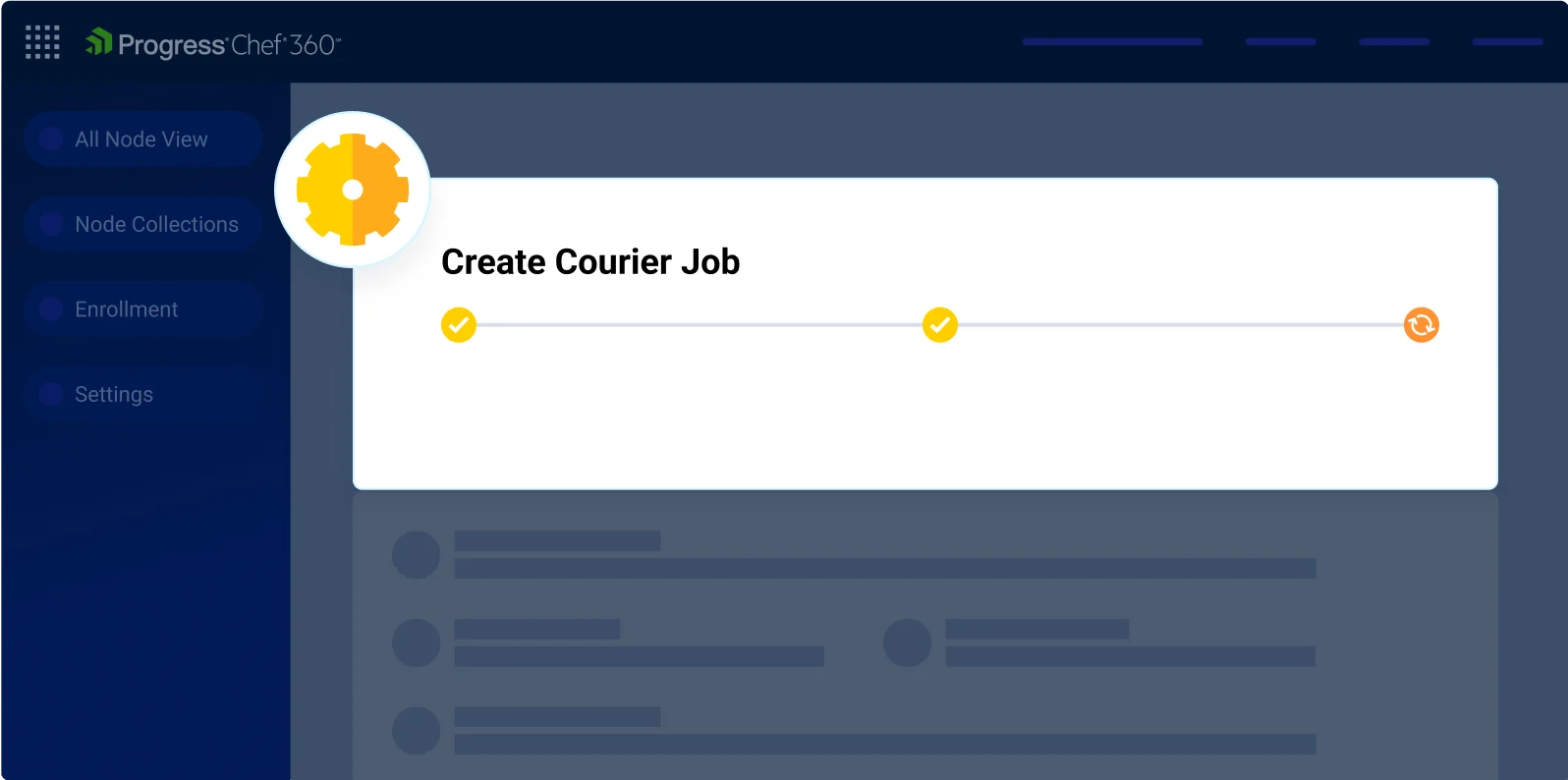
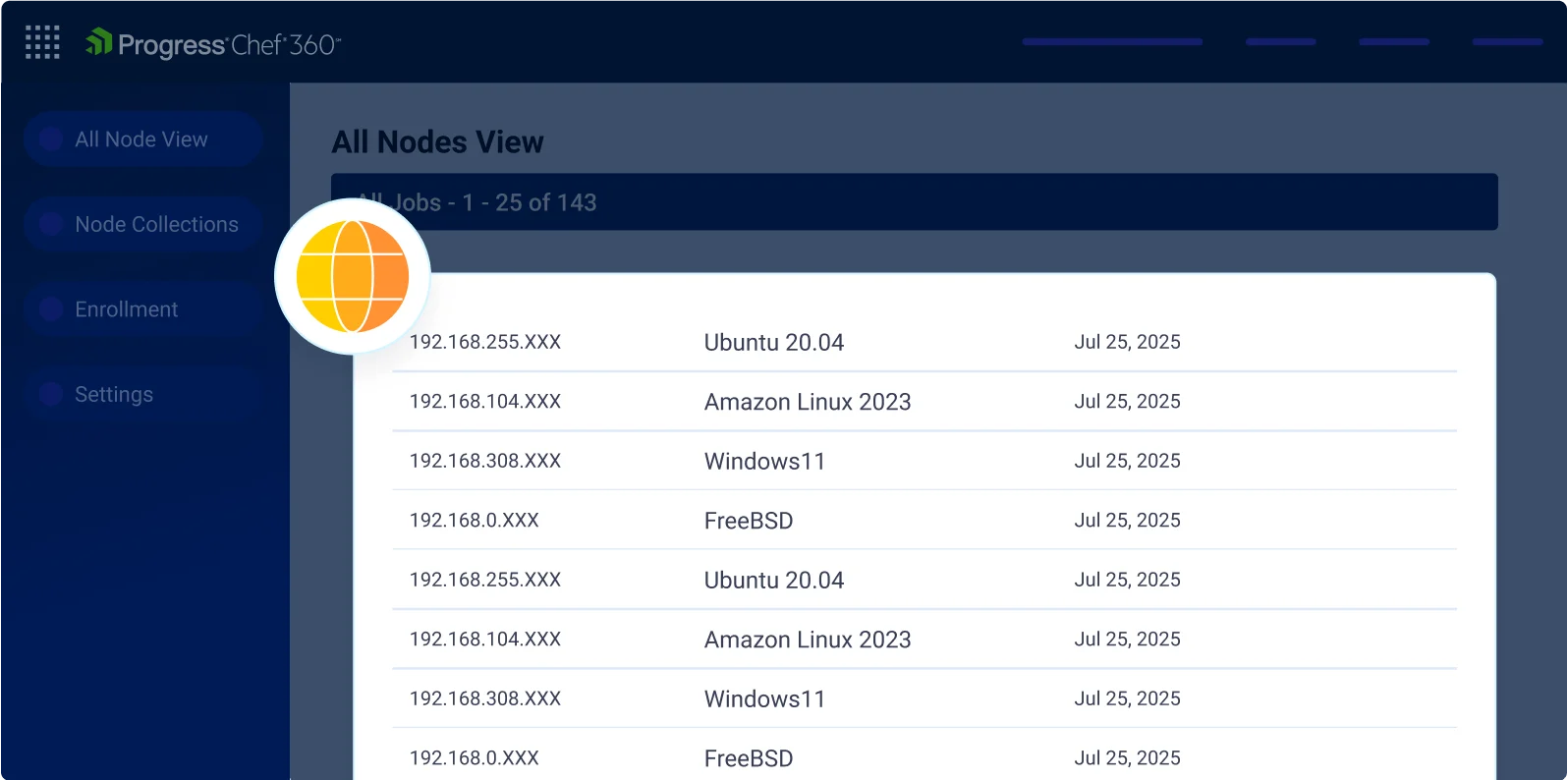
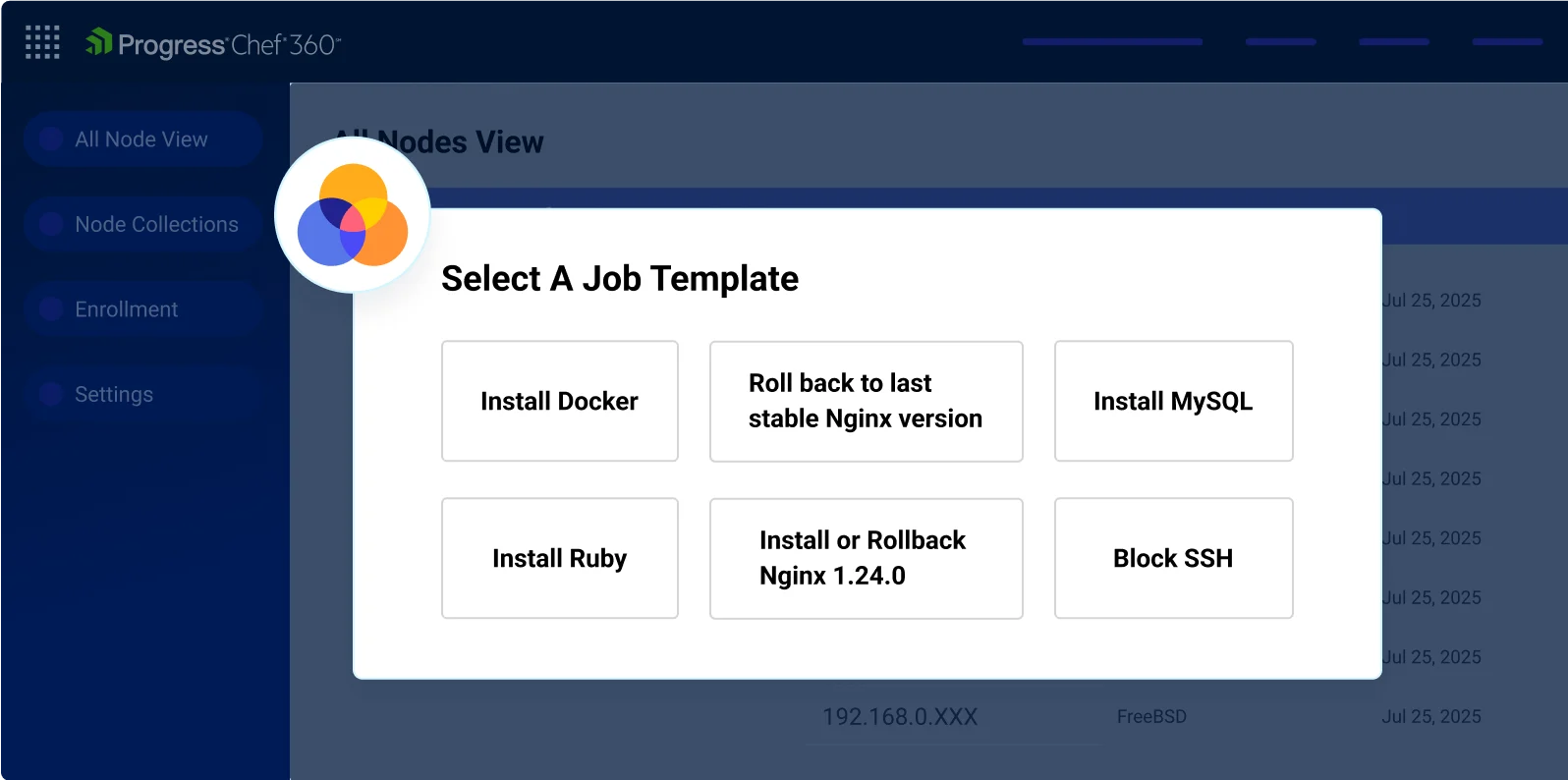
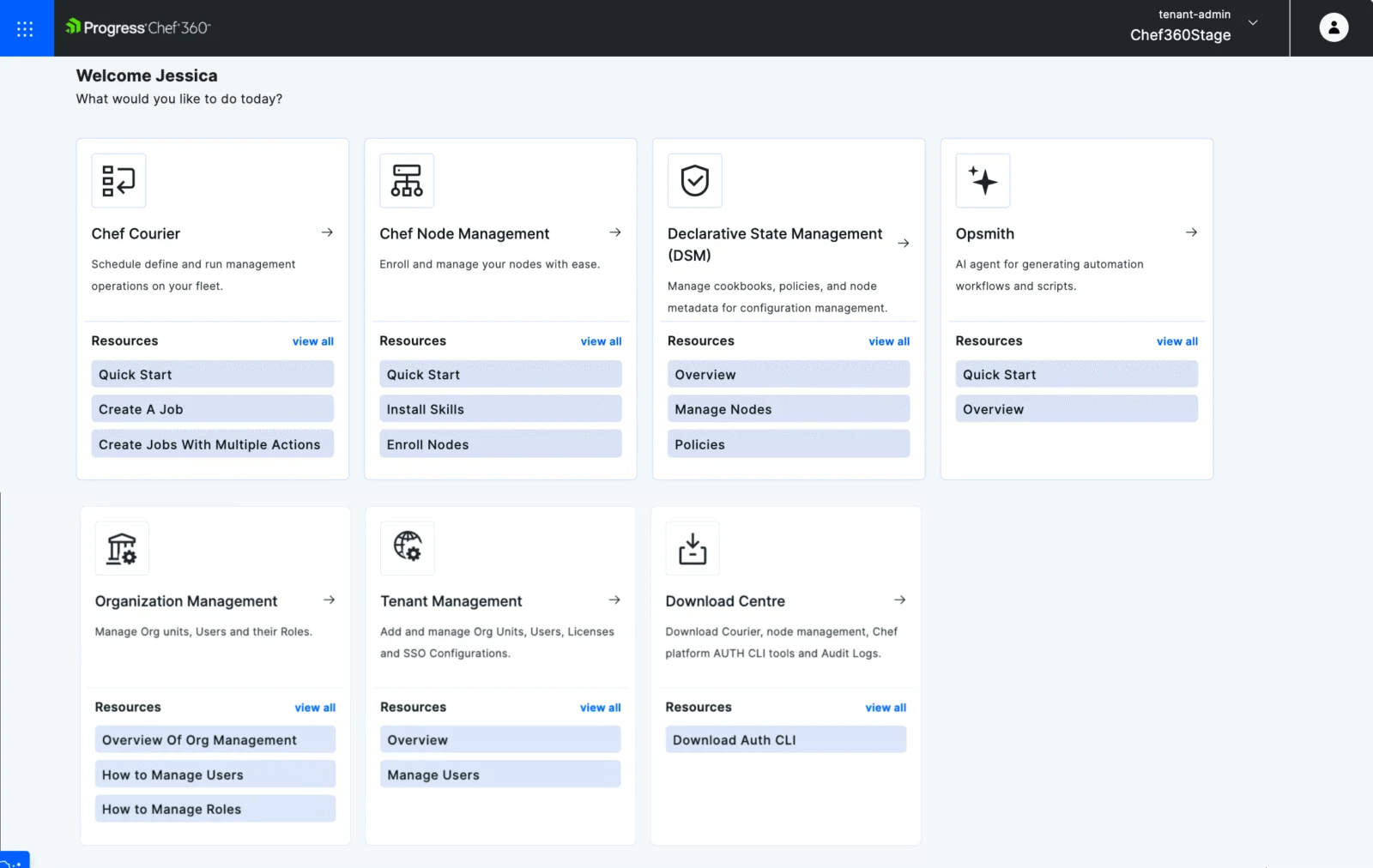
Chef is Progress’s infrastructure automation product family. Chef 360 is the current platform for managing nodes, running operational jobs, defining configuration state, and supporting compliance workflows.
The platform is intended for cloud, on-premises, and hybrid environments. Buyers can choose SaaS or self-managed deployment; self-managed Chef 360 runs within an existing Kubernetes environment.
Existing Chef Infra Server users should note its published end-of-life date: November 30, 2026. Chef documentation identifies Chef 360 as the current platform and describes migration support toward Declarative State Management.
A quick way to understand who this product may suit, where its limits matter, and which facts are most relevant before you compare alternatives.
Organizations automating configuration, fleet operations, and compliance across mixed Linux and Windows environments, especially those prepared to evaluate Chef 360’s deployment and licensing requirements.
Teams seeking a simple, agentless-only tool or a fully transparent, self-service commercial price may prefer a different model. Existing Chef Infra Server users should also plan around its November 30, 2026 end-of-life date, and should evaluate alternatives such as Puppet or Ansible instead.
Cloud, Linux, On-premises, SaaS, Windows
7.4/10
These are the product-specific differences that may matter when deciding whether the software fits your workflow. They are based on documented evidence rather than a universal ranking.
These are documented constraints or practical friction points that may matter before you adopt the product.
Organizations using the legacy server should assess the published Chef 360 transition and migration options before the lifecycle date.
Evidence source ↗Buyers need Kubernetes operational capacity and must validate deployment prerequisites before choosing the self-managed option.
Evidence source ↗Teams with higher job volume or longer retention needs should compare plan entitlements and any dedicated-instance add-on before purchase.
Evidence source ↗Per node per year. The published plan includes node management, job orchestration, configuration management, and listed pooled job runs.
Check current pricing →Per node per year. The public plan table lists expanded orchestration and management capabilities.
Check current pricing →For security-focused organizations; the pricing page lists premium support and an optional dedicated instance.
Check current pricing →Guided product evaluation with SaaS or self-managed deployment options.
Check current pricing →Pricing may change. Verify current plans on the vendor's website.
Compare similar products directly, then see which alternatives may make more sense when your requirements differ.
| Decision factor | Chef | Puppet | Ansible |
|---|---|---|---|
| Core scope | Chef 360 combines node management, job orchestration, configuration management, and compliance capabilities. | Puppet Enterprise focuses on infrastructure automation, configuration enforcement, reporting, and access controls. Source ↗ | Ansible automates configuration management, cloud provisioning, application deployment, and orchestration through playbooks. Source ↗ |
| Pricing model | Chef lists Business at $59 and Enterprise at $189 per node per year; Enterprise Plus is quote-based. | Puppet lists its Enterprise products as custom-priced; Puppet Core Commercial is also custom-priced for 25 or more nodes. Source ↗ | Not documented |
| Configuration language | Chef’s configuration management uses cookbooks and the Chef Infra language. | Puppet uses Puppet DSL for desired-state configuration and task-based capabilities. Source ↗ | Ansible automation is described in YAML playbooks. Source ↗ |
| Managed-node model | Chef supports agent-based and agentless operation, with OS and feature support varying by component. | Not documented | Ansible is agentless and connects to managed nodes using SSH, PowerShell remoting, or other transports. Source ↗ |
Only factors supported by the available research are shown. The comparison is descriptive, not a ranking.
These products address broadly similar requirements. The descriptions focus on documented reasons a buyer might compare them with Chef.
| Vendor | Progress Software Corporation |
|---|---|
| Deployment | SaaS or self-managed |
| Self-managed requirement | Chef 360 runs in the customer’s Kubernetes environment |
| API | REST API documented for Chef Infra Server; Chef 360 includes an API gateway |
| Managed node modes | Agent-based and agentless, depending on component and supported platform |
| Free trial | Guided trial available |
| Chef Infra Server lifecycle | End of life November 30, 2026 |
| Published plan retention | 30 days; Enterprise Plus dedicated instance may provide up to 60 days |
Verified installation, hosting, administration, or environment details that can affect implementation.
| Hosting | Chef 360 is offered as SaaS or self-managed; the self-managed option runs in the customer’s Kubernetes environment. Source ↗ |
|---|---|
| Managed node operation | Chef documents agent-based and agentless modes. Agentless connections use SSH on Linux or WinRM/SSH on Windows where supported. Source ↗ |
Documented portability, standards, export, or switching considerations. No switching-cost score is shown unless the evidence supports one.
Chef documentation identifies Chef 360 Platform as the transition target and describes guided migration support for moving from Chef Infra Server to Chef DSM.
Evidence source ↗A proprietary editorial score based on product capabilities, usability, value, performance, support and user sentiment evidence.
Official documentation describes configuration management, compliance, workflow orchestration, and broad operating-system support. Public review evidence was not reliably available for analysis, so scores reflect documented capabilities rather than reviewer consensus or hands-on testing.
Methodology v1.0. The assessment weighs feature coverage (25%), ease of use (15%), value for money (20%), performance (15%), support (10%) and user sentiment (15%), using researched product evidence and verified review evidence where available. It is a TechZella editorial assessment, not a direct user-review average.
Key claims are linked to the sources used to verify them. This evidence record is separate from third-party user ratings.
TechZella evaluates software using documented product capabilities, pricing information, usability and value considerations, independent user evidence where available, and competitive context. The assessment is an editorial review, not a hands-on test unless one is explicitly identified. Our editorial assessment is based on 6 documented sources.
The official Chef 360 product page describes these capability areas and lists SaaS and self-managed deployment options.
View source ↗Verified 2026-11-07The Chef supported versions page lists the lifecycle date and Chef 360 Platform as the transition destination.
View source ↗Verified 2026-11-07The current public pricing page displays these annual per-node prices and lists Enterprise Plus as custom priced.
View source ↗Verified 2026-11-07Chef documentation describes the Infra Server API as REST and states that it requires authentication and authorization.
View source ↗Verified 2026-11-07Official documentation describes cloud, on-premises, and hybrid use and enumerates supported operating systems by Chef component.
View source ↗Verified 2026-11-07Progress’s investor filing states that the acquisition was completed on October 5, 2020.
View source ↗Verified 2026-11-07Answers begin with the clearest available response, followed by the context that helps you act on it.
No reviews yet. Be the first to share your experience.
Please log in to submit a review.