
The pricing FAQ says business engagements have a minimum 12-month term and usage overages may apply.
A free plan is available, but teams evaluating paid production use should confirm contract and overage terms before budgeting.
Evidence source ↗
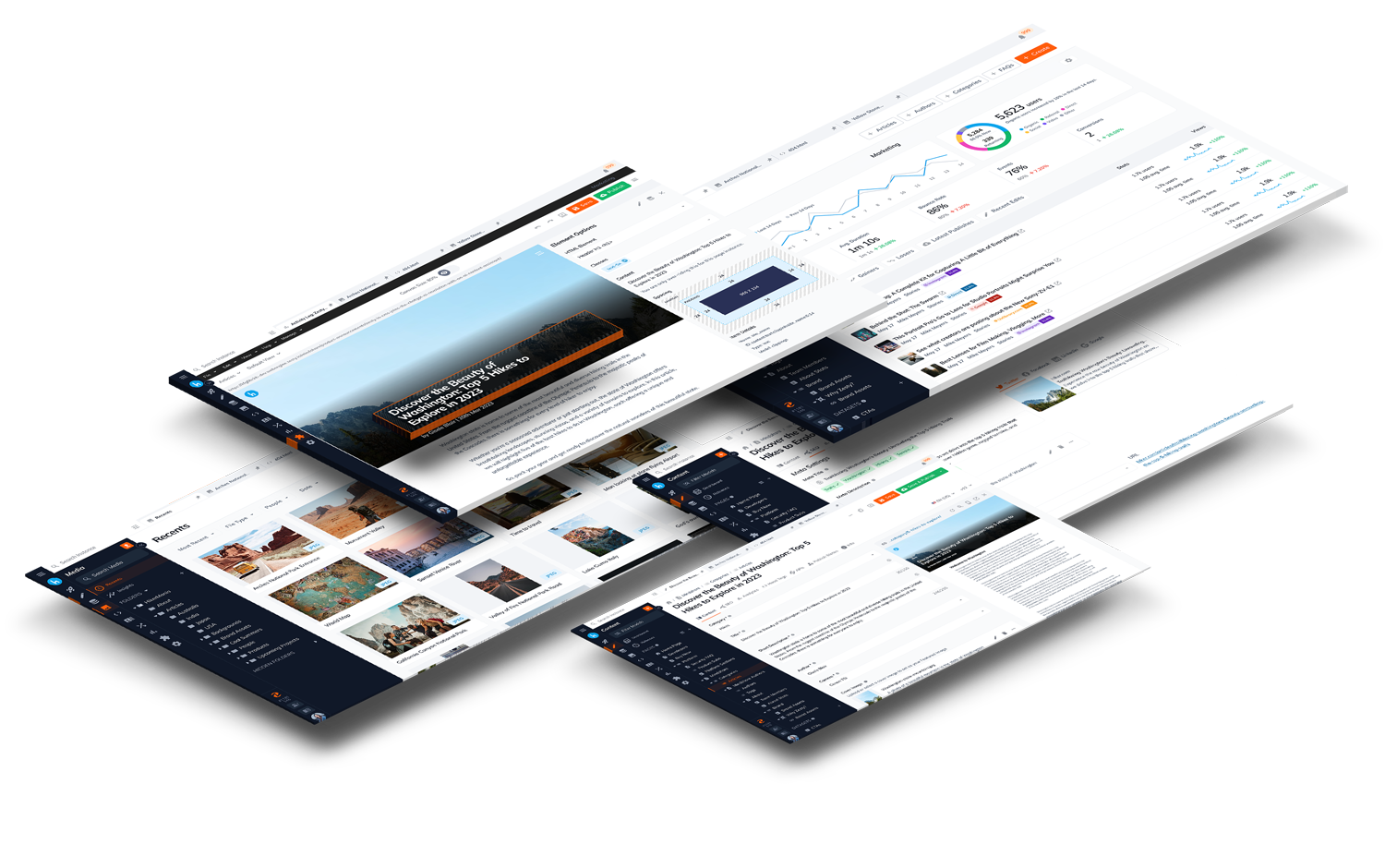
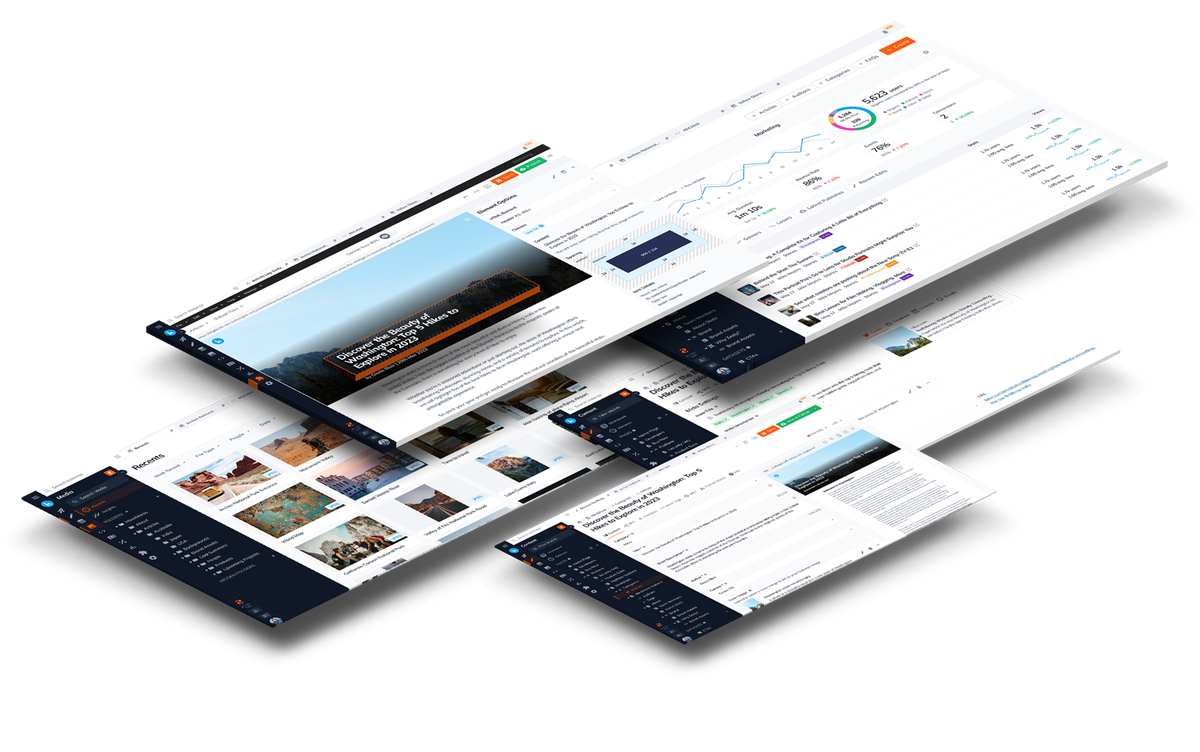
Zesty.io is a cloud CMS for creating, managing, and publishing structured content through traditional, headless, or hybrid implementations.
Official documentation describes traditional, headless, and hybrid CMS modes, generated APIs, content modeling, and cloud hosting. Capterra displays a 4.6 average from 25 reviews; accessible comments praise support and editing workflows but note developer learning and implementation effort.
This profile combines documented product information and independent evidence where available. It is not a hands-on test unless TechZella explicitly identifies one.
A quick way to understand who this product may suit, where its limits matter, and which facts are most relevant before you compare alternatives.
Organizations coordinating marketing and development teams that need structured content for websites and API-driven digital experiences, with hybrid delivery as an option.
Teams seeking a low-cost paid plan, an entirely self-hosted CMS, or a site that needs little development and a ready-made template-based setup may find the plan cost and implementation requirements unsuitable.
API, Cloud, SaaS, Web
7.7/10
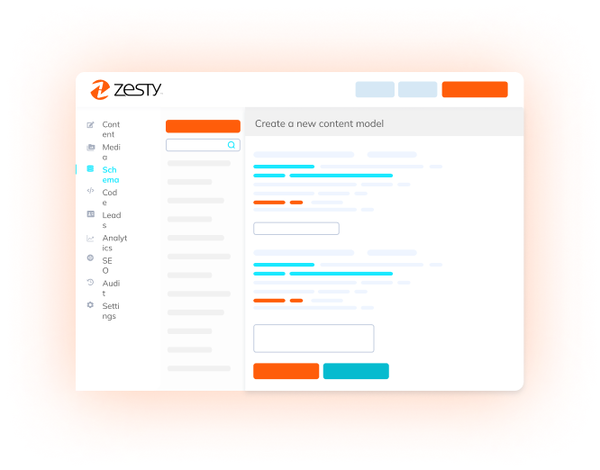
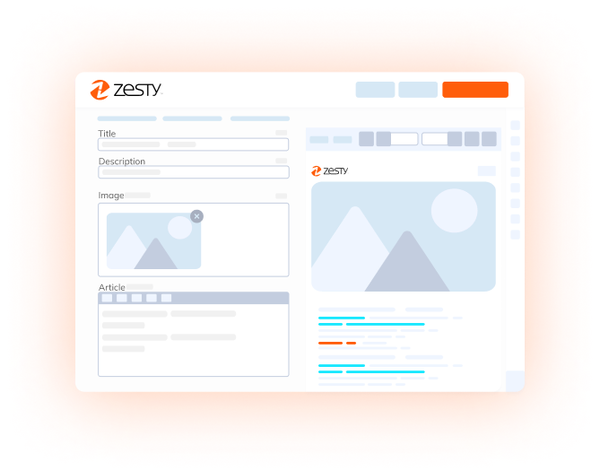
Zesty.io is a cloud content management system that supports traditional website rendering, headless delivery through APIs, and hybrid implementations. Teams can define content models, manage content, and deliver it to websites or other connected applications.
The platform is aimed at marketing and development workflows that share responsibility for digital content. Its cloud service is managed by the vendor, while site architecture and API consumers can be customized for a project.
These are the product-specific differences that may matter when deciding whether the software fits your workflow. They are based on documented evidence rather than a universal ranking.
These are documented constraints or practical friction points that may matter before you adopt the product.
A free plan is available, but teams evaluating paid production use should confirm contract and overage terms before budgeting.
Evidence source ↗Teams switching an existing implementation to headless should assess its existing page-rendering dependencies first.
Evidence source ↗Free plan; up to five users, 5GB CDN bandwidth, 50,000 CDN requests, 3,000 API calls, and 5GB storage.
Check current pricing →Three included users, maximum 15, 100GB CDN bandwidth, 500,000 CDN requests, 10,000 API calls, and 20GB storage.
Check current pricing →Ten included users, maximum 40, 2TB CDN bandwidth, 5,000,000 CDN requests, 50,000 API calls, and 200GB storage.
Check current pricing →Custom users and data allowances; vendor lists SSO, activity logs, custom caching, and dedicated account management.
Check current pricing →Pricing may change. Verify current plans on the vendor's website.
Teams comparing CMS products should assess the content modeling approach, publishing architecture, included usage, contract terms, and level of development support required. Research reviewed for this profile did not establish a sufficiently specific, sourced buyer comparison with another product, so no alternatives are asserted here.

| Deployment | Cloud SaaS |
|---|---|
| Delivery modes | Traditional, headless, and hybrid |
| Infrastructure documented | Google Cloud Platform with Fastly edge caching |
| API | Generated content APIs and custom endpoints |
| Free trial | 30-day sandbox by request |
| Contract term | Pricing FAQ states a minimum 12-month engagement |
| Overages | May apply after included limits; schedule available through account manager |
Verified installation, hosting, administration, or environment details that can affect implementation.
| Hosting | Cloud-hosted SaaS; documentation identifies Google Cloud Platform infrastructure and Fastly edge caching. Source ↗ |
|---|---|
| Delivery modes | Traditional WebEngine rendering, headless API delivery, or hybrid mode. Source ↗ |
A proprietary editorial score based on product capabilities, usability, value, performance, support and user sentiment evidence.
Official documentation describes traditional, headless, and hybrid CMS modes, generated APIs, content modeling, and cloud hosting. Capterra displays a 4.6 average from 25 reviews; accessible comments praise support and editing workflows but note developer learning and implementation effort.
Methodology v1.0. The assessment weighs feature coverage (25%), ease of use (15%), value for money (20%), performance (15%), support (10%) and user sentiment (15%), using researched product evidence and verified review evidence where available. It is a TechZella editorial assessment, not a direct user-review average.
Key claims are linked to the sources used to verify them. This evidence record is separate from third-party user ratings.
TechZella evaluates software using documented product capabilities, pricing information, usability and value considerations, independent user evidence where available, and competitive context. The assessment is an editorial review, not a hands-on test unless one is explicitly identified. Our editorial assessment is based on 5 documented sources.
Getting Started documentation describes these as supported content-use approaches.
View source ↗Verified 2026-10-12The API overview describes generated content endpoints and custom endpoints, including read-only and authenticated API options.
View source ↗Verified 2026-10-12The pricing page lists $0 pricing, up to five users, 5GB CDN bandwidth, 50,000 CDN requests, 3,000 API calls, and 5GB storage.
View source ↗Verified 2026-10-12The pricing page lists $475 monthly and 100GB CDN bandwidth, 500,000 CDN requests, 10,000 API calls, and 20GB storage.
View source ↗Verified 2026-10-12The pricing page lists $3,500 monthly and includes 2TB CDN bandwidth, 5 million CDN requests, 50,000 API calls, and 200GB storage.
View source ↗Verified 2026-10-12The trial page outlines submitting project information, scheduling a sandbox customization meeting, and playing with the sandbox for 30 days.
View source ↗Verified 2026-10-12The page displays the average and count and includes reviews referring to Zesty.io.
View source ↗Verified 2026-10-12No reviews yet. Be the first to share your experience.
Please log in to submit a review.
Does Zesty.io have a free plan? Yes. The vendor lists a free Community plan with limits on users, storage, API calls, and CDN usage.
Does it support headless content delivery? Yes. Documentation describes generated and custom APIs, as well as headless and hybrid operating modes.
Is there a free trial? The vendor describes a 30-day sandbox trial arranged through a request and scheduling process.
Does Zesty.io host the CMS? The product is offered as cloud SaaS; reviewed documentation identifies Google Cloud Platform infrastructure and Fastly edge caching.