
CMS 13 requires Optimizely Graph and Opti ID for its full feature set.
Teams should include these components in architecture and rollout planning rather than treating CMS 13 as an isolated content repository.
Evidence source ↗
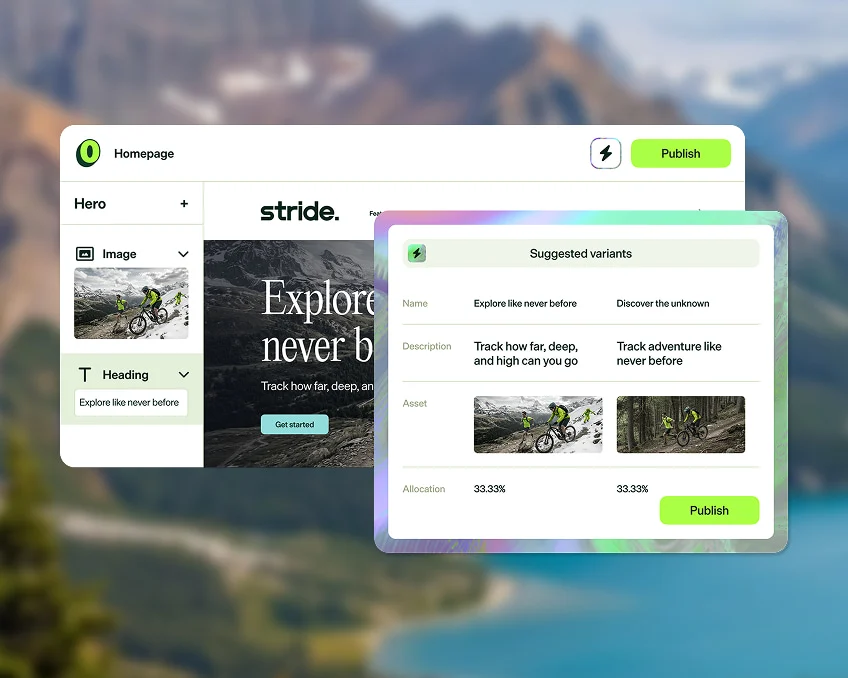
Optimizely CMS is an enterprise content management system with visual editing, workflow tools, and API-based delivery. It is offered in managed SaaS and PaaS deployment models.
Scores reflect documented editorial, workflow, API, and deployment capabilities alongside G2's public rating and recurring themes. G2 reviewers also mention learning complexity and licensing costs; no hands-on testing was conducted.
This profile combines documented product information and independent evidence where available. It is not a hands-on test unless TechZella explicitly identifies one.
A quick way to understand who this product may suit, where its limits matter, and which facts are most relevant before you compare alternatives.
Organizations managing complex websites that need structured editorial workflows, multilingual content, visual authoring, and both headless and server-rendered delivery options.
Small teams seeking transparent self-service pricing or a free public CMS plan may find the quote-based enterprise model and implementation requirements unsuitable, and should evaluate alternatives such as Contentful or Sitecore instead.
API, Cloud, SaaS, Web
7.7/10
Optimizely CMS provides content modeling, editorial tools, asset management, and personalization capabilities. Organizations can choose managed SaaS or PaaS with more control over infrastructure and code deployment.
CMS 13 uses Optimizely Graph for headless content delivery and supports traditional ASP.NET MVC rendering. Its full feature set also depends on Opti ID, Optimizely’s product identity service.
These are the product-specific differences that may matter when deciding whether the software fits your workflow. They are based on documented evidence rather than a universal ranking.
These are documented constraints or practical friction points that may matter before you adopt the product.
Teams should include these components in architecture and rollout planning rather than treating CMS 13 as an isolated content repository.
Evidence source ↗Existing CMS 12 or older deployments using that search implementation need to plan a transition to Graph or another search provider.
Evidence source ↗Optimizely individually packages plans and invites prospective customers to request a demo. SaaS packages may depend on named users, content items, environments, storage, and Graph language support.
Check current pricing →Pricing may change. Verify current plans on the vendor's website.
Compare similar products directly, then see which alternatives may make more sense when your requirements differ.
These products address broadly similar requirements. The descriptions focus on documented reasons a buyer might compare them with Optimizely CMS.


| Deployment | SaaS and PaaS |
|---|---|
| CMS 13 framework | .NET 10 |
| Headless delivery | Optimizely Graph |
| Management API | REST API |
| Traditional rendering | ASP.NET MVC |
| Free trial | No public CMS free-trial offer verified |
Verified installation, hosting, administration, or environment details that can affect implementation.
| Deployment models | SaaS is fully managed by Optimizely; PaaS offers customer-managed infrastructure and greater control over hosting and code deployment. Source ↗ |
|---|---|
| CMS 13 architecture | Cloud-first content management with headless delivery through Optimizely Graph and support for traditional ASP.NET MVC rendering. Source ↗ |
Documented portability, standards, export, or switching considerations. No switching-cost score is shown unless the evidence supports one.
CMS 13 no longer supports Search & Navigation implementations. The vendor documentation directs CMS 12 and older customers to migrate to Optimizely Graph or use a third-party search provider.
Evidence source ↗A proprietary editorial score based on product capabilities, usability, value, performance, support and user sentiment evidence.
Scores reflect documented editorial, workflow, API, and deployment capabilities alongside G2's public rating and recurring themes. G2 reviewers also mention learning complexity and licensing costs; no hands-on testing was conducted.
Methodology v1.0. The assessment weighs feature coverage (25%), ease of use (15%), value for money (20%), performance (15%), support (10%) and user sentiment (15%), using researched product evidence and verified review evidence where available. It is a TechZella editorial assessment, not a direct user-review average.
Key claims are linked to the sources used to verify them. This evidence record is separate from third-party user ratings.
TechZella evaluates software using documented product capabilities, pricing information, usability and value considerations, independent user evidence where available, and competitive context. The assessment is an editorial review, not a hands-on test unless one is explicitly identified. Our editorial assessment is based on 5 documented sources.
The developer guide distinguishes fully managed SaaS from PaaS, which gives customers more control over hosting and custom code deployment.
View source ↗Verified 2026-10-12The CMS 13 developer overview identifies Graph and Opti ID as mandatory components and describes their delivery and identity roles.
View source ↗Verified 2026-10-12The API documentation describes endpoints for creating, retrieving, updating, and deleting content and managing content types and definitions.
View source ↗Verified 2026-10-12The Optimizely developer community page identifies named users and content items as primary pricing metrics and notes additional options.
View source ↗Verified 2026-10-12The CMS 13 developer overview says to use Graph or a third-party search provider instead.
View source ↗Verified 2026-10-12The G2 review page displayed the rating and review count on the accessed page.
View source ↗Verified 2026-10-12No reviews yet. Be the first to share your experience.
Please log in to submit a review.
No public CMS free-trial offer was verified in the official materials reviewed. Optimizely’s plans page directs prospective customers to request a demo.
Yes. CMS 13 uses Optimizely Graph for API-based, headless content delivery and also supports traditional ASP.NET MVC rendering.
Optimizely describes a fully managed SaaS option and a PaaS option that offers customers more control over hosting and custom code deployment.
CMS 13 does not support Search & Navigation implementations. Customers using it should plan for Graph or a third-party search provider.