
The free sandbox is not a production hosting plan.
It uses test data and test-mode payments; launching a live store requires deploying the software on production infrastructure.
Evidence source ↗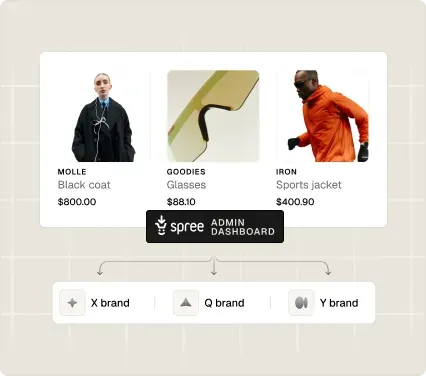
Spree Commerce is an open-source commerce platform with REST APIs, an admin interface, and an optional Next.js storefront. Teams can self-host it and customize the commerce stack.
The platform provides commerce administration, REST APIs, a Next.js storefront, and a free open-source edition. Self-hosting and customization require engineering and operations capacity. G2 displays 17 reviews and a 3.7/5 rating; this small public sample limits sentiment confidence.
This profile combines documented product information and independent evidence where available. It is not a hands-on test unless TechZella explicitly identifies one.
Spree Commerce is an open-source commerce platform with a product and order administration layer, REST APIs, and a customizable storefront option. Teams can use the APIs with their own web or mobile frontend, or start from the project’s Next.js storefront.
The Community Edition is free and self-hosted. Spree also offers a commercial Enterprise Edition with custom pricing. A hosted sandbox is available for evaluation, but it is disposable and cannot be used for production.
A quick way to understand who this product may suit, where its limits matter, and which facts are most relevant before you compare alternatives.
Teams with engineering capacity that want to build or adapt a self-hosted commerce backend, including custom storefronts and B2B workflows.
Organizations seeking a production-ready hosted commerce subscription with hosting and routine platform operations included may prefer a managed platform; Spree's free sandbox is explicitly for evaluation, not production, and should evaluate alternatives such as Shopify or WooCommerce instead.
API, Docker, REST API, Self-hosted, Web
7.3/10
These are the product-specific differences that may matter when deciding whether the software fits your workflow. They are based on documented evidence rather than a universal ranking.
These are documented constraints or practical friction points that may matter before you adopt the product.
It uses test data and test-mode payments; launching a live store requires deploying the software on production infrastructure.
Evidence source ↗The software license is free, but operating a self-hosted store still requires infrastructure and technical resources.
Evidence source ↗Free open-source edition for self-hosting. Production hosting and implementation are separate responsibilities.
Check current pricing →Commercial license; pricing depends on scale and support requirements.
Check current pricing →Free disposable cloud environment for evaluation with sample data and test-mode payments; not for production.
Check current pricing →Pricing may change. Verify current plans on the vendor's website.
Compare similar products directly, then see which alternatives may make more sense when your requirements differ.
These products address broadly similar requirements. The descriptions focus on documented reasons a buyer might compare them with Spree Commerce.



| License | Community Edition: BSD-3 open-source license |
|---|---|
| API | REST APIs, including Store and Admin APIs |
| Deployment | Self-hosted; Docker-image-first deployment documented for Spree 5.6 |
| Free trial | Free hosted sandbox for evaluation; not for production |
| Enterprise pricing | Custom quote |
| Integrations | Payment, marketing, shipping, and search integrations listed by the vendor |
Verified installation, hosting, administration, or environment details that can affect implementation.
| Production hosting | Community Edition is self-hosted. Spree 5.6 documents a Docker-image-first deployment and says teams can deploy on container-capable infrastructure. Source ↗ |
|---|---|
| Evaluation hosting | Free, disposable cloud sandboxes provide the admin dashboard and APIs for evaluation; sandbox terms prohibit production use and real data. Source ↗ |
Documented portability, standards, export, or switching considerations. No switching-cost score is shown unless the evidence supports one.
The project describes its deployment as self-hosted and its code as open source, but a specific migration service or standard data-export guarantee was not verified.
Evidence source ↗A proprietary editorial score based on product capabilities, usability, value, performance, support and user sentiment evidence.
The platform provides commerce administration, REST APIs, a Next.js storefront, and a free open-source edition. Self-hosting and customization require engineering and operations capacity. G2 displays 17 reviews and a 3.7/5 rating; this small public sample limits sentiment confidence.
Methodology v1.0. The assessment weighs feature coverage (25%), ease of use (15%), value for money (20%), performance (15%), support (10%) and user sentiment (15%), using researched product evidence and verified review evidence where available. It is a TechZella editorial assessment, not a direct user-review average.
Key claims are linked to the sources used to verify them. This evidence record is separate from third-party user ratings.
TechZella evaluates software using documented product capabilities, pricing information, usability and value considerations, independent user evidence where available, and competitive context. The assessment is an editorial review, not a hands-on test unless one is explicitly identified. Our editorial assessment is based on 7 documented sources.
The editions page lists Community Edition as free under an open-source license.
View source ↗Verified 2026-10-10The official pricing FAQ says pricing depends on scale and support level and asks buyers to contact the vendor.
View source ↗Verified 2026-10-10The official sandbox terms describe disposable hosted instances for evaluation and prohibit production data.
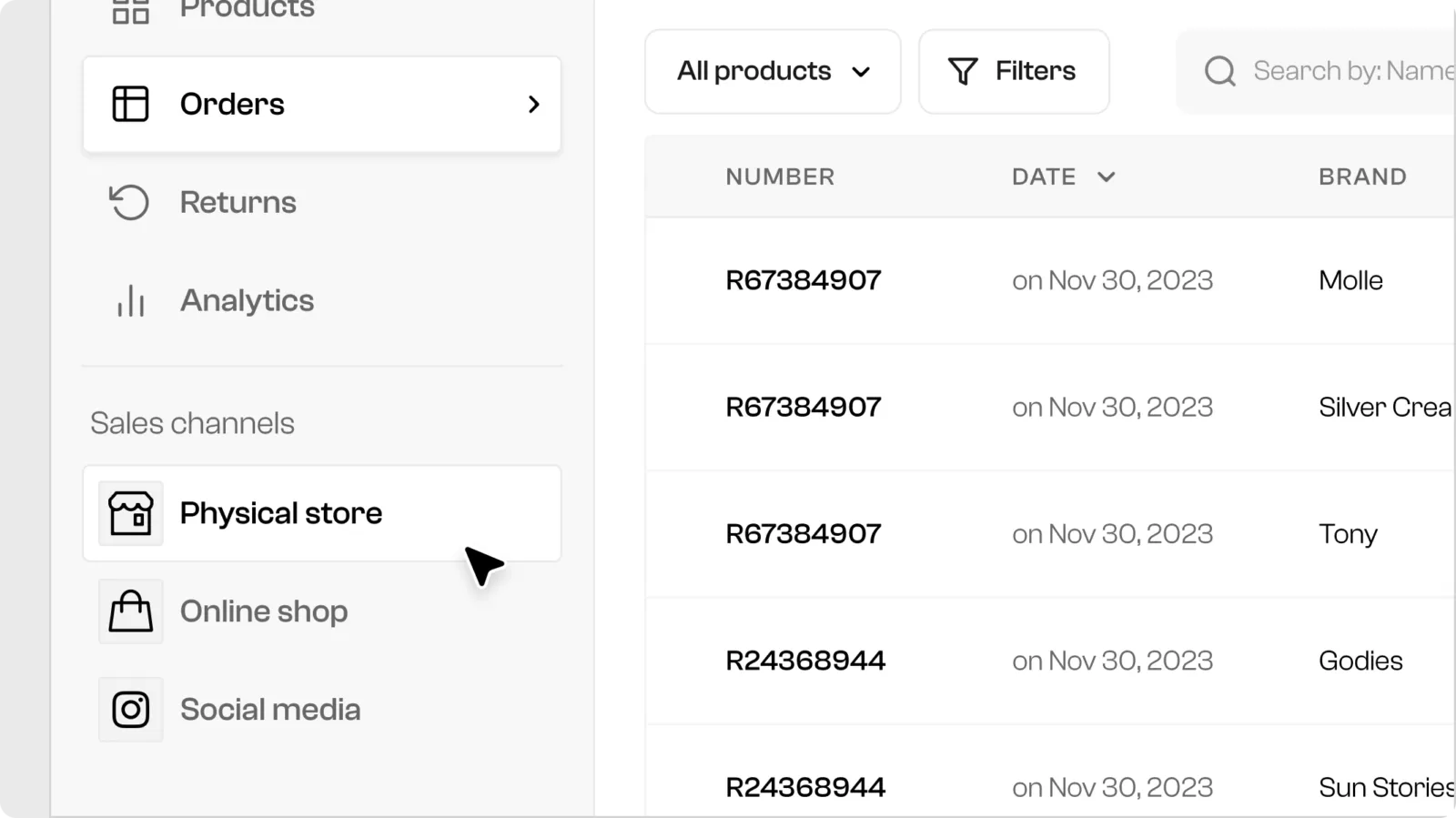
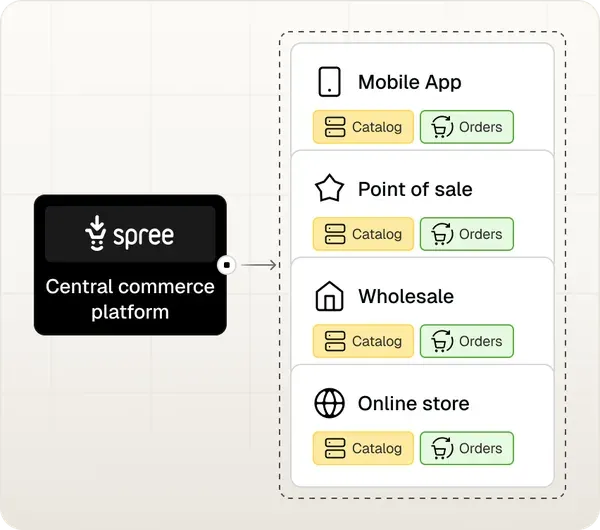
View source ↗Verified 2026-10-10The release announcement describes login-gated sales channels and a wholesale storefront workflow.
View source ↗Verified 2026-10-10The API reference documents creation of publishable or secret keys with assigned scopes.
View source ↗Verified 2026-10-10The integrations directory lists examples including Stripe, PayPal, Klaviyo, Shippo, and Elasticsearch.
View source ↗Verified 2026-10-10The public Spree Commerce G2 review page shows this rating and review count.
View source ↗Verified 2026-10-10Answers begin with the clearest available response, followed by the context that helps you act on it.
No reviews yet. Be the first to share your experience.
Please log in to submit a review.
This history records material data changes detected when TechZella re-researched the profile.