
A storefront is optional and separate from the commerce backend.
Store teams must select, build, or integrate their storefront rather than assume a complete branded storefront is included.
Evidence source ↗
Medusa is an open-source commerce platform and developer framework for building customizable, API-driven commerce applications.
Feature and architecture assessments reflect official documentation; usability and sentiment incorporate a small Product Hunt review sample. No hands-on testing was conducted.
This profile combines documented product information and independent evidence where available. It is not a hands-on test unless TechZella explicitly identifies one.
A quick way to understand who this product may suit, where its limits matter, and which facts are most relevant before you compare alternatives.
Development teams building custom storefronts or commerce operations that need control over backend logic, integrations, and deployment.
Teams seeking a turnkey store that requires little developer involvement may prefer a fully managed commerce service, and should evaluate alternatives such as Saleor or Shopify instead.
Cloud, Node.js, REST API, Self-hosted, Web
7.5/10
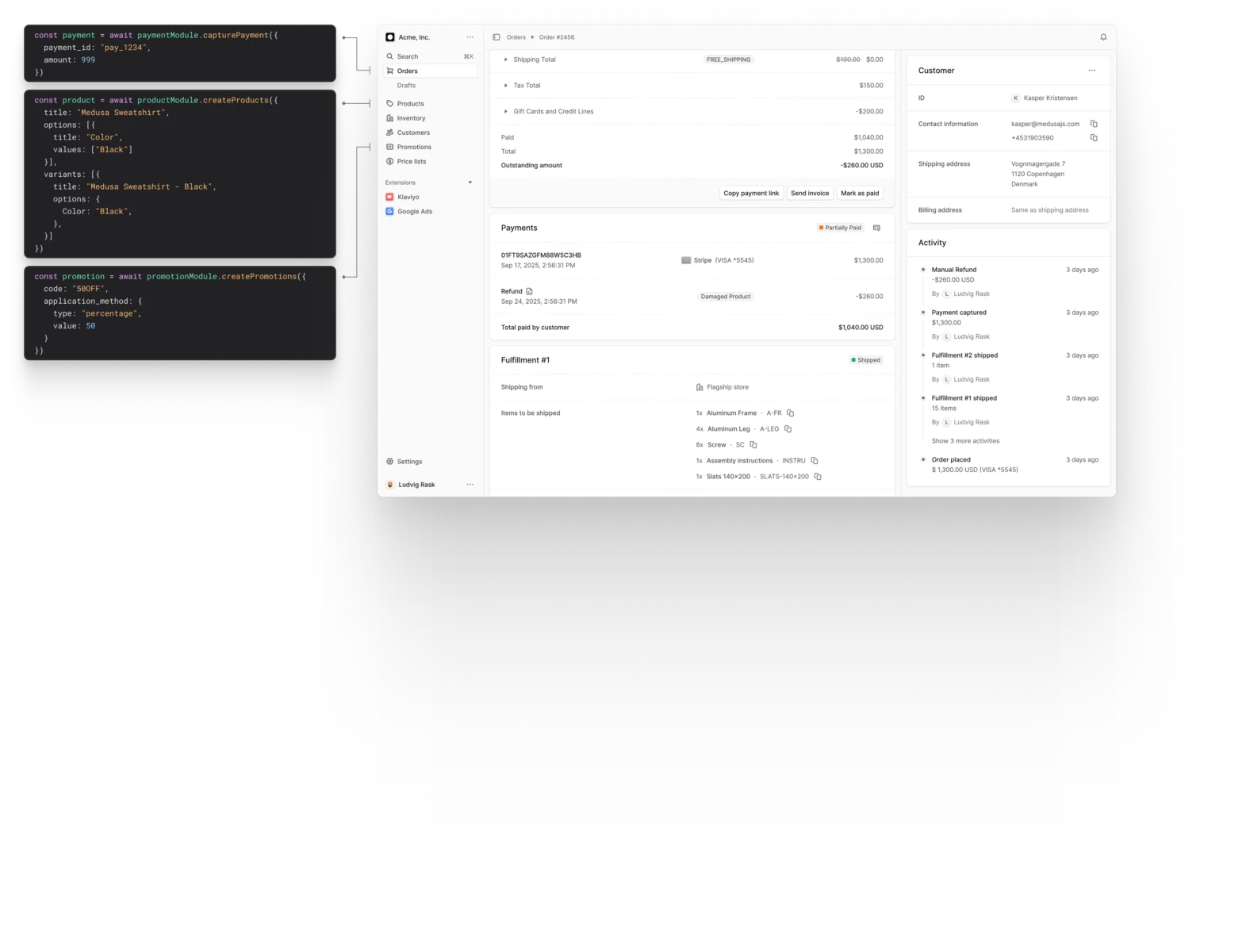
Medusa is an open-source commerce platform for teams building custom digital commerce applications. Its framework supplies commerce modules and APIs, while developers can customize workflows, connect external services, and build a separate storefront.
The architecture suits projects where a standard hosted-store workflow is insufficient or where commerce logic must connect to other systems. That flexibility brings an implementation and operational burden: teams need development capacity, and self-hosted users must manage their own infrastructure.
These are the product-specific differences that may matter when deciding whether the software fits your workflow. They are based on documented evidence rather than a universal ranking.
These are documented constraints or practical friction points that may matter before you adopt the product.
Store teams must select, build, or integrate their storefront rather than assume a complete branded storefront is included.
Evidence source ↗Storefront implementation must configure the key and its associated sales-channel scope.
Evidence source ↗Core repository is MIT-licensed. Hosting and implementation costs are separate.
Check current pricing →Managed hosting is available; public plan pricing could not be verified for the research date.
Check current pricing →Pricing may change. Verify current plans on the vendor's website.
Compare similar products directly, then see which alternatives may make more sense when your requirements differ.
These products address broadly similar requirements. The descriptions focus on documented reasons a buyer might compare them with Medusa.js.


| License | MIT for the open-source core |
|---|---|
| API | REST Admin API and Store API |
| Backend | Node.js server |
| Database prerequisite | PostgreSQL |
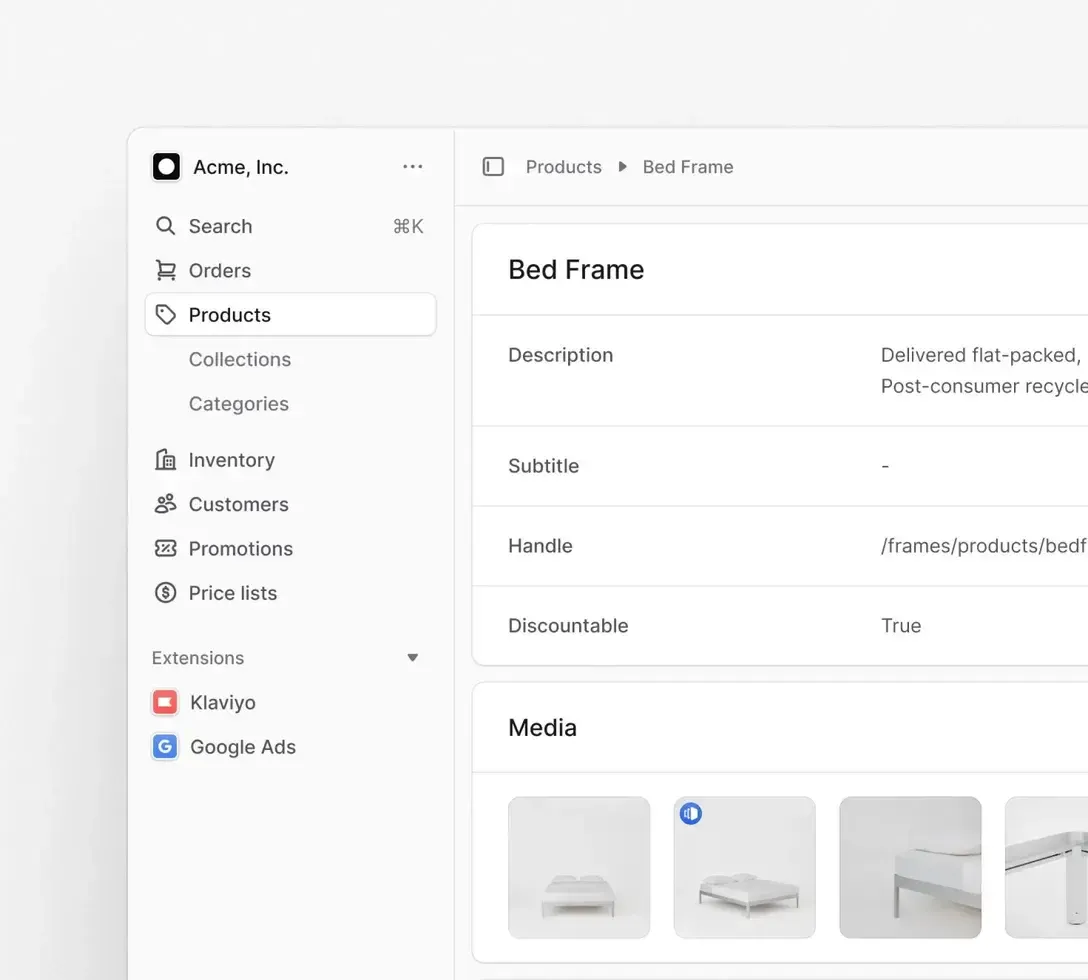
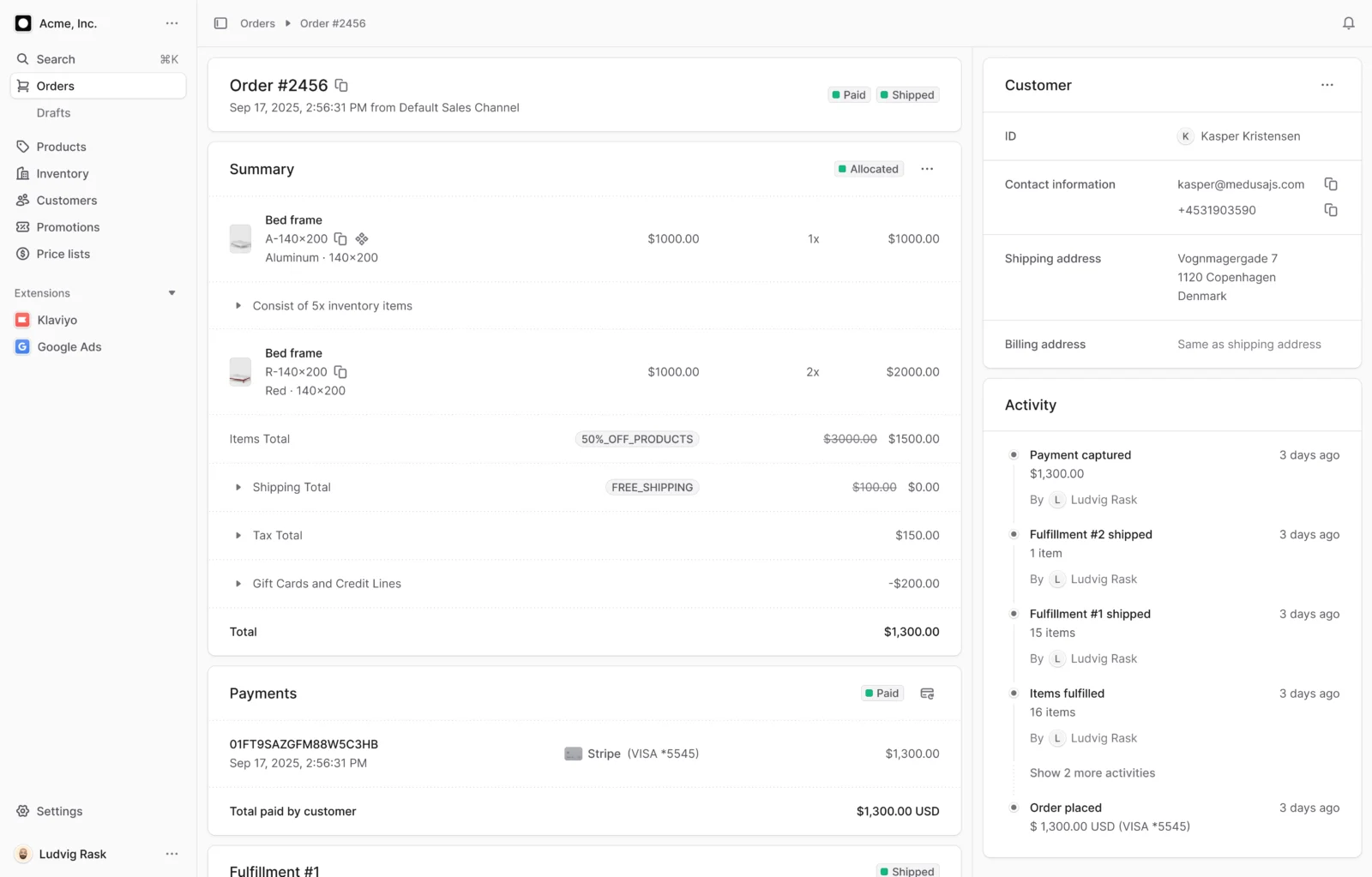
| Admin dashboard | Vite-based web dashboard |
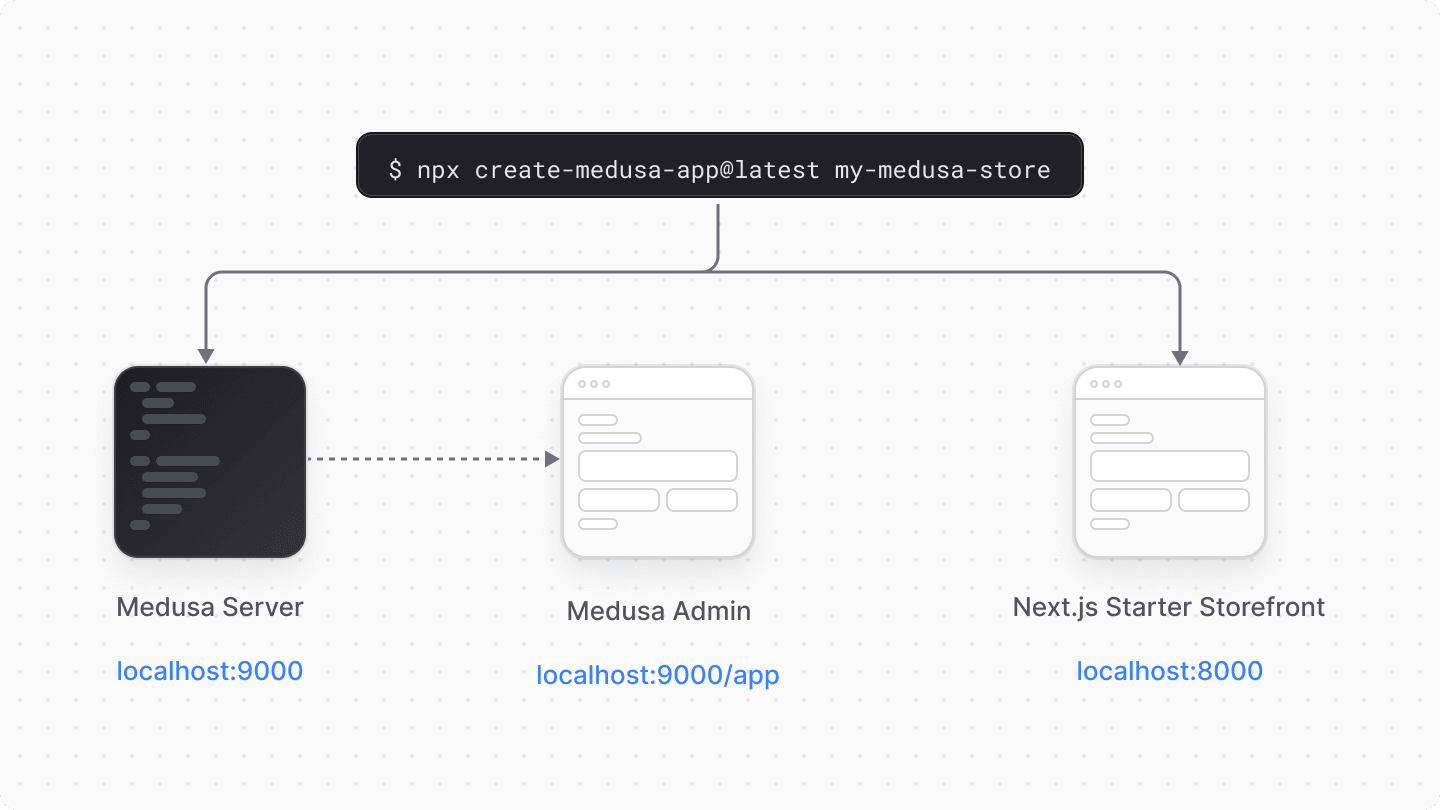
| Storefront | Optional Next.js starter or custom storefront |
| Deployment | Self-hosted or Medusa Cloud |
| Free trial | Could not verify trial availability for the research date |
Verified installation, hosting, administration, or environment details that can affect implementation.
| Self-hosted requirements | Installation documentation specifies a Node.js server, PostgreSQL, and Git CLI; the application includes a Vite admin dashboard. Source ↗ |
|---|---|
| Managed hosting | Medusa Cloud connects to a GitHub repository and provisions hosted application infrastructure and deployment environments. Source ↗ |
Documented portability, standards, export, or switching considerations. No switching-cost score is shown unless the evidence supports one.
Medusa documentation includes an integration guide for migrating data from Magento; broader migration requirements depend on the source system and implementation.
Evidence source ↗A proprietary editorial score based on product capabilities, usability, value, performance, support and user sentiment evidence.
Feature and architecture assessments reflect official documentation; usability and sentiment incorporate a small Product Hunt review sample. No hands-on testing was conducted.
Methodology v1.0. The assessment weighs feature coverage (25%), ease of use (15%), value for money (20%), performance (15%), support (10%) and user sentiment (15%), using researched product evidence and verified review evidence where available. It is a TechZella editorial assessment, not a direct user-review average.
Key claims are linked to the sources used to verify them. This evidence record is separate from third-party user ratings.
TechZella evaluates software using documented product capabilities, pricing information, usability and value considerations, independent user evidence where available, and competitive context. The assessment is an editorial review, not a hands-on test unless one is explicitly identified. Our editorial assessment is based on 6 documented sources.
The repository identifies its core license as MIT.
View source ↗Verified 2025-03-08The Admin API reference identifies its endpoints as REST APIs; a separate Store API reference documents store routes.
View source ↗Verified 2025-03-08The installation guide lists the application components and PostgreSQL prerequisite.
View source ↗Verified 2025-03-08The payment module guide lists both as available providers.
View source ↗Verified 2025-03-08The October 2024 release-candidate announcement describes modules, inventory improvements, pickup locations, and an updated admin dashboard.
View source ↗Verified 2025-03-08The Cloud announcement describes repository integration, automated deployments, and preview environments tied to pull requests.
View source ↗Verified 2025-03-08No reviews yet. Be the first to share your experience.
Please log in to submit a review.
Is Medusa free? The core repository is MIT-licensed. Hosting, implementation, and external services may involve separate costs.
Does Medusa have an API? Yes. Its documentation describes REST APIs for administration and storefront operations.
Can Medusa be self-hosted? Yes. The installation guide describes local setup with Node.js and PostgreSQL. Medusa Cloud is a separate managed deployment option.
Does Medusa include a storefront? A Next.js starter storefront is available as an optional part of the setup. Developers can also build their own storefront against the APIs.
Does Medusa offer a free trial? Trial availability and terms could not be verified for the research date. Confirm directly with Medusa before planning a Cloud evaluation.