
The production start command does not apply database migrations.
Teams need to plan and run migrations in their release or deployment workflow before starting a production build.
Evidence source ↗
KeystoneJS is an open-source, code-first content management system for Node.js. It generates a GraphQL API and an administrative interface from a developer-defined schema.
Official documentation verifies schema-defined content models, an Admin UI, GraphQL APIs, access controls, and multiple database choices. The MIT-licensed project has no product subscription price, but self-hosting and code-based configuration require developer resources. No reliable public review e
This profile combines documented product information and independent evidence where available. It is not a hands-on test unless TechZella explicitly identifies one.
A quick way to understand who this product may suit, where its limits matter, and which facts are most relevant before you compare alternatives.
Development teams that want to define a content model in code and generate a customizable admin interface and GraphQL API for a Node.js application.
Teams seeking a vendor-hosted CMS, visual content modeling without code, or a turnkey editorial product should assess whether they can operate and maintain a Node.js application, and should evaluate alternatives such as Payload or Strapi instead.
API, Node.js, Self-hosted, Web
6.6/10
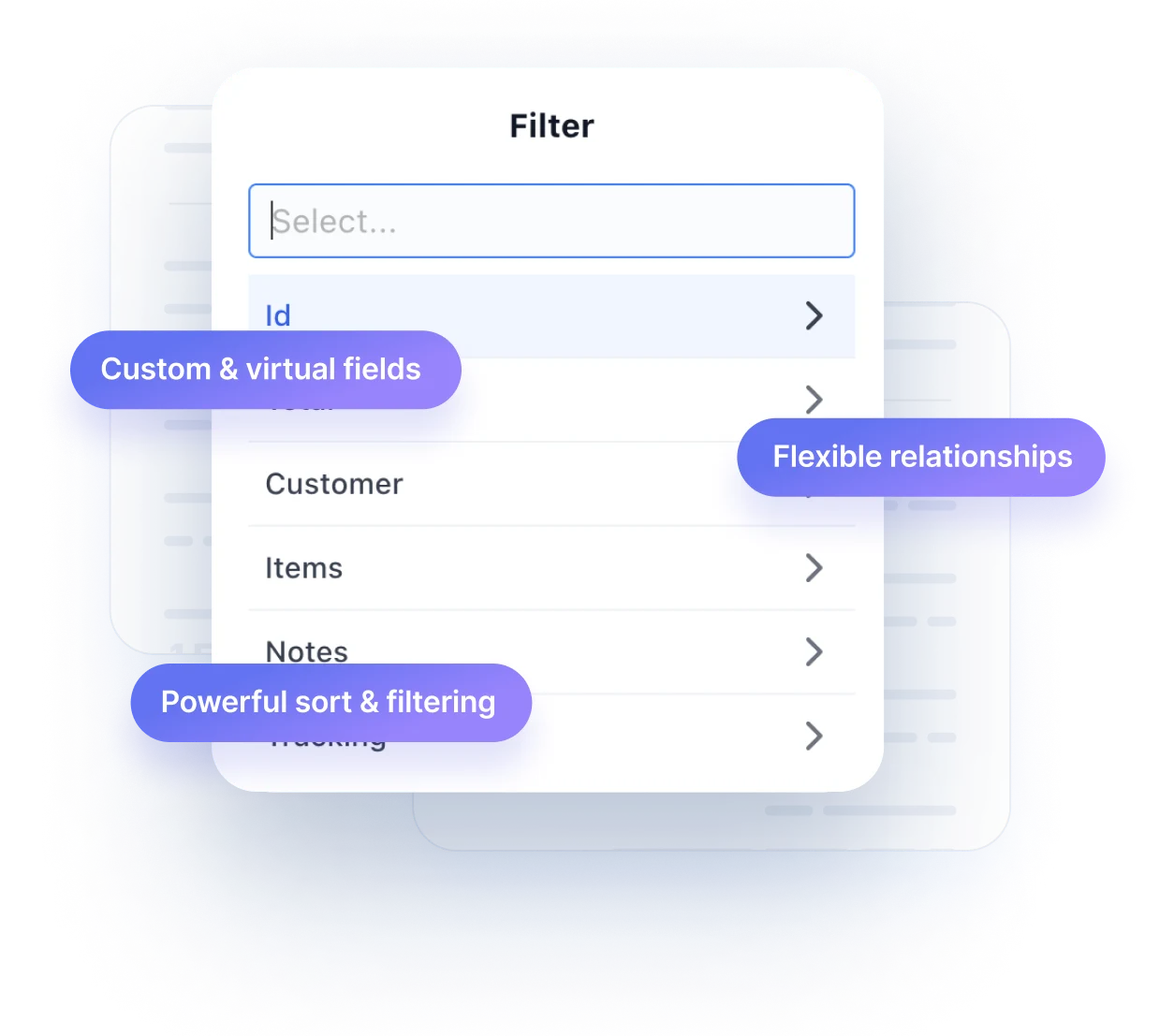
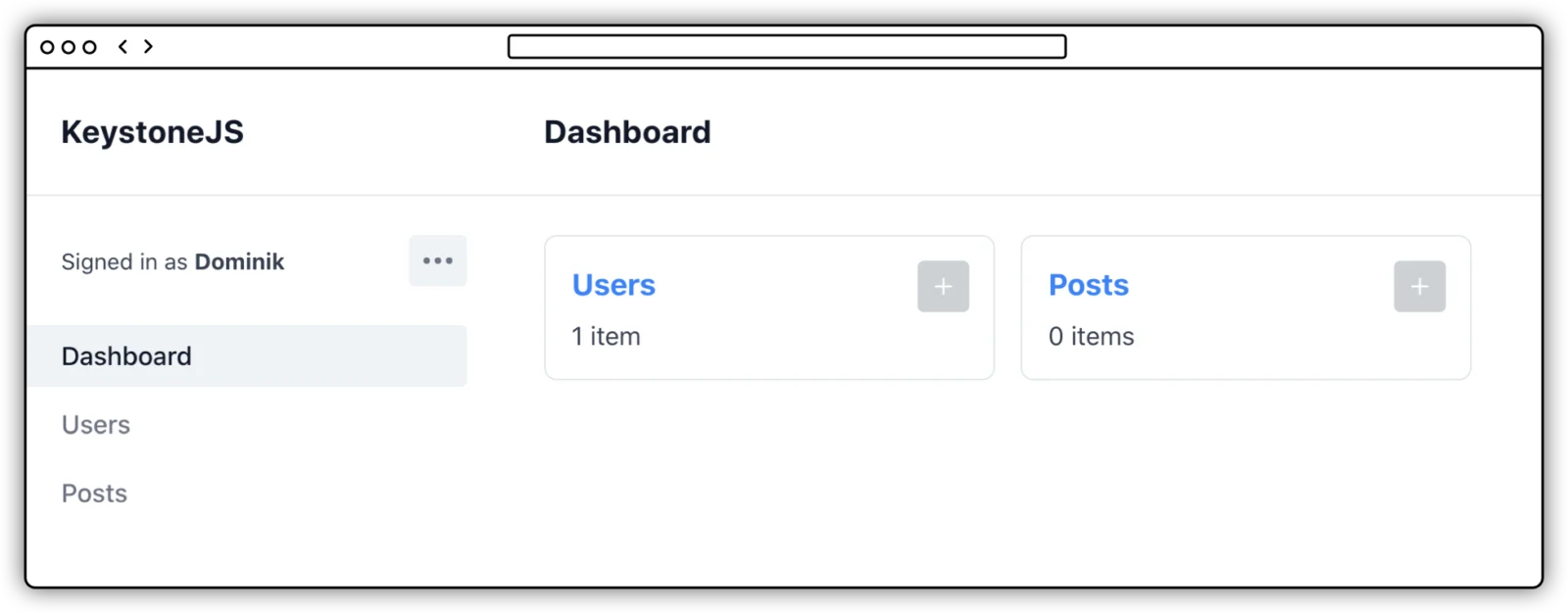
KeystoneJS is an open-source, code-first content management system for Node.js applications. Developers define data lists and fields in project code; Keystone uses that configuration to provide an Admin UI and GraphQL API.
It is suited to teams that want a programmable content backend and are prepared to own application hosting and database operations. The project is MIT-licensed, and the reviewed materials do not list a managed Keystone hosting subscription.
These are the product-specific differences that may matter when deciding whether the software fits your workflow. They are based on documented evidence rather than a universal ranking.
These are documented constraints or practical friction points that may matter before you adopt the product.
Teams need to plan and run migrations in their release or deployment workflow before starting a production build.
Evidence source ↗MIT-licensed software. Hosting, database, storage, and implementation expenses are separate and depend on the deployment.
Check current pricing →Pricing may change. Verify current plans on the vendor's website.
Compare similar products directly, then see which alternatives may make more sense when your requirements differ.
These products address broadly similar requirements. The descriptions focus on documented reasons a buyer might compare them with KeystoneJS.


| License | MIT |
|---|---|
| API | GraphQL |
| Runtime | Node.js |
| Database providers | PostgreSQL, MySQL, SQLite |
| Deployment model | Self-hosted Node.js application |
| Free trial | Not applicable to the open-source software; no paid trial verified |
| Hosting provider | Team-selected application hosting; no vendor-managed hosting verified |
Verified installation, hosting, administration, or environment details that can affect implementation.
| Installation or hosting | Install as a Node.js project using the Keystone CLI, then build and run it in the team's chosen application hosting environment. Source ↗ |
|---|
Documented portability, standards, export, or switching considerations. No switching-cost score is shown unless the evidence supports one.
The reviewed documentation describes Prisma-backed database configuration and migration workflows. It does not document a hosted vendor migration service.
Evidence source ↗A proprietary editorial score based on product capabilities, usability, value, performance, support and user sentiment evidence.
Official documentation verifies schema-defined content models, an Admin UI, GraphQL APIs, access controls, and multiple database choices. The MIT-licensed project has no product subscription price, but self-hosting and code-based configuration require developer resources. No reliable public review evidence was verified.
Methodology v1.0. The assessment weighs feature coverage (25%), ease of use (15%), value for money (20%), performance (15%), support (10%) and user sentiment (15%), using researched product evidence and verified review evidence where available. It is a TechZella editorial assessment, not a direct user-review average.
Key claims are linked to the sources used to verify them. This evidence record is separate from third-party user ratings.
TechZella evaluates software using documented product capabilities, pricing information, usability and value considerations, independent user evidence where available, and competitive context. The assessment is an editorial review, not a hands-on test unless one is explicitly identified. Our editorial assessment is based on 5 documented sources.
The configuration reference lists these three supported database types and notes that SQLite is not intended for production systems.
View source ↗Verified 2026-10-12The getting-started guide describes the CLI-generated Admin UI and GraphQL API, including the default API path.
View source ↗Verified 2026-10-12The repository license identifies the project as MIT-licensed and names Thinkmill Labs Pty Ltd in its copyright notice.
View source ↗Verified 2026-10-12The official guide demonstrates storage configuration for uploads, deletion, and asset URLs, including S3 buckets.
View source ↗Verified 2026-10-12The CLI guide states that `keystone start` does not generate or apply migrations and documents Prisma migration commands for deployment.
View source ↗Verified 2026-10-12No reviews yet. Be the first to share your experience.
Please log in to submit a review.
Does KeystoneJS have a free plan? Keystone is MIT-licensed open-source software. The official materials reviewed do not list a paid product plan.
What API does Keystone provide? Keystone generates a GraphQL API for configured content lists and fields.
Which databases are documented? The configuration reference lists PostgreSQL, MySQL, and SQLite. It cautions that SQLite is not intended for production systems.
Does Keystone host the application? The reviewed materials describe a Node.js application that teams build and deploy. They do not verify a Keystone-managed hosting service.
Is there a free trial? No paid trial is specified in the reviewed official materials; the open-source project can be installed and run directly.