
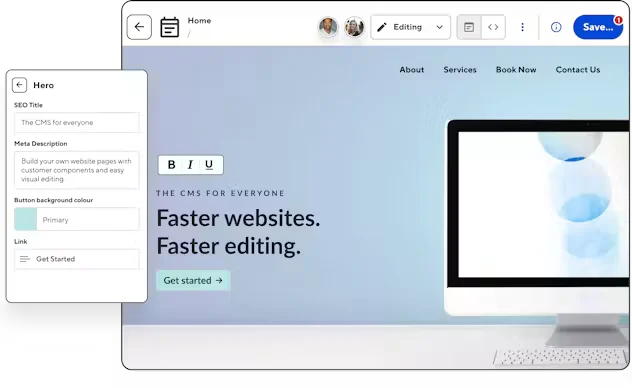
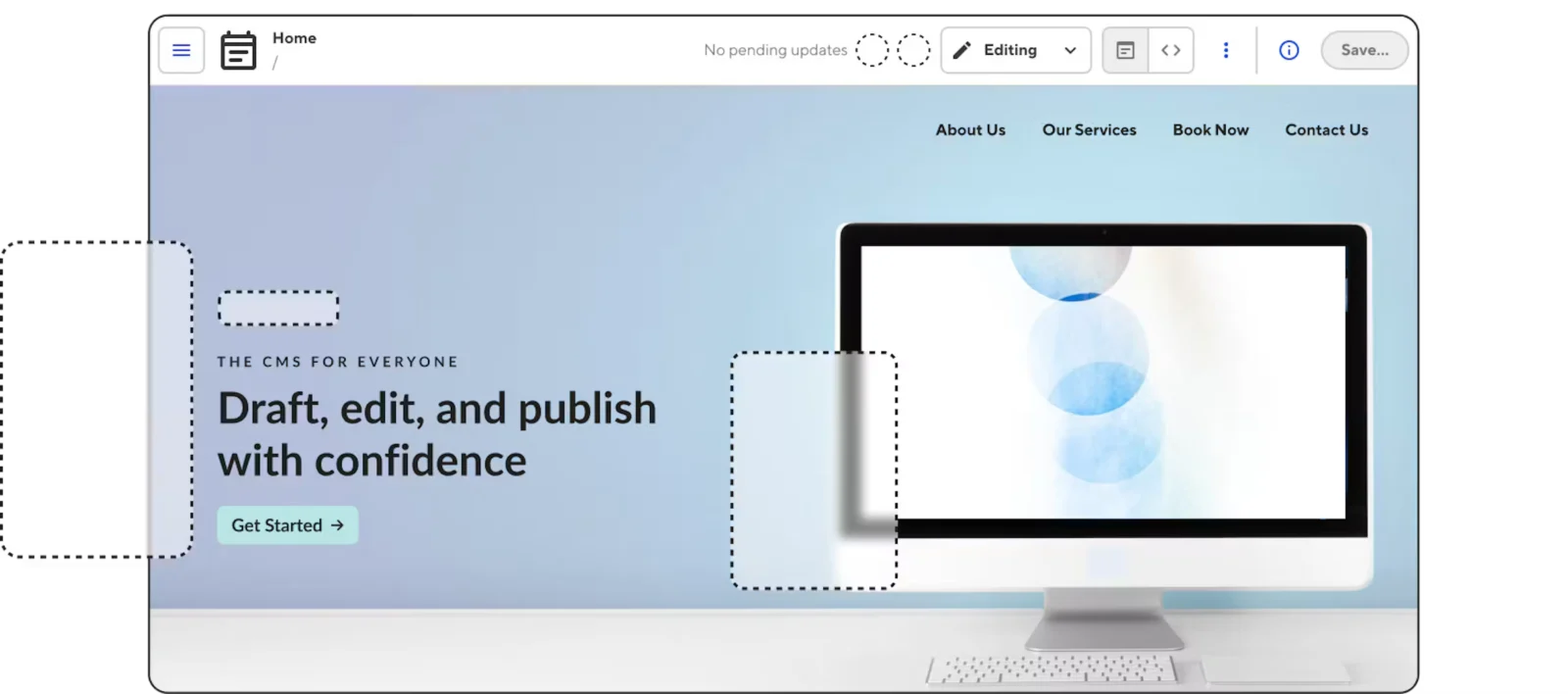
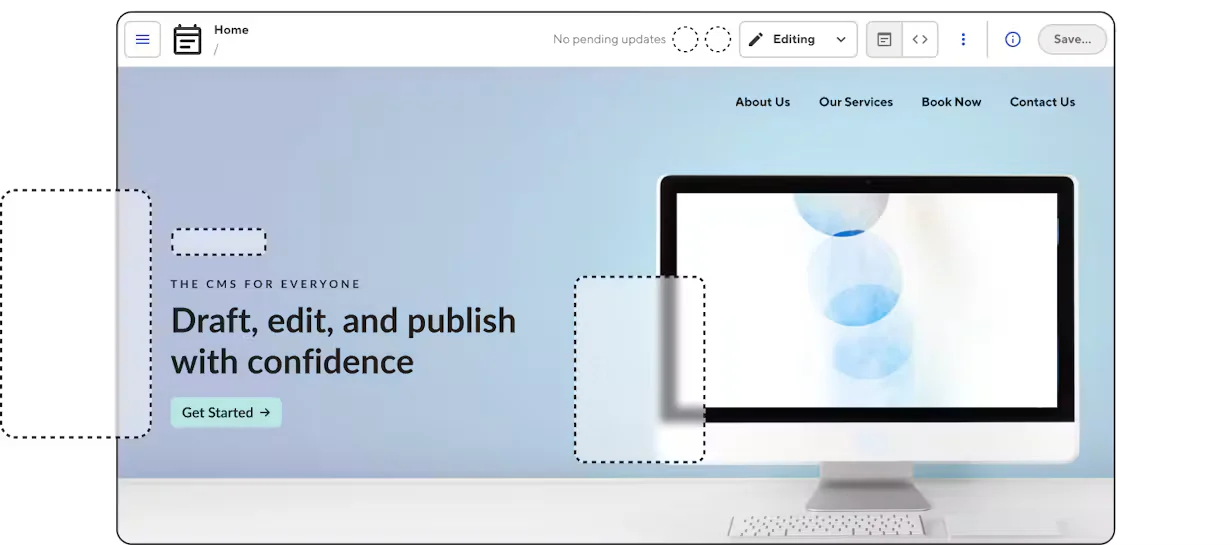
The Visual Editor requires configuration and only works for files that output to a webpage.
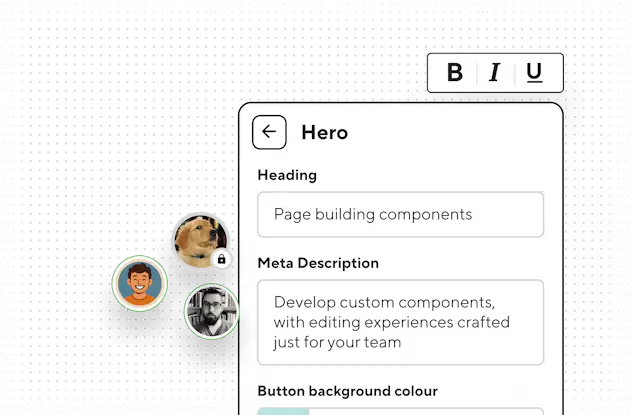
A developer may need to configure editable regions and fields before nontechnical editors can use the intended workflow.
Evidence source ↗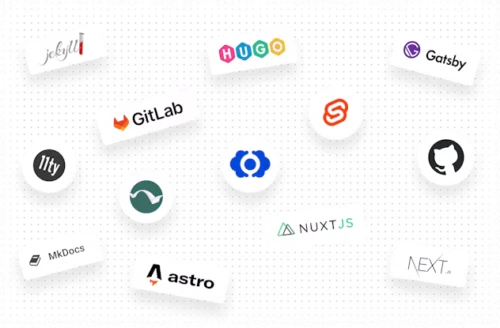
CloudCannon is a Git-based CMS for editing and publishing websites built with static site generators. It offers visual editing, repository sync, builds, and optional hosting.
The feature assessment reflects verified visual and structured editing, Git workflows, APIs, and optional hosting. G2 lists 45 reviews and a 4.8 average; public review excerpts were limited, so other scores are editorial assessments rather than hands-on test results.
This profile combines documented product information and independent evidence where available. It is not a hands-on test unless TechZella explicitly identifies one.
A quick way to understand who this product may suit, where its limits matter, and which facts are most relevant before you compare alternatives.
Web teams and digital agencies that build static or statically generated websites and want editors to update content through a visual interface while keeping files and changes in Git.
Teams that need a turnkey CMS for a conventional dynamic website, or that lack developer resources to configure their site, content fields, and visual editing experience.
Bitbucket, GitHub, GitLab, SaaS, Web
8.1/10
CloudCannon is a Git-based content management system for websites built with static site generators and related web frameworks. Teams connect a repository, configure the editing experience, and let editors work with content through browser-based interfaces.
The product can build and host sites, or support headless workflows where the customer hosts the generated site elsewhere. Its approach suits teams that want content changes and website files to remain part of a Git-based development workflow.
These are the product-specific differences that may matter when deciding whether the software fits your workflow. They are based on documented evidence rather than a universal ranking.
These are documented constraints or practical friction points that may matter before you adopt the product.
A developer may need to configure editable regions and fields before nontechnical editors can use the intended workflow.
Evidence source ↗Teams with many editors or client collaborators should include per-person charges in their plan estimate.
Evidence source ↗The organization, sites, and files remain intact, but users must add billing or choose another plan to resume service.
Evidence source ↗Three users, unlimited sites, Git syncing, visual editing, and standard support. A 21-day trial is listed.
Check current pricing →Fifteen users, unlimited sites, and priority support, with additional team workflow features. A 21-day trial is listed.
Check current pricing →Custom pricing for large organizations with advanced compliance and security requirements.
Check current pricing →Partner-only plan described as pay-as-you-go, with unlimited sites and basic features.
Check current pricing →Pricing may change. Verify current plans on the vendor's website.
CloudCannon is most relevant when a team wants browser-based visual editing combined with a Git-centered website workflow. Buyers comparing CMS options should verify whether their existing framework, hosting architecture, and editing model fit that approach. This research did not establish enough comparable, current pricing and feature evidence to recommend named alternatives.
| Product model | Git-based CMS |
|---|---|
| Deployment | SaaS; CloudCannon-hosted or headless/external hosting |
| Git providers | GitHub, GitLab, Bitbucket |
| API | Platform API, CLI, and TypeScript SDK |
| Supported site configurations | Includes Astro, Eleventy, Gatsby, Hugo, Jekyll, Next.js, Nuxt.js, SvelteKit, and others |
| Standard users | 3 included; additional users or site shares listed at $10 per person |
| Trial | 21 days for new organizations; no payment details required to start |
| Hosting bandwidth | Lite 20 GB; Standard 110 GB; Team 700 GB |
Verified installation, hosting, administration, or environment details that can affect implementation.
| Hosting | CloudCannon can build and host static sites, or run builds and commit output for sites hosted on the customer's infrastructure. Headless mode disables CloudCannon builds. Source ↗ |
|---|---|
| Repository connections | Official setup documentation lists GitHub, GitLab, and Bitbucket as supported Git providers. Source ↗ |
Documented portability, standards, export, or switching considerations. No switching-cost score is shown unless the evidence supports one.
CloudCannon describes content as remaining in the connected Git repository; its documentation also says users can access code and content when a subscription is paused or canceled.
Evidence source ↗A proprietary editorial score based on product capabilities, usability, value, performance, support and user sentiment evidence.
The feature assessment reflects verified visual and structured editing, Git workflows, APIs, and optional hosting. G2 lists 45 reviews and a 4.8 average; public review excerpts were limited, so other scores are editorial assessments rather than hands-on test results.
Methodology v1.0. The assessment weighs feature coverage (25%), ease of use (15%), value for money (20%), performance (15%), support (10%) and user sentiment (15%), using researched product evidence and verified review evidence where available. It is a TechZella editorial assessment, not a direct user-review average.
Key claims are linked to the sources used to verify them. This evidence record is separate from third-party user ratings.
TechZella evaluates software using documented product capabilities, pricing information, usability and value considerations, independent user evidence where available, and competitive context. The assessment is an editorial review, not a hands-on test unless one is explicitly identified. Our editorial assessment is based on 6 documented sources.
The company history page states that CloudCannon was founded in 2013.
View source ↗Verified 2026-10-12The pricing page lists 21-day trials; trial documentation explains that new organizations start with a trial without entering payment details.
View source ↗Verified 2026-10-12The developer reference describes the API, CLI, and typed SDK for managing organizations, projects, sites, builds, and other resources.
View source ↗Verified 2026-10-12Documentation lists supported generator settings, including Astro, Eleventy, Gatsby, Hugo, Jekyll, Next.js, Nuxt.js, and SvelteKit.
View source ↗Verified 2026-10-12Official site settings documentation defines hosted mode with builds and previews, and headless mode for dynamic or externally hosted sites.
View source ↗Verified 2026-10-12The current pricing page lists three users and unlimited sites for Standard.
View source ↗Verified 2026-10-12User documentation describes Visual, Content, Data, and Source editing interfaces and notes that availability depends on file type and site configuration.
View source ↗Verified 2026-10-12No reviews yet. Be the first to share your experience.
Please log in to submit a review.
Does CloudCannon have an API? Yes. Its developer documentation describes an API, CLI, and TypeScript SDK for programmatic management of organizations, projects, sites, builds, and related resources.
Which Git providers does it support? Setup documentation lists GitHub, GitLab, and Bitbucket.
Is there a free trial? CloudCannon documents a 21-day trial for new organizations. The trial starts without payment details; if no payment method is added by the end, the subscription is paused.
Can CloudCannon host a website? Yes. It offers hosted builds and hosting for static sites, and documentation also describes headless mode for externally hosted or dynamic sites.
Does CloudCannon work with every static site generator? It lists many supported generator configurations, but buyers should confirm their specific build process and editing requirements before migration.