
Commercial use needs a separate written license.
Organizations should confirm licensing eligibility and obtain a quote before deploying ChimeraX for commercial work.
Evidence source ↗
ChimeraX is desktop software for visualizing and analyzing molecular structures, density maps, sequences, microscopy data, and related scientific models.
Published research documents broad molecular, sequence, and volume-data analysis, cross-platform availability, and an extensible Python interface. Commercial licensing requires separate discussion. No verified third-party rating or review count was found.
This profile combines documented product information and independent evidence where available. It is not a hands-on test unless TechZella explicitly identifies one.
ChimeraX is a UCSF-developed desktop application for interactive visualization and analysis of molecular structures and associated scientific data. Its documented scope includes atomic structures, sequences, density maps, microscopy volumes, and medical imaging.
Research publications describe tools for fitting and comparing structures, examining molecular interactions, modifying models, and creating figures or movies. Its desktop distribution and research-focused license make it most directly relevant to academic and scientific workflows.
A quick way to understand who this product may suit, where its limits matter, and which facts are most relevant before you compare alternatives.
Academic and research teams that need desktop analysis of molecular structures alongside cryo-EM maps, sequences, microscopy, or medical-imaging data.
Commercial users who need a published self-service price or browser-hosted product. Commercial use requires a separate written license, and the reviewed sources did not establish a free trial, and should evaluate alternatives such as PyMOL or VMD instead.
Desktop, Linux, macOS, Python, Windows
7.0/10
These are the product-specific differences that may matter when deciding whether the software fits your workflow. They are based on documented evidence rather than a universal ranking.
These are documented constraints or practical friction points that may matter before you adopt the product.
Organizations should confirm licensing eligibility and obtain a quote before deploying ChimeraX for commercial work.
Evidence source ↗Existing Chimera scripts and sessions may not transfer directly; the ChimeraX team has documented compatibility differences.
Evidence source ↗Free for noncommercial use under the ChimeraX license. Check the license terms for eligibility.
Check current pricing →A separate written commercial license is required. Current commercial pricing was not found in the reviewed project materials.
Check current pricing →Pricing may change. Verify current plans on the vendor's website.
Compare similar products directly, then see which alternatives may make more sense when your requirements differ.
These products address broadly similar requirements. The descriptions focus on documented reasons a buyer might compare them with ChimeraX.
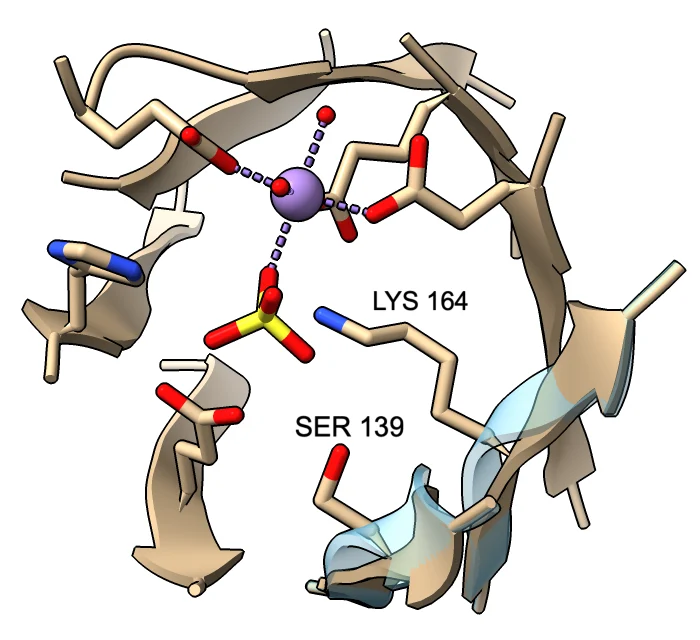
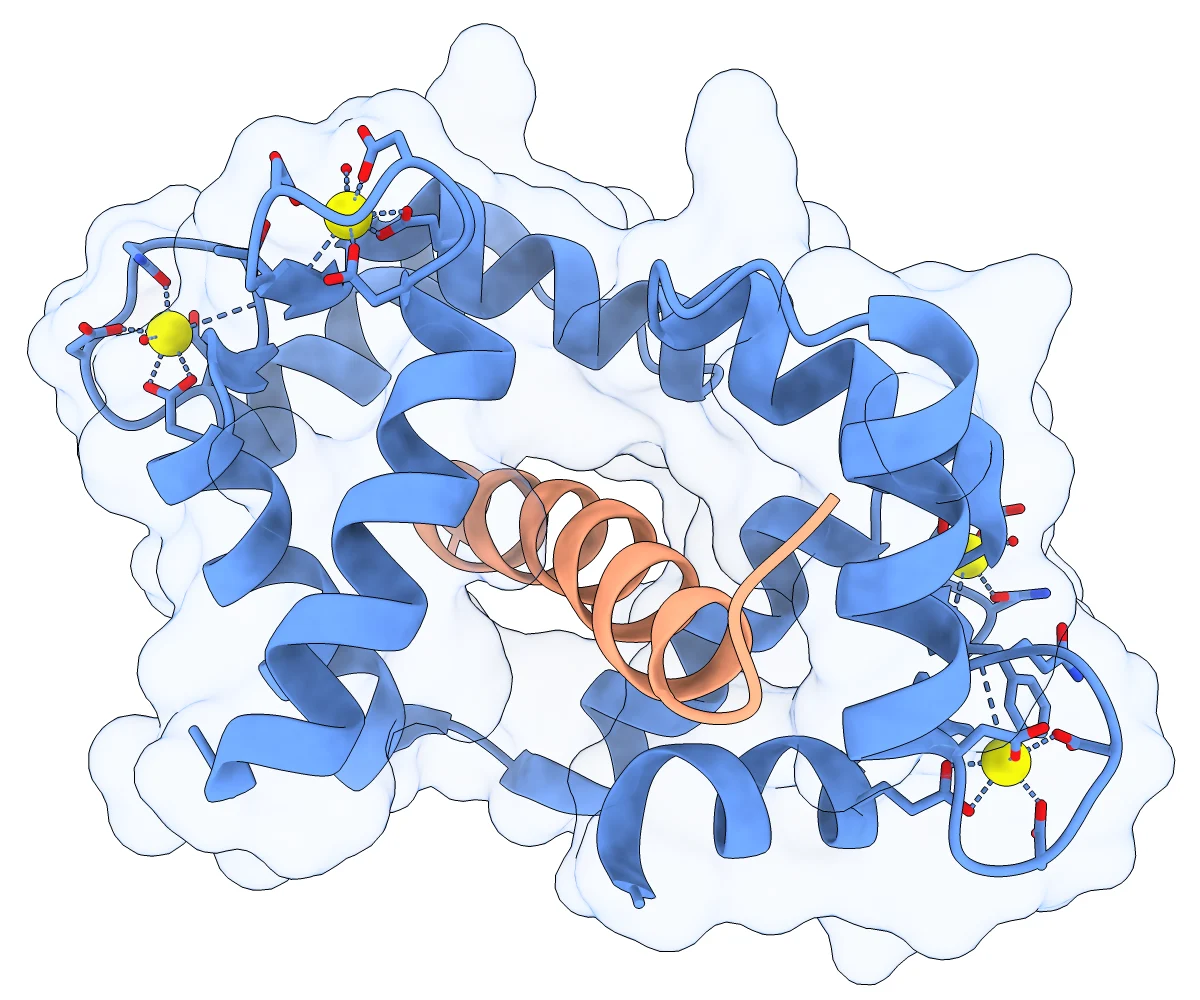
| Operating systems | Windows, macOS, Linux |
|---|---|
| Deployment | Desktop application |
| Programming interface | Python API |
| Commercial licensing | Separate written license; contact UCSF for current terms |
| Free trial | Not verified |
| Vendor | Resource for Biocomputing, Visualization, and Informatics, UCSF |
Verified installation, hosting, administration, or environment details that can affect implementation.
| Installation or hosting | Installable desktop application with builds for Windows, macOS, and Linux; no hosted SaaS deployment was verified. Source ↗ |
|---|---|
| Commercial licensing | Commercial use requires a separate written license; the project directs prospective commercial users to contact the ChimeraX team. Source ↗ |
Documented portability, standards, export, or switching considerations. No switching-cost score is shown unless the evidence supports one.
ChimeraX is a separate successor application. UCSF guidance warns that Chimera Python scripts do not simply work in ChimeraX and describes limited scene-export options.
Evidence source ↗A proprietary editorial score based on product capabilities, usability, value, performance, support and user sentiment evidence.
Published research documents broad molecular, sequence, and volume-data analysis, cross-platform availability, and an extensible Python interface. Commercial licensing requires separate discussion. No verified third-party rating or review count was found.
Methodology v1.0. The assessment weighs feature coverage (25%), ease of use (15%), value for money (20%), performance (15%), support (10%) and user sentiment (15%), using researched product evidence and verified review evidence where available. It is a TechZella editorial assessment, not a direct user-review average.
Key claims are linked to the sources used to verify them. This evidence record is separate from third-party user ratings.
TechZella evaluates software using documented product capabilities, pricing information, usability and value considerations, independent user evidence where available, and competitive context. The assessment is an editorial review, not a hands-on test unless one is explicitly identified. Our editorial assessment is based on 3 documented sources.
The project description identifies proteins, RNA, DNA, lipids, gene sequences, electron-microscopy maps, X-ray maps, light microscopy, and medical-imaging scans.
View source ↗Verified 2026-11-10The project README lists releases for all three desktop operating systems.
View source ↗Verified 2026-11-10The project README describes its programming manual and bundles that can add formats, commands, interfaces, analysis tools, visualization methods, and mouse modes.
View source ↗Verified 2026-11-10The 2020 ChimeraX paper describes these data types, along with repository fetching, structure analysis, map fitting, and image visualization.
View source ↗Verified 2026-11-10The project README states that academic and government use is free and that commercial use requires a fee; the 2018 paper describes noncommercial use as free with commercial use requiring a written agreement.
View source ↗Verified 2026-11-10The Toolshed page describes installing bundles directly through the application and lists tools across categories including structure analysis, electron microscopy, visualization, and modeling.
View source ↗Verified 2026-11-10Yes. The project describes free academic and government use; published materials also identify noncommercial use as free. Commercial use requires a separate license.
Yes. The project README lists releases for all three operating systems.
Yes. The project documents Python APIs and a bundle system for adding commands, interfaces, formats, and analysis tools.
No browser-hosted version was identified in the reviewed product materials. ChimeraX is distributed as desktop software.
Not necessarily. UCSF guidance says Chimera Python scripts are written for the older application and will not work directly in ChimeraX.
No reviews yet. Be the first to share your experience.
Please log in to submit a review.