
Kedro's optional HTTP server has no built-in authentication or authorization.
Add appropriate security controls before exposing the server beyond a trusted environment.
Evidence source ↗
Kedro is an open-source Python framework for building modular, reproducible data science and data engineering pipelines. It provides project structure, pipeline assembly, configuration, and data catalog features.
The open-source framework offers pipeline composition, configurable data catalogs, runners, and deployment integrations. It requires Python development and users to select and operate execution infrastructure. Public third-party review evidence was insufficient to assess user sentiment or vendor support.
This profile combines documented product information and independent evidence where available. It is not a hands-on test unless TechZella explicitly identifies one.
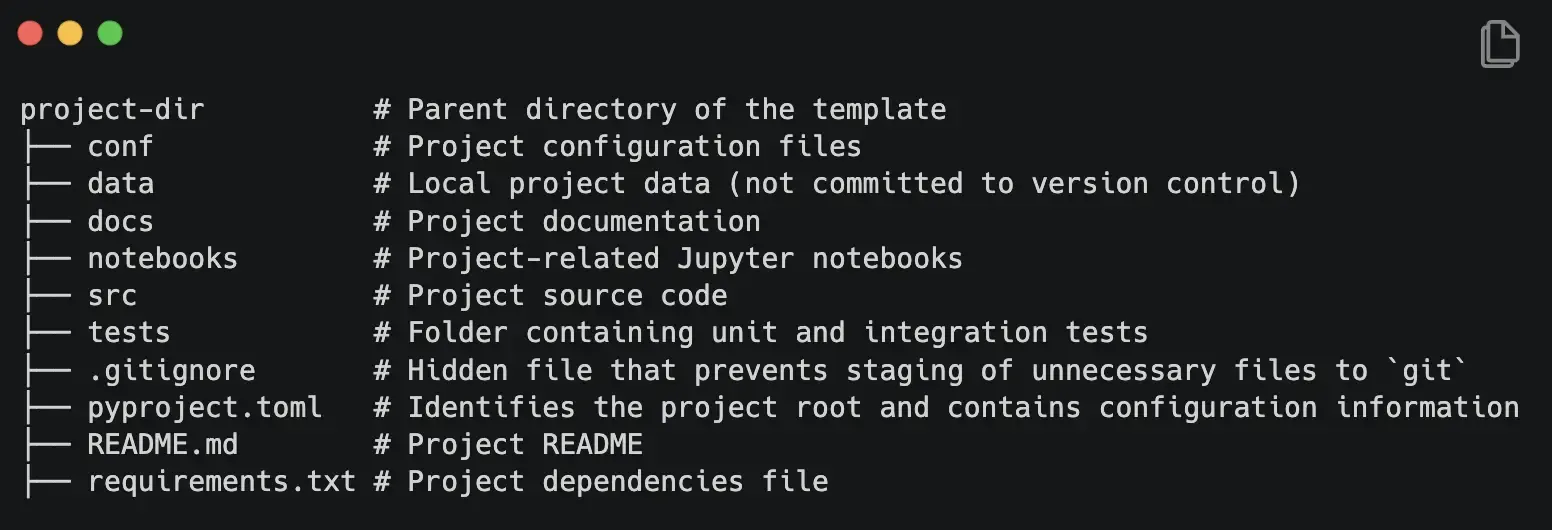
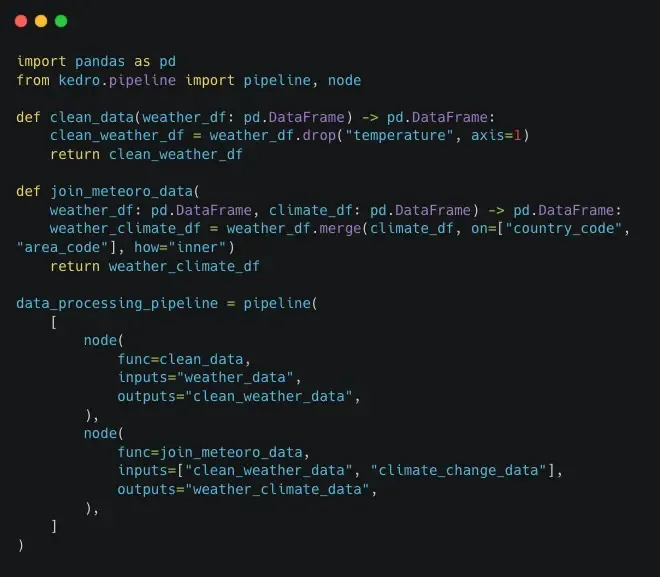
Kedro is an open-source Python framework for structuring data science and data engineering projects. Its project templates, pipeline components, configuration, and Data Catalog help teams organize reusable pipeline code.
Kedro does not itself provide a managed execution service. Teams choose how to run and deploy projects, including documented container and package-based approaches. Airflow and other tools can provide orchestration when needed.
A quick way to understand who this product may suit, where its limits matter, and which facts are most relevant before you compare alternatives.
Python data science and engineering teams that want reusable project structure, explicit pipeline dependencies, and configurable data inputs and outputs.
Teams seeking a managed, no-code pipeline service or an all-in-one hosted scheduler, monitoring system, and execution environment may need additional tools or infrastructure, and should evaluate alternatives such as Dagster or Prefect instead.
AWS, Azure, Docker, Google Cloud, Self-hosted
7.8/10
These are the product-specific differences that may matter when deciding whether the software fits your workflow. They are based on documented evidence rather than a universal ranking.
These are documented constraints or practical friction points that may matter before you adopt the product.
Add appropriate security controls before exposing the server beyond a trusted environment.
Evidence source ↗Projects must install and manage the dataset package and its dependencies for the required connectors.
Evidence source ↗Kedro is an Apache 2.0-licensed open-source Python framework. Infrastructure, optional plugins, and adjacent services are separate considerations.
Check current pricing →Pricing may change. Verify current plans on the vendor's website.
Compare similar products directly, then see which alternatives may make more sense when your requirements differ.
| Decision factor | Kedro | Dagster | Prefect |
|---|---|---|---|
| Core scope | Python framework for structuring data pipelines, cataloging datasets, and executing pipeline nodes. | Orchestration framework with asset definitions, jobs, runs, and an interface for operating pipelines. Source ↗ | Python orchestration engine for workflows, with scheduling, state tracking, and deployment capabilities. Source ↗ |
| Pricing model | Open-source Kedro framework; no paid core plan or official trial identified. | Open-source core plus paid Dagster+ plans; the Solo plan is listed at $10 per month, with usage charges described on its pricing page. Source ↗ | Open-source framework and Prefect Cloud plans; the public pricing page lists a free Hobby tier and paid options. Source ↗ |
| Workflow model | Builds pipelines from nodes and data dependencies, with data access configured through the Data Catalog. | Promotes data asset definitions that describe assets and how to produce or update them. Source ↗ | Defines flows from Python functions and supports Python control flow in workflows. Source ↗ |
Only factors supported by the available research are shown. The comparison is descriptive, not a ranking.
These products address broadly similar requirements. The descriptions focus on documented reasons a buyer might compare them with Kedro.

| License | Apache 2.0 |
|---|---|
| Core language | Python |
| Minimum Python version | 3.10 |
| Deployment | Self-hosted; container, package, or CLI-based approaches documented |
| API | Python API; optional HTTP server with REST endpoints |
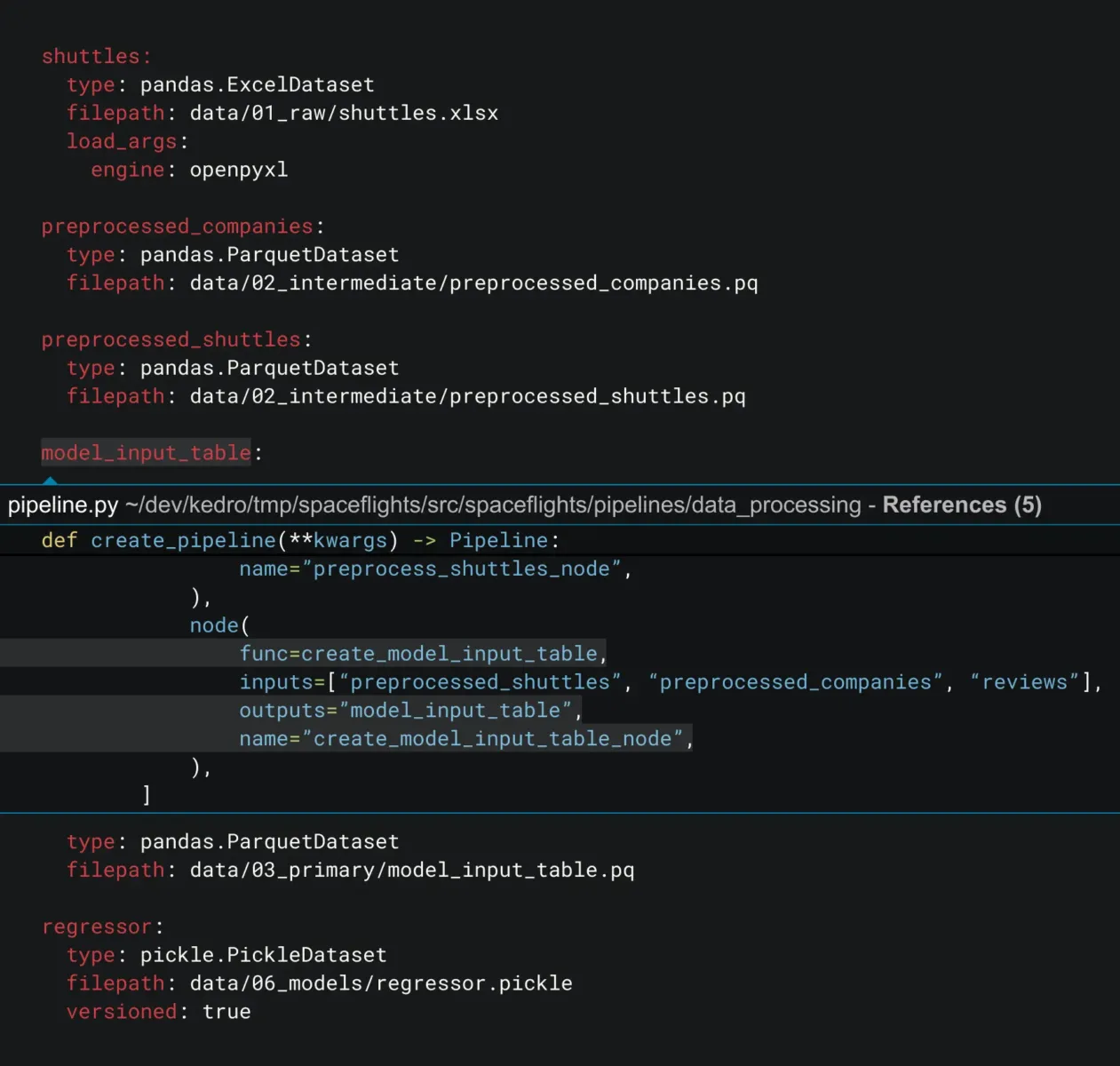
| Data connectors | Provided separately through kedro-datasets |
| Free trial | Not applicable to the open-source framework |
Verified installation, hosting, administration, or environment details that can affect implementation.
| Deployment model | Install and run as a Python package; documented deployment options include containers, Python packages, and CLI-based deployment to a server. Source ↗ |
|---|
Documented portability, standards, export, or switching considerations. No switching-cost score is shown unless the evidence supports one.
The generated wheel contains pipeline source code, while project configuration and data directories are handled separately; deployment requires the relevant project files and dependencies.
Evidence source ↗A proprietary editorial score based on product capabilities, usability, value, performance, support and user sentiment evidence.
The open-source framework offers pipeline composition, configurable data catalogs, runners, and deployment integrations. It requires Python development and users to select and operate execution infrastructure. Public third-party review evidence was insufficient to assess user sentiment or vendor support.
Methodology v1.0. The assessment weighs feature coverage (25%), ease of use (15%), value for money (20%), performance (15%), support (10%) and user sentiment (15%), using researched product evidence and verified review evidence where available. It is a TechZella editorial assessment, not a direct user-review average.
Key claims are linked to the sources used to verify them. This evidence record is separate from third-party user ratings.
TechZella evaluates software using documented product capabilities, pricing information, usability and value considerations, independent user evidence where available, and competitive context. The assessment is an editorial review, not a hands-on test unless one is explicitly identified. Our editorial assessment is based on 5 documented sources.
The project repository describes Kedro as an open-source Python framework and says it is hosted by the foundation.
View source ↗Verified 2026-11-11The documentation explains the catalog file and how it maps dataset names to catalog entries.
View source ↗Verified 2026-11-11The single-machine deployment guide describes all three methods.
View source ↗Verified 2026-11-11The serving guide documents HTTP access to Kedro projects and describes the server interface and limitations.
View source ↗Verified 2026-11-11The official GitHub releases page lists version 1.7.0 with its release date and notes changes to the HTTP server and LLM context features.
View source ↗Verified 2026-11-11Answers begin with the clearest available response, followed by the context that helps you act on it.
No reviews yet. Be the first to share your experience.
Please log in to submit a review.