
Only Splunk On-Call admin users can create API keys.
Teams need an administrator involved when setting up integrations or API-based workflows that require keys.
Evidence source ↗
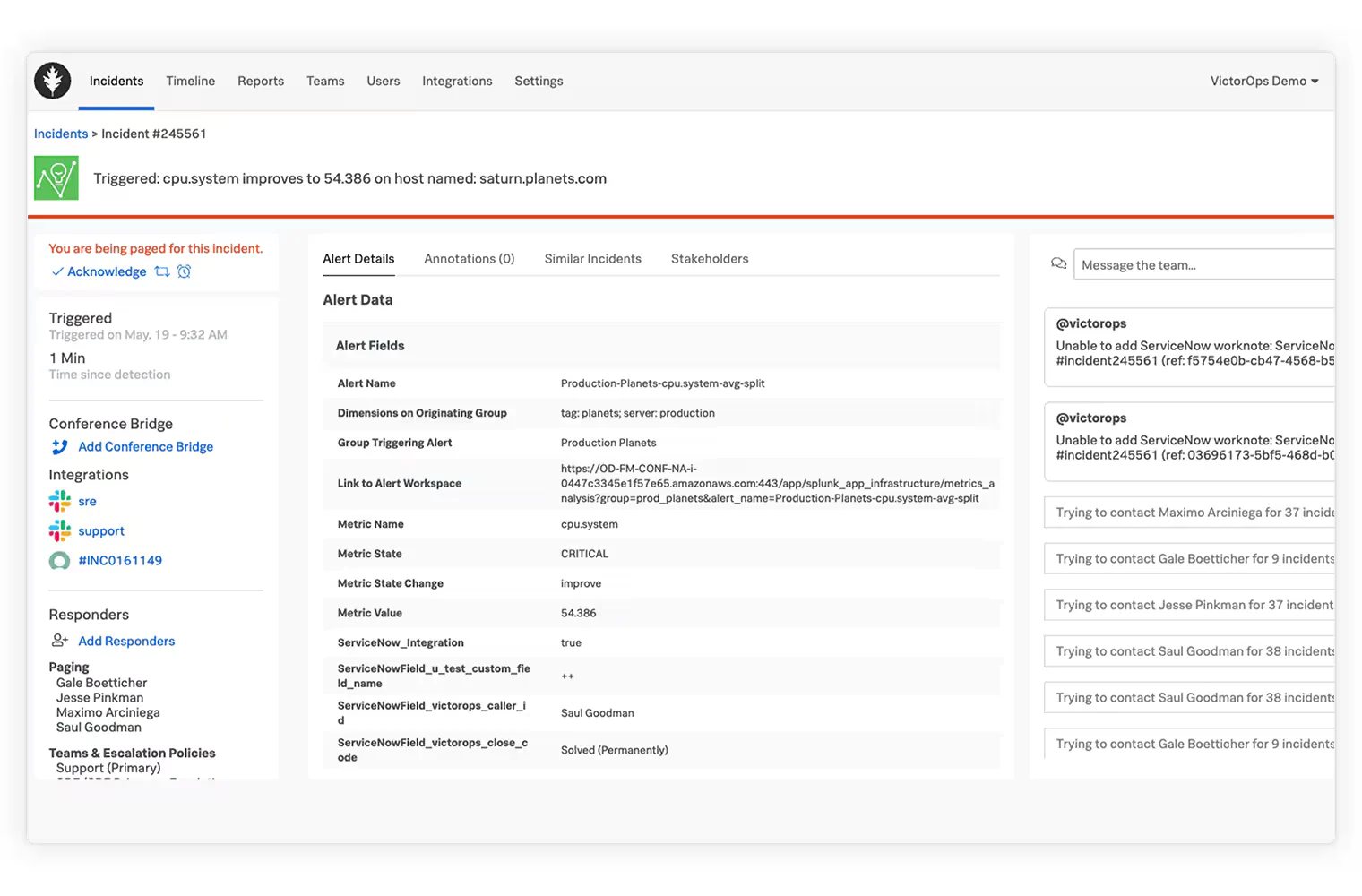
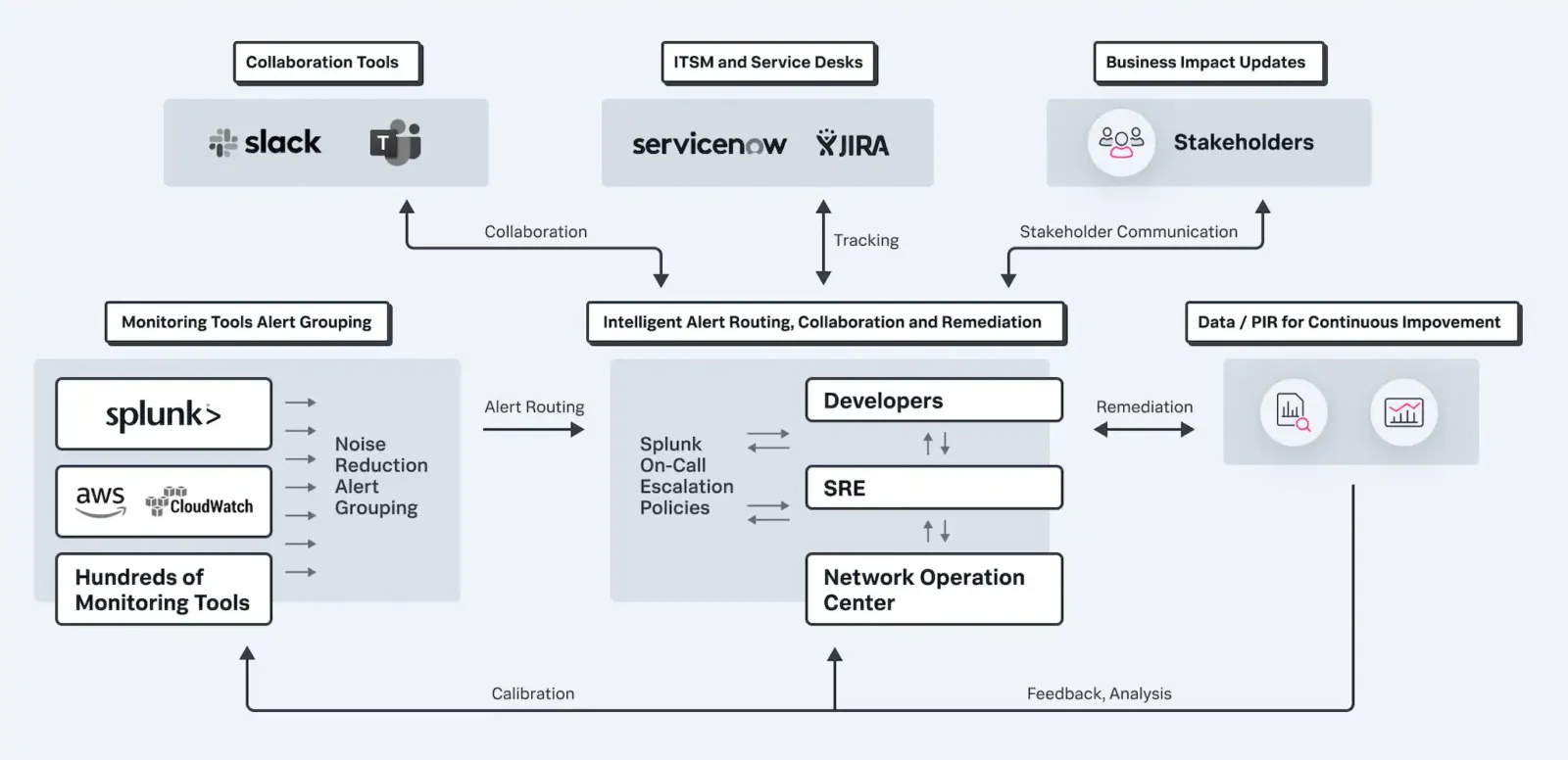
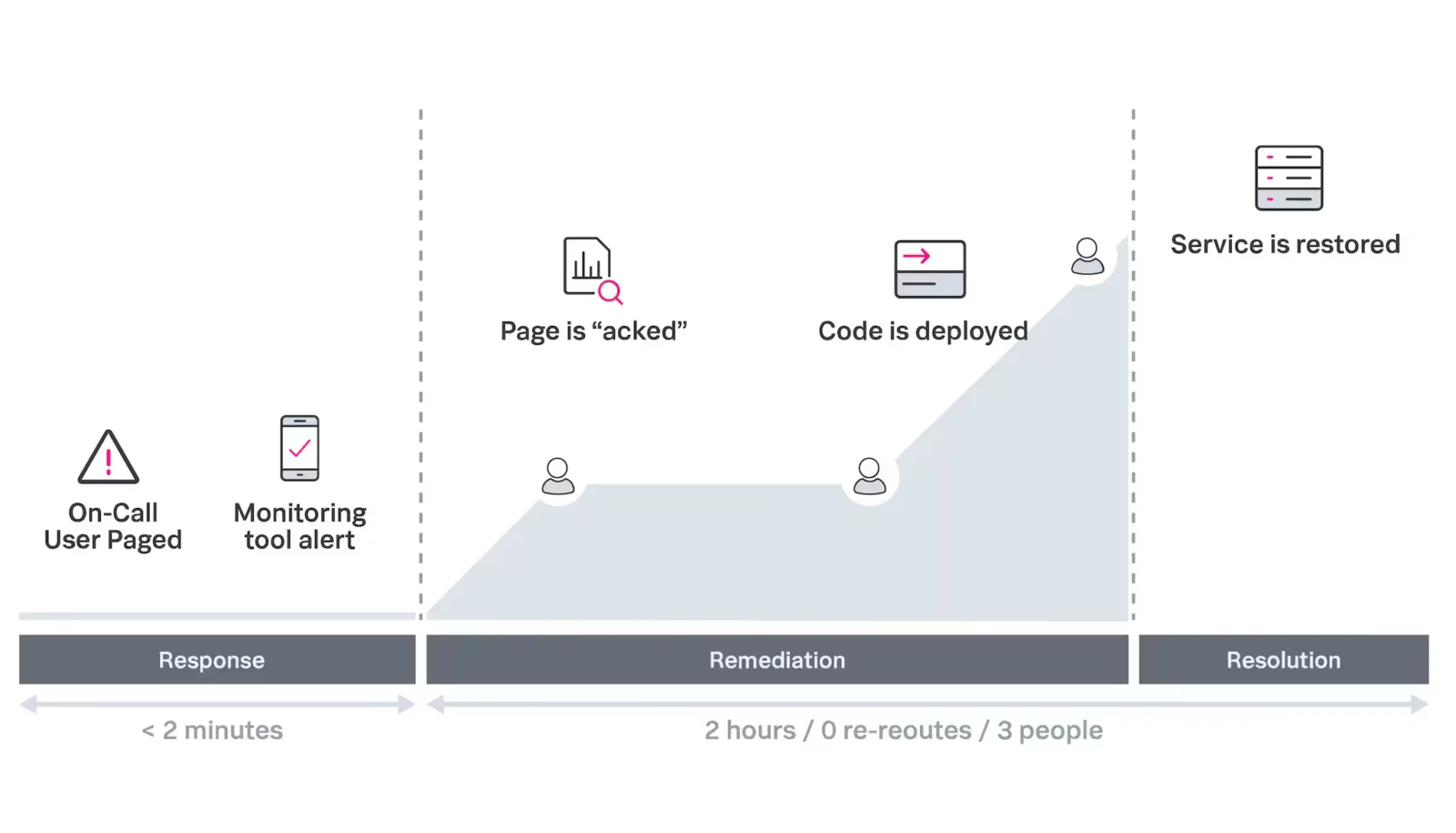
VictorOps, now Splunk On-Call, routes operational alerts, manages on-call schedules and escalations, and supports incident collaboration.
The feature assessment reflects documented scheduling, alert routing, mobile response, rules, integrations, and API support. Ease and sentiment scores are cautious editorial assessments informed by limited public review evidence, not hands-on testing.
This profile combines documented product information and independent evidence where available. It is not a hands-on test unless TechZella explicitly identifies one.
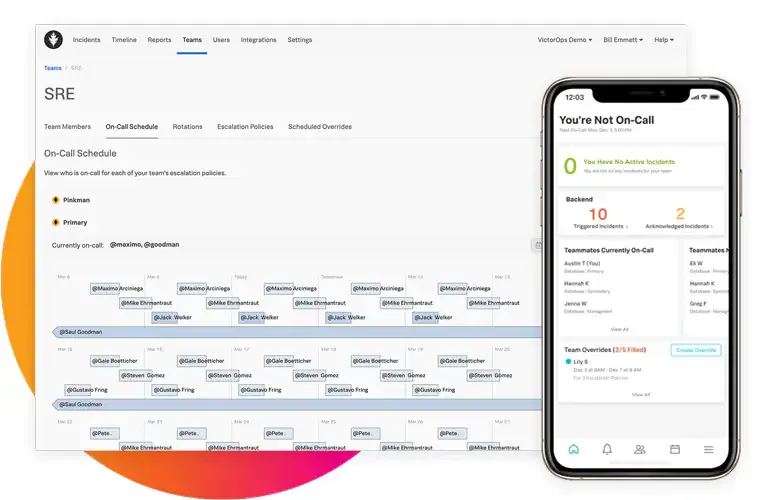
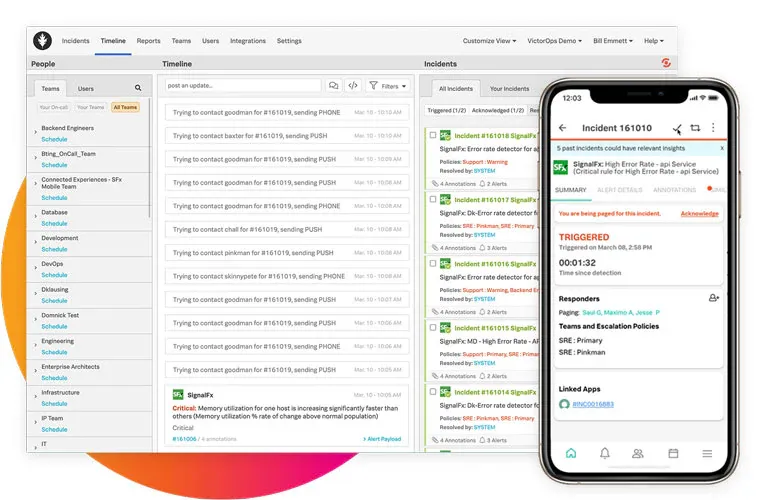
VictorOps is the former name of Splunk On-Call, Splunk’s incident response and on-call management product. It routes alerts to responders, supports schedules and escalation policies, and provides incident collaboration through web and mobile clients.
Splunk’s current pricing page lists a starting price of $5 per user per month, billed annually, for up to 10 seats. The product is available for a 14-day trial with up to 10 user seats.
A quick way to understand who this product may suit, where its limits matter, and which facts are most relevant before you compare alternatives.
Technology operations and software teams that need centralized alert routing, on-call schedules, escalation policies, and responder collaboration across web and mobile.
Buyers seeking a free ongoing plan or a fully transparent, detailed public plan comparison may need to evaluate alternatives; Splunk publishes a starting price but directs buyers to sales for purchasing, and should evaluate alternatives such as PagerDuty or incident.io instead.
Android, Cloud, iOS, REST API, Web
7.7/10
These are the product-specific differences that may matter when deciding whether the software fits your workflow. They are based on documented evidence rather than a universal ranking.
These are documented constraints or practical friction points that may matter before you adopt the product.
Teams need an administrator involved when setting up integrations or API-based workflows that require keys.
Evidence source ↗The organization may need to contact Splunk On-Call Support to prevent or resolve interruption.
Evidence source ↗Starting price for up to 10 seats. Splunk directs buyers to request a quote for purchasing details.
Check current pricing →Trial includes up to 10 user seats.
Check current pricing →Pricing may change. Verify current plans on the vendor's website.
Compare similar products directly, then see which alternatives may make more sense when your requirements differ.
| Decision factor | VictorOps | PagerDuty | incident.io |
|---|---|---|---|
| Pricing model | Starting at $5 per user per month, billed annually, for up to 10 seats; quote required. | Incident Management has a free tier for up to five users; Professional is listed at $21 per user per month billed annually. Source ↗ | Standalone On-call is listed at $20 per user per month; Team and Pro incident-response plans list on-call as an additional per-user charge. Source ↗ |
| Core scope | On-call schedules, escalation policies, incident routing, collaboration, and reporting. | Incident Management pricing includes on-call schedules, escalation policies, incident response, and plan-dependent collaboration and review features. Source ↗ | Incident response coordination is packaged with plan-dependent on-call, workflows, status pages, and post-incident features. Source ↗ |
Only factors supported by the available research are shown. The comparison is descriptive, not a ranking.
These products address broadly similar requirements. The descriptions focus on documented reasons a buyer might compare them with VictorOps.
| Deployment | Online software service |
|---|---|
| Mobile apps | iOS and Android |
| API | Splunk On-Call API and separate generic REST alert endpoint |
| Trial | 14 days, up to 10 user seats |
| Starting price | $5 per user per month, billed annually, up to 10 seats |
Verified installation, hosting, administration, or environment details that can affect implementation.
| Hosting | Splunk describes On-Call as an online software service; the researched product pages document a web interface and mobile apps. Source ↗ |
|---|---|
| Mobile clients | Splunk documents native iOS and Android applications. Source ↗ |
A proprietary editorial score based on product capabilities, usability, value, performance, support and user sentiment evidence.
The feature assessment reflects documented scheduling, alert routing, mobile response, rules, integrations, and API support. Ease and sentiment scores are cautious editorial assessments informed by limited public review evidence, not hands-on testing.
Methodology v1.0. The assessment weighs feature coverage (25%), ease of use (15%), value for money (20%), performance (15%), support (10%) and user sentiment (15%), using researched product evidence and verified review evidence where available. It is a TechZella editorial assessment, not a direct user-review average.
Key claims are linked to the sources used to verify them. This evidence record is separate from third-party user ratings.
TechZella evaluates software using documented product capabilities, pricing information, usability and value considerations, independent user evidence where available, and competitive context. The assessment is an editorial review, not a hands-on test unless one is explicitly identified. Our editorial assessment is based on 6 documented sources.
A Splunk employee profile identifies VictorOps as founded in 2012 and notes Splunk's 2018 acquisition.
View source ↗Verified 2026-11-08Splunk's product page identifies Splunk On-Call as the updated name for VictorOps.
View source ↗Verified 2026-11-08Splunk's pricing page displays this starting price and seat qualification.
View source ↗Verified 2026-11-08Splunk's download page states the trial duration and seat limit.
View source ↗Verified 2026-11-08Splunk's documentation describes the endpoint, request format, and supported incident actions.
View source ↗Verified 2026-11-08The official product page describes native apps, and the mobile settings guide links to both app stores.
View source ↗Verified 2026-11-08Answers begin with the clearest available response, followed by the context that helps you act on it.
No reviews yet. Be the first to share your experience.
Please log in to submit a review.