Editorial overview
Aggregated Overview
Official documentation verifies CFD, adjoint, mesh-adaptation, Python automation, and optimization capabilities. The software is free, but command-line operation, mesh preparation, and build dependencies require technical work. No qualifying public review ratings were verified.
This profile combines documented product information and independent evidence where available. It is not a hands-on test unless TechZella explicitly identifies one.
Overview
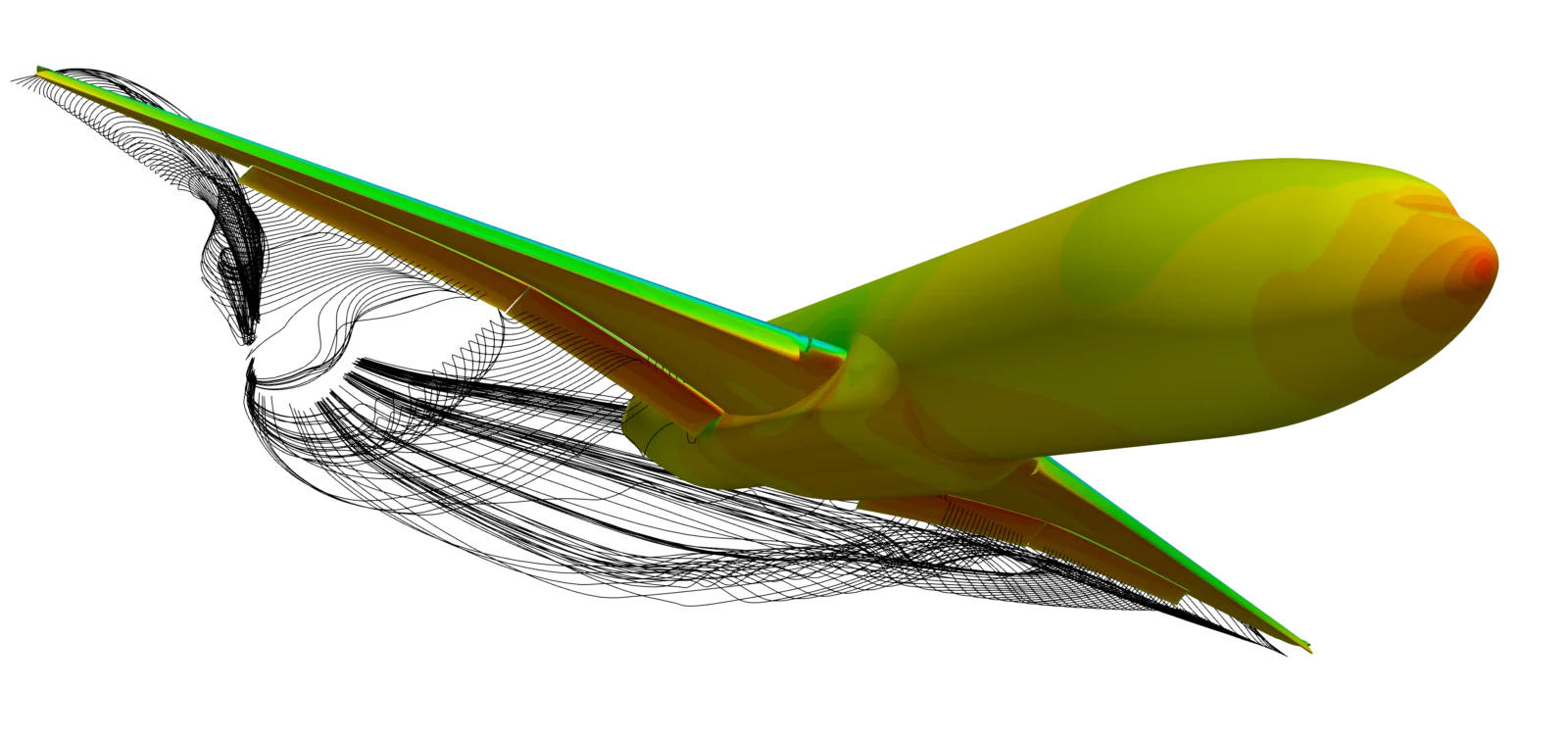
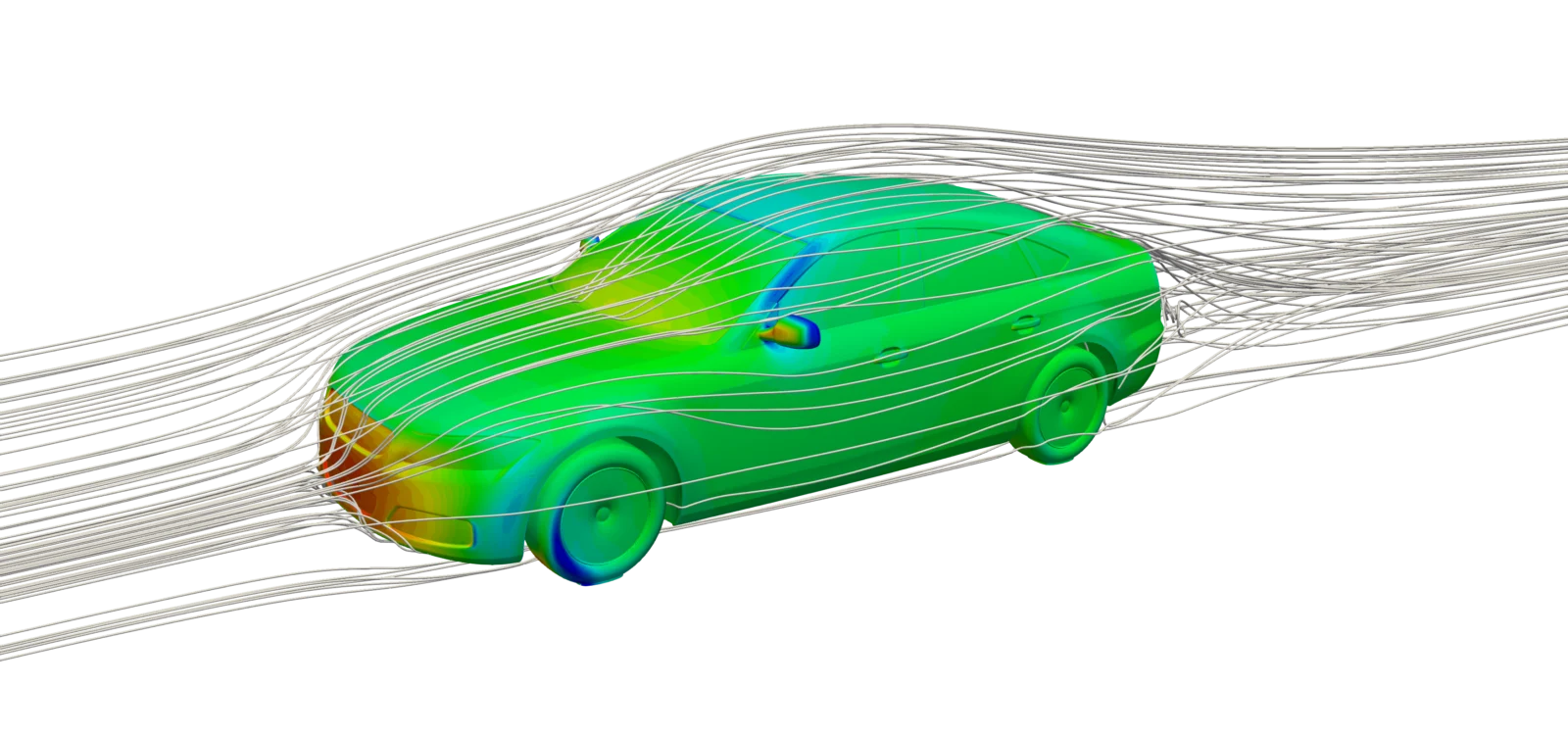
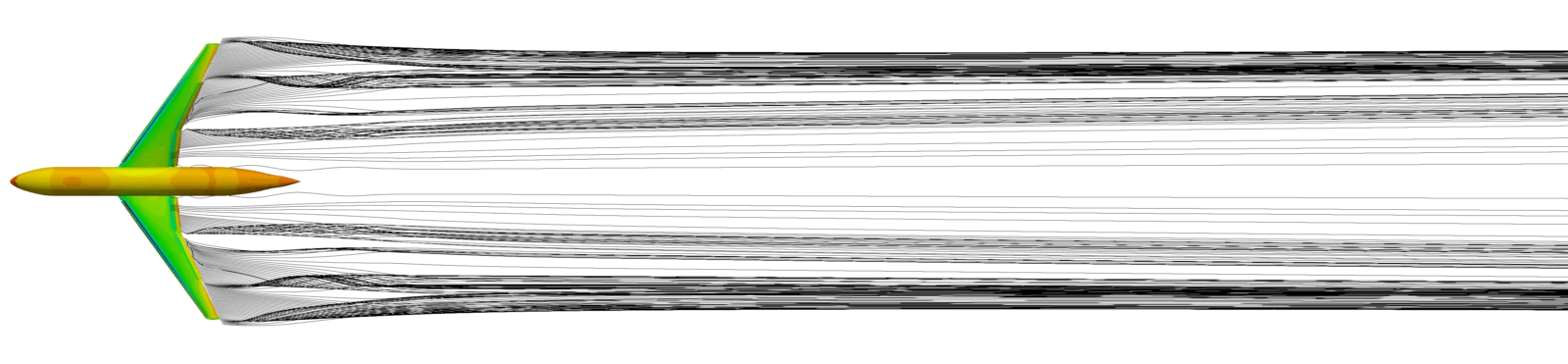
SU2 is an open-source suite of C++ tools for computational fluid dynamics, partial differential equation analysis, and PDE-constrained optimization. Its documented use includes aerodynamic analysis and shape design, with extensible solvers for other governing equations.
The workflow is technical: users configure problems, supply meshes, and run solver modules from a command line. Python scripts coordinate tasks such as shape optimization and parallel computation. Official downloads include Linux, macOS, and Windows builds.
SU2 Decision Snapshot
A quick way to understand who this product may suit, where its limits matter, and which facts are most relevant before you compare alternatives.
Best suited toResearchers and engineering teams seeking an open-source CFD solver, particularly for aerodynamic analysis and adjoint-based shape optimization, who can prepare meshes and manage command-line workflows.
Look elsewhere ifTeams needing an integrated graphical preprocessor, built-in mesh generation, or vendor-backed commercial support may prefer a commercial simulation environment, and should evaluate alternatives such as OpenFOAM instead.
PlatformsLinux, macOS, Python, Windows
TechZella assessment7.2/10
SU2 — What Sets It Apart?
These are the product-specific differences that may matter when deciding whether the software fits your workflow. They are based on documented evidence rather than a universal ranking.
- Combines CFD solvers with adjoint calculations and Python-driven shape-optimization workflows in one open-source suite.
- The latest release adds GPU-enabled linear-solver updates, a pressure-based incompressible solver, and multi-zone adjoint support for turbomachinery.
Editorial assessmentSU2 Pros & Cons
Pros
- Free and open source under LGPL 2.1.
- Combines CFD analysis with adjoint and shape-optimization workflows.
- Official builds are listed for Linux, macOS, and Windows.
- Includes Python scripts for automating advanced solver tasks.
Cons
- Users must provide or generate their own meshes.
- Discrete-adjoint functionality is not included in official binary executables.
- Parallel runs require MPI installation and setup.
- The documented workflow relies on command-line modules and configuration files.
SU2 Gotchas & Operational Limits
These are documented constraints or practical friction points that may matter before you adopt the product.
Discrete-adjoint functionality is unavailable in the official binary executables.
Users planning adjoint optimization should budget for a source build and its setup rather than assuming a downloaded binary provides every capability.
Evidence source ↗SU2 is a solver suite, not a complete geometry-to-results environment; users must supply meshes.
Mesh preparation and conversion are separate workflow responsibilities and may require additional tools.
Evidence source ↗MPI is an external requirement for distributed-memory parallel runs.
Parallel users need to install and configure a compatible MPI implementation, such as those identified by the download page.
Evidence source ↗SU2 Pricing & Plans
SU2
$0
perpetual
Free software distributed under the GNU Lesser General Public License, version 2.1.
Check current pricing →Pricing may change. Verify current plans on the vendor's website.
Cost contextTotal Cost & Hidden Costs
Additional costs or implementation requirements that are documented in the available evidence.
Implementation and onboarding time
No paid onboarding price is listed. Users should account for configuring the software, preparing a mesh, and learning its command-line and configuration-file workflow; the project provides tutorials.
Evidence source ↗Hosting and compute infrastructure
SU2 is installed and run locally or on user-managed compute; the project does not list a hosted subscription. Hardware and cluster costs are not specified by the project.
Evidence source ↗Dependencies and optional tools
Parallel execution requires MPI. Mesh generation and result visualization may require separate tools; the installation guide names options but does not state their costs.
Evidence source ↗License and recurring fees
The project states SU2 is freely available under LGPL 2.1. No subscription, seat minimum, or overage fee is listed on the official download page.
Evidence source ↗SU2 Competitors & Alternatives
Compare similar products directly, then see which alternatives may make more sense when your requirements differ.
At a glance
Open Source SoftwareOnly factors supported by the available research are shown. The comparison is descriptive, not a ranking.
Direct competitors
These products address broadly similar requirements. The descriptions focus on documented reasons a buyer might compare them with SU2.
CapabilitiesSU2 Features
CFD and PDE analysis
- Direct, adjoint, and linearized solver modules
- Flow analysis for documented equation sets
- Grid adaptation module
Design and automation
- Adjoint-based objective gradients
- Python shape-optimization workflow
- Python scripts for parallel computation
Installation and integration
- Linux, macOS, and Windows builds
- MPI-enabled builds
- Native SU2 mesh format and documented CGNS input support
- Command-line module execution
SU2 Specifications
| License | GNU Lesser General Public License 2.1 |
|---|
| Latest listed release | 8.6.0, published October 30, 2026 |
|---|
| Operating systems | Linux, macOS, Windows |
|---|
| API and scripting | Python scripts and wrapper; C++ solver modules |
|---|
| Parallel execution | MPI-enabled builds; MPI installation required |
|---|
| Mesh | Native .su2 format; documented limited CGNS input support |
|---|
| Interface | Command line and configuration files |
|---|
| Free trial | Not applicable; software is freely available |
|---|
Exit planningMigration & Lock-In
Documented portability, standards, export, or switching considerations. No switching-cost score is shown unless the evidence supports one.
Mesh portability
SU2 uses its native .su2 mesh format and documents limited CGNS input support. Users may need to convert meshes created in other tools.
Evidence source ↗Our evidence-based assessmentTechZella Score
A proprietary editorial score based on product capabilities, usability, value, performance, support and user sentiment evidence.
7.2/10Moderate confidence
Official documentation verifies CFD, adjoint, mesh-adaptation, Python automation, and optimization capabilities. The software is free, but command-line operation, mesh preparation, and build dependencies require technical work. No qualifying public review ratings were verified.
Methodology v1.0. The assessment weighs feature coverage (25%), ease of use (15%), value for money (20%), performance (15%), support (10%) and user sentiment (15%), using researched product evidence and verified review evidence where available. It is a TechZella editorial assessment, not a direct user-review average.
Editorial transparency
Our Review Methodology
Key claims are linked to the sources used to verify them. This evidence record is separate from third-party user ratings.
TechZella evaluates software using documented product capabilities, pricing information, usability and value considerations, independent user evidence where available, and competitive context. The assessment is an editorial review, not a hands-on test unless one is explicitly identified. Our editorial assessment is based on 4 documented sources.
What TechZella adds- Combines CFD solvers with adjoint calculations and Python-driven shape-optimization workflows in one open-source suite.
- The latest release adds GPU-enabled linear-solver updates, a pressure-based incompressible solver, and multi-zone adjoint support for turbomachinery.
Important limitations- SU2 requires users to provide a suitable mesh; its installation documentation directs users to external grid-generation tools or compatible formats.
- The official binary builds do not include discrete-adjoint functionality, so users needing it must build SU2 from source.
- Running parallel jobs requires a compatible MPI implementation, and binary builds may require additional platform-specific setup.
Evidence-backed claimsSU2 is freely available under LGPL 2.1.The official download page states the license and provides downloads and source-code access.
View source ↗Verified 2026-11-10The official download page lists release 8.6.0, published October 30, 2026.The release table identifies v8.6.0 and lists the publication date for Linux, macOS, and Windows builds.
View source ↗Verified 2026-11-10The official binary executables do not provide discrete-adjoint functionality.The download page explicitly excludes discrete adjoint from the binary executable option.
View source ↗Verified 2026-11-10SU2's shape-optimization workflow coordinates solver, adjoint, mesh deformation, and optimization steps.The documentation describes the Python shape-optimization script and its flow, gradient, and mesh-deformation workflow.
View source ↗Verified 2026-11-10SU2 expects users to provide meshes and documents external mesh-generation options.The installation documentation explains that users need a means of generating meshes and names external grid-generation tools.
View source ↗Verified 2026-11-10SU2 supports command-line execution and parallel operation when compiled with MPI support.The execution documentation shows command-line module calls and MPI-based parallel execution.
View source ↗Verified 2026-11-10SU2 8.6.0 added GPU-related linear-solver updates and a pressure-based incompressible solver.The GitHub release notes list these among v8.6.0 changes.
View source ↗Verified 2026-11-10 Common questionsSU2 FAQs
Answers begin with the clearest available response, followed by the context that helps you act on it.
Is SU2 free?
Yes. The official download page says SU2 is freely available under LGPL 2.1.
Which operating systems have official SU2 downloads?
The download page lists Linux, macOS, and Windows builds.
Does SU2 include mesh generation?
The installation guide tells users to provide a means of generating meshes and lists external grid-generation tools.
Can I use discrete adjoint from the downloaded binaries?
No. The official download page says discrete-adjoint functionality is unavailable in the binary executables.
Does parallel SU2 require MPI?
Yes. The download page specifies MPICH or Microsoft MPI for the listed MPI builds, depending on platform.
Community feedback
Reviews
No reviews yet. Be the first to share your experience.
Write a Review
Please log in to submit a review.
Recently added Open Source Software