Editorial overview
Aggregated Overview
The product documentation describes broad certificate discovery, policy, lifecycle automation, integrations, and both SaaS and self-hosted options. Public pricing is not listed, and the accessible G2 rating represents only seven seller-profile reviews.
This profile combines documented product information and independent evidence where available. It is not a hands-on test unless TechZella explicitly identifies one.
Overview
Venafi is the former name of a machine-identity security software portfolio focused on certificates and cryptographic trust. Following Palo Alto Networks’ February 11, 2026 acquisition of CyberArk, the former Venafi SaaS certificate-management product evolved into Next-Generation Trust Security, while the self-hosted Trust Protection Platform became Trust Protection Foundation.
The product family supports certificate discovery, monitoring, policy enforcement, enrollment, and provisioning. Its SaaS and self-hosted offerings have different deployment and purchasing models, so buyers should confirm which current product and environment match their requirements.
Venafi Decision Snapshot
A quick way to understand who this product may suit, where its limits matter, and which facts are most relevant before you compare alternatives.
Best suited toLarge IT and security teams that need centralized certificate discovery, policy enforcement, and lifecycle automation across cloud, datacenter, and network environments.
Look elsewhere ifBuyers seeking a publicly priced, self-service certificate tool or a lightweight solution for a small, single-CA environment may find the enterprise-oriented deployment and capacity-credit purchasing process excessive, and should evaluate alternatives such as Keyfactor Command or DigiCert Trust Lifecycle Manager instead.
PlatformsAPI, Linux, On-premises, SaaS, Windows
TechZella assessment7.4/10
Venafi — What Sets It Apart?
These are the product-specific differences that may matter when deciding whether the software fits your workflow. They are based on documented evidence rather than a universal ranking.
- The product family spans SaaS certificate management and a self-hosted certificate-management platform, with separate documentation and deployment requirements.
- The self-hosted platform supports discovery, monitoring and validation, enrollment, and provisioning as distinct certificate-management levels.
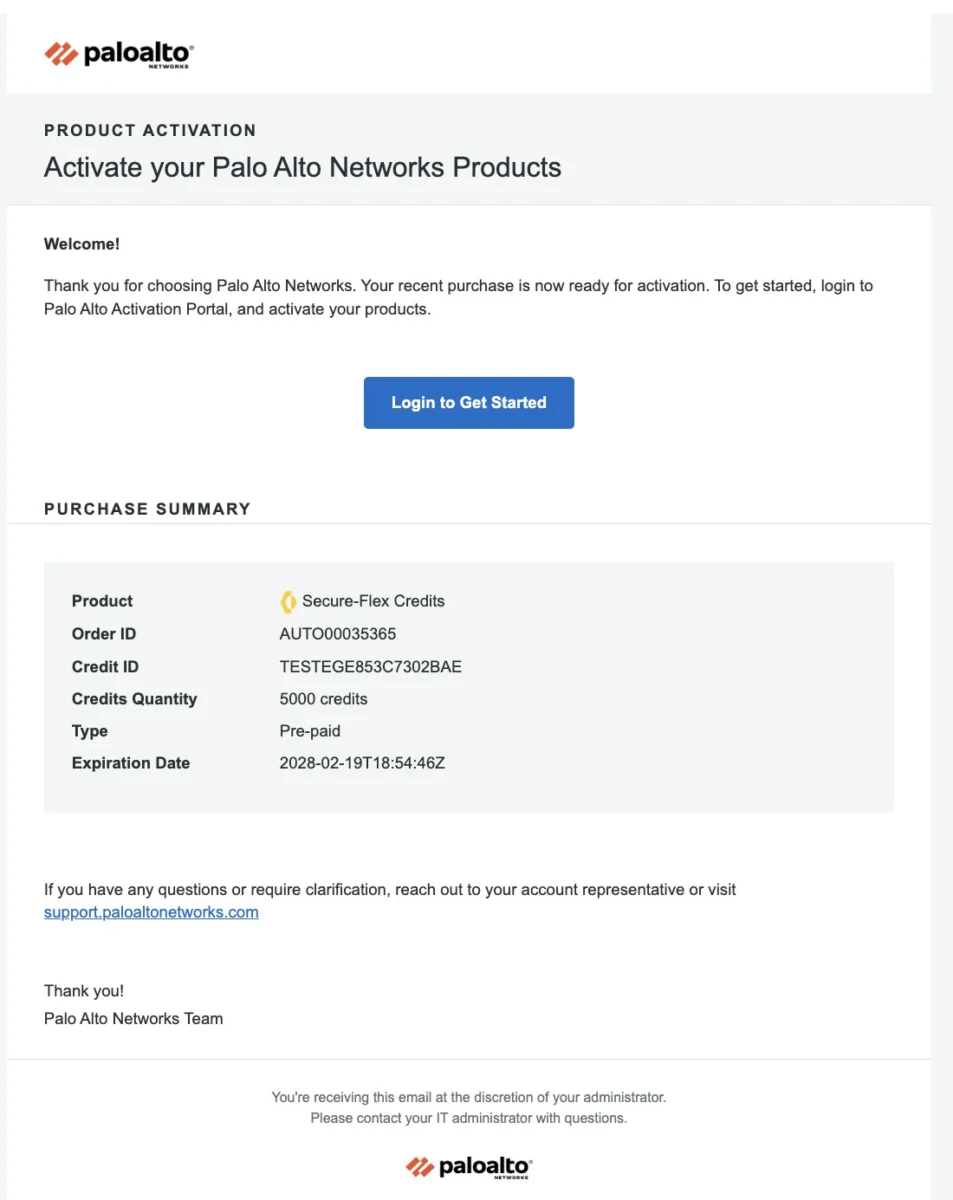
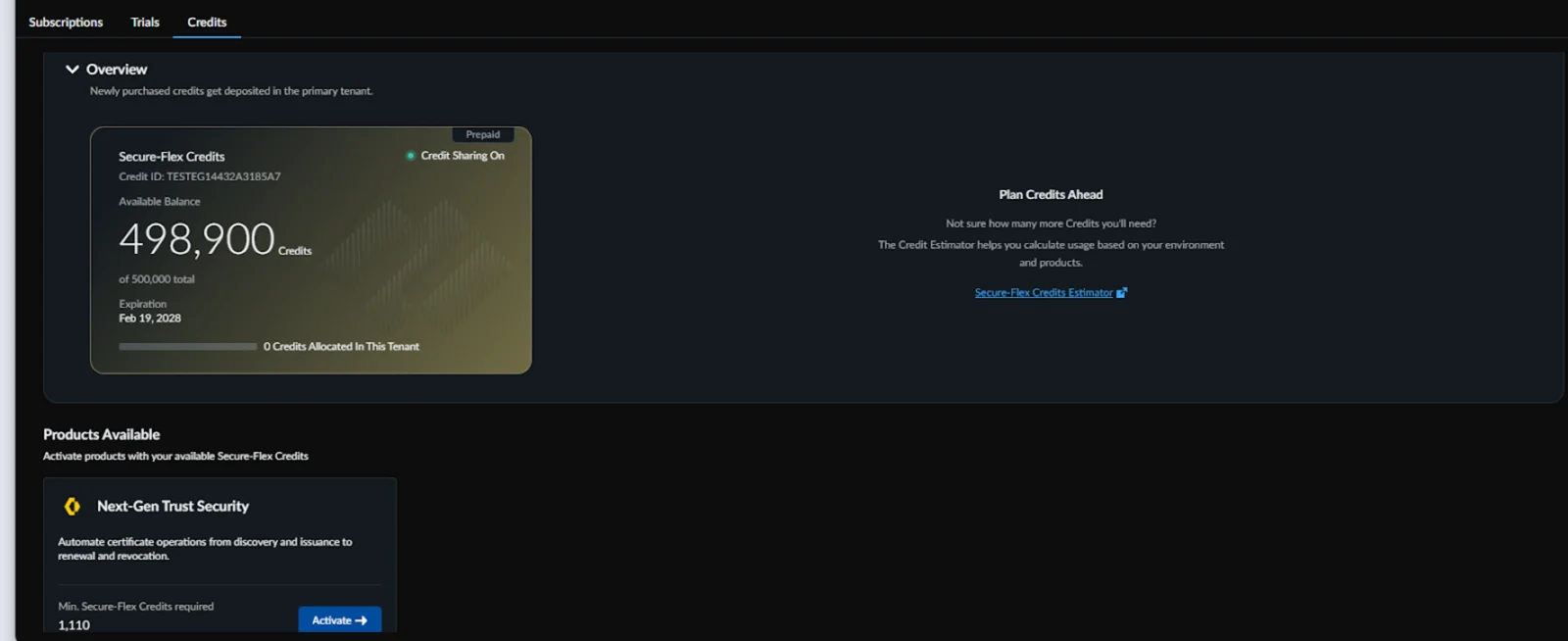
- Its current SaaS successor, Next-Generation Trust Security, uses Secure-Flex Credits and Secure Certificate Instances for capacity-based activation.
Editorial assessmentVenafi Pros & Cons
Pros
- Offers SaaS and self-hosted certificate-management approaches.
- Supports discovery, monitoring, validation, enrollment, and provisioning workflows.
- Documents integrations with multiple certificate authorities, clouds, keystores, and network appliances.
- Provides REST API integration mechanisms and automated notification options.
Cons
- Public numeric pricing was not found in the reviewed product documentation.
- Next-Generation Trust Security requires purchased credits and has a 2,000-SCI activation minimum.
- Self-hosted deployment requires supported Windows Server infrastructure and integration planning.
- Entrust Certificate Services is no longer supported in Trust Protection Foundation 26.2 and later.
Venafi Gotchas & Operational Limits
These are documented constraints or practical friction points that may matter before you adopt the product.
Next-Generation Trust Security activation consumes pre-purchased Secure-Flex Credits and has a 2,000-SCI minimum.
Buyers should size the certificate inventory and credit commitment before activation rather than assuming a small free or pay-as-you-go start.
Evidence source ↗The activation region cannot be changed after activation.
The selected service region becomes an implementation decision that should be reviewed with administrators before deployment.
Evidence source ↗Trust Protection Foundation 26.2 and later no longer support Entrust Certificate Services.
Organizations using that CA driver should validate migration or replacement plans before upgrading.
Evidence source ↗Security & Privacy
For security-sensitive software, TechZella focuses on documented architecture, authentication, data handling, deployment and privacy details that can affect a buying decision. This is product research, not an independent security audit.
Security posture at a glance
| Current self-hosted platform | Trust Protection Foundation |
|---|
| Self-hosted server operating systems | Windows Server 2016, 2019, 2022, and 2025, as listed for version 26.2 |
|---|
| Self-hosted server requirements | 4 processor cores, 16 GB RAM, and 5 GB application disk space; documented server sizing also specifies two servers for the stated sample workload |
|---|
What the documented evidence tells us
Next-Generation Trust Security is the SaaS evolution of Venafi TLS Protect.Palo Alto Networks states that Next-Generation Trust Security evolves the SaaS certificate-management offering formerly called Venafi TLS Protect and CyberArk Certificate Manager SaaS.
Source ↗Next-Generation Trust Security activation uses Secure-Flex Credits and Secure Certificate Instances.Official activation instructions state that activation and consumption depend on capacity-based credits, SCIs, and term length, with a 2,000-SCI minimum.
Source ↗ Security claims are presented only when supported by documented sources. The presence of this section does not constitute a penetration test, certification or independent security audit.
Pricing
Palo Alto Networks does not publish numeric prices in the reviewed product and activation documentation. Next-Generation Trust Security is activated with purchased Secure-Flex Credits and Secure Certificate Instances; the documented activation minimum is 2,000 SCIs. Self-hosted pricing was not publicly listed in the sources reviewed.
Total Cost & Hidden Costs
Additional costs or implementation requirements that are documented in the available evidence.
Implementation and onboarding
Self-hosted installation requires supported Windows Server infrastructure, a database connection, network access, and additional configuration for integrations or an HSM when used. Public implementation-time estimates were not found.
Evidence source ↗Hosting and infrastructure
SaaS activation occurs in Strata Cloud Manager; self-hosted deployment requires customer-provided supported servers and related infrastructure. Public SaaS hosting charges were not separately itemized in the sources reviewed.
Evidence source ↗Licensing and capacity
Next-Generation Trust Security uses Secure-Flex Credits, Secure Certificate Instances, and term length; activation starts at 2,000 SCIs. Public credit prices were not listed on the activation documentation page.
Evidence source ↗Provisioning license
The Trust Protection Foundation system requirements state that agentless provisioning drivers require a Trust Force license for each endpoint receiving certificate installation. The reviewed page does not state license prices.
Evidence source ↗Venafi Competitors & Alternatives
Compare similar products directly, then see which alternatives may make more sense when your requirements differ.
At a glance
Cybersecurity SoftwareOnly factors supported by the available research are shown. The comparison is descriptive, not a ranking.
Direct competitors
These products address broadly similar requirements. The descriptions focus on documented reasons a buyer might compare them with Venafi.
DigiCert Trust Lifecycle ManagerCertificate discovery, management, and automation, including multi-CA management in Advanced and Premium plans.
CapabilitiesVenafi Features
Certificate lifecycle
- Certificate discovery and inventory
- Certificate monitoring and validation
- Certificate enrollment
- Certificate provisioning and installation
- Renewal and expiration notifications
Integrations and APIs
- REST API integrations
- Registered API clients with scopes and restrictions
- Integrations with supported certificate authorities, cloud services, keystores, applications, and appliances
- Webhook notifications in Next-Generation Trust Security
Deployment
- SaaS through Next-Generation Trust Security
- Self-hosted deployment through Trust Protection Foundation
Venafi Specifications
| Current SaaS product | Next-Generation Trust Security |
|---|
| Current self-hosted platform | Trust Protection Foundation |
|---|
| SaaS environment | Strata Cloud Manager |
|---|
| Self-hosted server operating systems | Windows Server 2016, 2019, 2022, and 2025, as listed for version 26.2 |
|---|
| Self-hosted server requirements | 4 processor cores, 16 GB RAM, and 5 GB application disk space; documented server sizing also specifies two servers for the stated sample workload |
|---|
| API | REST API; registered integrations use scopes and restrictions |
|---|
| SaaS licensing | Secure-Flex Credits, Secure Certificate Instances, and term length; 2,000-SCI minimum |
|---|
| Trial | No public self-service product trial was verified; the license agreement describes trials or proof-of-concept periods when communicated by the vendor or order |
|---|
Exit planningMigration & Lock-In
Documented portability, standards, export, or switching considerations. No switching-cost score is shown unless the evidence supports one.
Product import
Trust Protection Foundation documentation describes importing certificates from Certificate Manager SaaS or Next-Generation Trust Security using API credentials and scheduled or manual jobs.
Evidence source ↗Our evidence-based assessmentTechZella Score
A proprietary editorial score based on product capabilities, usability, value, performance, support and user sentiment evidence.
7.4/10Moderate confidence
The product documentation describes broad certificate discovery, policy, lifecycle automation, integrations, and both SaaS and self-hosted options. Public pricing is not listed, and the accessible G2 rating represents only seven seller-profile reviews.
Methodology v1.0. The assessment weighs feature coverage (25%), ease of use (15%), value for money (20%), performance (15%), support (10%) and user sentiment (15%), using researched product evidence and verified review evidence where available. It is a TechZella editorial assessment, not a direct user-review average.
Editorial transparency
Our Review Methodology
Key claims are linked to the sources used to verify them. This evidence record is separate from third-party user ratings.
TechZella evaluates software using documented product capabilities, pricing information, usability and value considerations, independent user evidence where available, and competitive context. The assessment is an editorial review, not a hands-on test unless one is explicitly identified. Our editorial assessment is based on 6 documented sources.
What TechZella adds- The product family spans SaaS certificate management and a self-hosted certificate-management platform, with separate documentation and deployment requirements.
- The self-hosted platform supports discovery, monitoring and validation, enrollment, and provisioning as distinct certificate-management levels.
- Its current SaaS successor, Next-Generation Trust Security, uses Secure-Flex Credits and Secure Certificate Instances for capacity-based activation.
Important limitations- No public numeric price list was found; SaaS activation requires pre-purchased Secure-Flex Credits, while self-hosted licensing is order-based.
- The self-hosted platform requires Windows Server infrastructure and documented server, memory, database, and network prerequisites.
- Next-Generation Trust Security activation requires a region selection that cannot be changed afterward; its documentation specifies a 2,000 Secure Certificate Instance minimum.
- In Trust Protection Foundation 26.2 and later, Entrust Certificate Services is no longer supported.
Evidence-backed claimsVenafi’s former Trust Protection Platform is now named Trust Protection Foundation.Palo Alto Networks documentation identifies Trust Protection Foundation as the new name for the former Venafi Trust Protection Platform and later CyberArk Certificate Manager Self-Hosted.
View source ↗Verified 2026-11-24Next-Generation Trust Security is the SaaS evolution of Venafi TLS Protect.Palo Alto Networks states that Next-Generation Trust Security evolves the SaaS certificate-management offering formerly called Venafi TLS Protect and CyberArk Certificate Manager SaaS.
View source ↗Verified 2026-11-24Next-Generation Trust Security activation uses Secure-Flex Credits and Secure Certificate Instances.Official activation instructions state that activation and consumption depend on capacity-based credits, SCIs, and term length, with a 2,000-SCI minimum.
View source ↗Verified 2026-11-24Trust Protection Foundation supports Windows Server 2016, 2019, 2022, and 2025 for its server installation.The current 26.2 system-requirements page lists the supported Windows Server versions and other infrastructure prerequisites.
View source ↗Verified 2026-11-24Venafi product APIs use registered integrations and scoped OAuth tokens.Venafi API documentation explains integration registration, scopes, restrictions, token requests, and token revocation for REST API clients.
View source ↗Verified 2026-11-24Palo Alto Networks completed its acquisition of CyberArk on February 11, 2026.Palo Alto Networks announced completion of the acquisition and described CyberArk products as continuing as a standalone platform during integration.
View source ↗Verified 2026-11-24 Independent review sources
Venafi Ratings & Reviews
Ratings are published by the respective review platforms and may change over time.
FAQ
See the structured FAQ entries for sourced answers about current product names, deployment, APIs, pricing, and certificate discovery.
Community feedback
Reviews
No reviews yet. Be the first to share your experience.
Write a Review
Please log in to submit a review.
Recently added Cybersecurity Software