
Seurat is installed into an R environment and is not presented as a hosted SaaS application.
The user or institution must provide computing resources and maintain the software environment.
Evidence source ↗
Seurat is an open-source R toolkit for quality control, analysis, and visualization of single-cell and spatial genomics data.
The official documentation describes broad single-cell, multimodal, and spatial analysis capabilities, including workflows for large datasets. Seurat is free and open source. Ease, support, and user sentiment are not backed by accessible review evidence, so those scores are conservative editorial assessments rather than user ratings.
This profile combines documented product information and independent evidence where available. It is not a hands-on test unless TechZella explicitly identifies one.
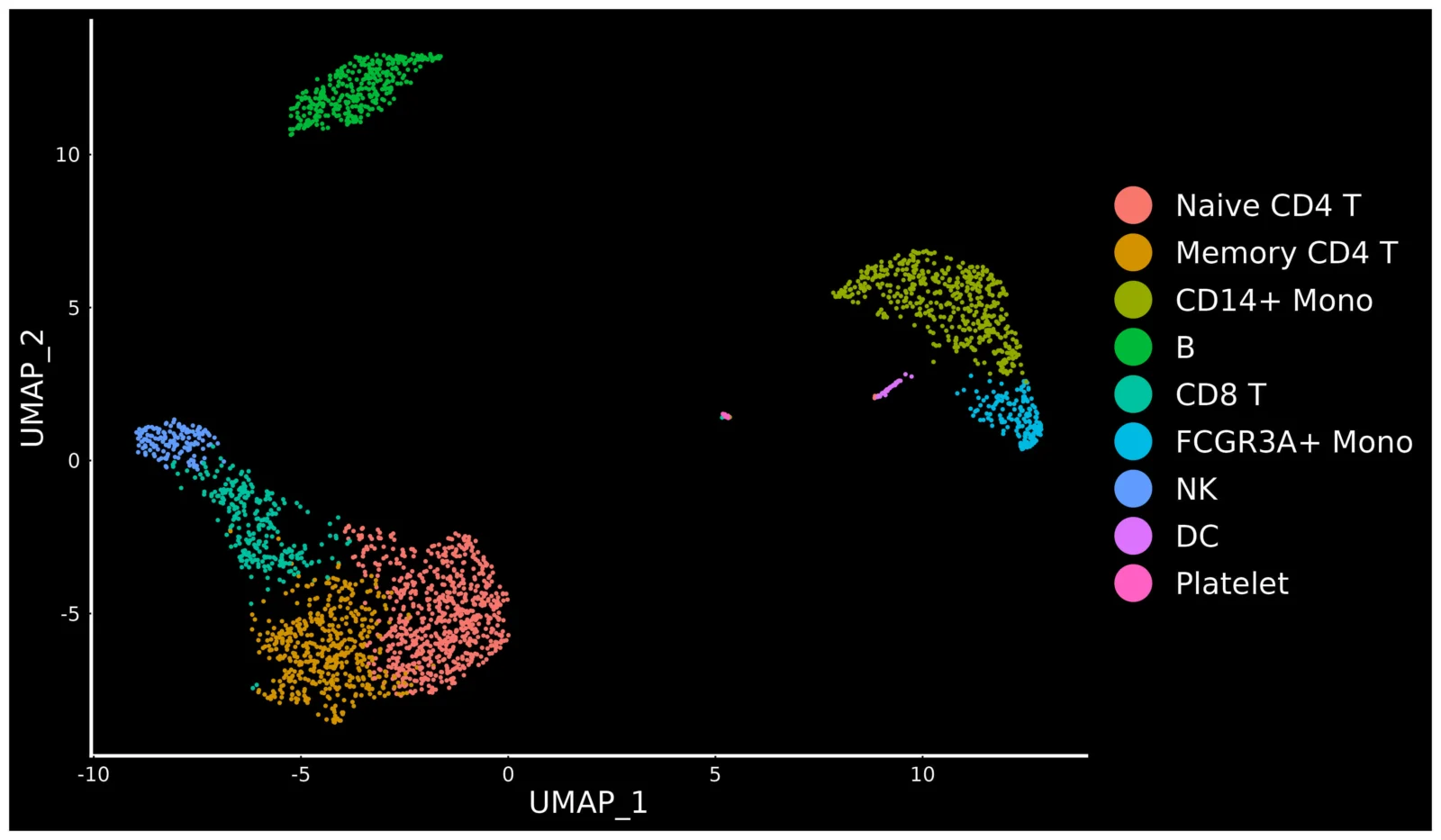
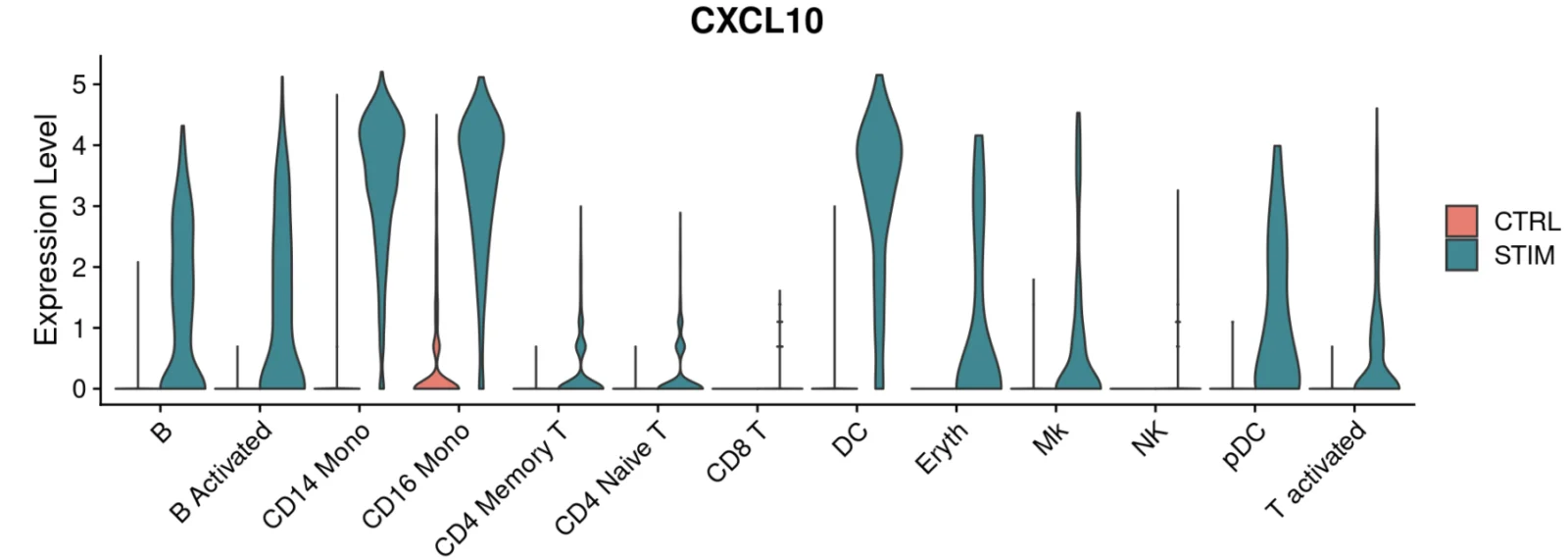
Seurat is an R toolkit for quality control, analysis, and exploration of single-cell RNA sequencing data. The project also documents multimodal and spatial genomics workflows.
Version 6 adds sample-level analysis with scSLIDE and supports workflows involving RNA Fingerprinting. Its sketch and on-disk methods are designed to help analyze large datasets without holding all cells in memory.
Seurat is distributed as an MIT-licensed package, not as a hosted SaaS service. Researchers need an R environment and suitable computing resources.
A quick way to understand who this product may suit, where its limits matter, and which facts are most relevant before you compare alternatives.
Researchers and bioinformatics teams using R to analyze single-cell RNA sequencing, multimodal, or spatial genomics data.
Teams requiring a hosted turnkey SaaS product, a native Python-first workflow, or vendor-provided commercial support should assess other tools, and should evaluate alternatives such as Scanpy or scvi-tools instead.
Linux, macOS, Windows
7.7/10
These are the product-specific differences that may matter when deciding whether the software fits your workflow. They are based on documented evidence rather than a universal ranking.
These are documented constraints or practical friction points that may matter before you adopt the product.
The user or institution must provide computing resources and maintain the software environment.
Evidence source ↗Some workflows may require separate dependency installation and environment management.
Evidence source ↗Available under the MIT license and installable from CRAN. Users provide their own compute environment.
Check current pricing →Pricing may change. Verify current plans on the vendor's website.
Compare similar products directly, then see which alternatives may make more sense when your requirements differ.
| Decision factor | Seurat | Scanpy | scvi-tools |
|---|---|---|---|
| Primary programming ecosystem | R package for single-cell genomics analysis. | Python toolkit for single-cell analysis, built with AnnData. Source ↗ | Python-based toolkit powered by PyTorch and AnnData. Source ↗ |
| Analysis scope | Covers single-cell, multimodal, and spatial workflows. | Documents preprocessing, visualization, clustering, trajectory inference, and differential expression. Source ↗ | Centers on probabilistic models for single-cell omics, including integration and differential expression. Source ↗ |
| License and pricing | MIT-licensed package available through CRAN. | BSD 3-Clause licensed open-source toolkit. Source ↗ | BSD-3-Clause licensed open-source software. Source ↗ |
Only factors supported by the available research are shown. The comparison is descriptive, not a ranking.
These products address broadly similar requirements. The descriptions focus on documented reasons a buyer might compare them with Seurat.
| Package version | 6.0.0 listed on CRAN |
|---|---|
| License | MIT |
| Runtime | R 4.0 or later |
| Operating systems | Windows, macOS, Linux |
| Installation | CRAN or GitHub |
| API | R package function interface; no general hosted Seurat API was identified. AzimuthAPI is a separate companion package. |
| Integrations | Documented extensions and optional packages include BPCells, presto, glmGamPoi, and Signac. |
Verified installation, hosting, administration, or environment details that can affect implementation.
| Installation or hosting | Install the R package from CRAN and run it in a local R environment; the project also documents GitHub installation. Source ↗ |
|---|---|
| Operating systems | The project reports successful R installation on macOS, Linux, and Windows. Source ↗ |
A proprietary editorial score based on product capabilities, usability, value, performance, support and user sentiment evidence.
The official documentation describes broad single-cell, multimodal, and spatial analysis capabilities, including workflows for large datasets. Seurat is free and open source. Ease, support, and user sentiment are not backed by accessible review evidence, so those scores are conservative editorial assessments rather than user ratings.
Methodology v1.0. The assessment weighs feature coverage (25%), ease of use (15%), value for money (20%), performance (15%), support (10%) and user sentiment (15%), using researched product evidence and verified review evidence where available. It is a TechZella editorial assessment, not a direct user-review average.
Key claims are linked to the sources used to verify them. This evidence record is separate from third-party user ratings.
TechZella evaluates software using documented product capabilities, pricing information, usability and value considerations, independent user evidence where available, and competitive context. The assessment is an editorial review, not a hands-on test unless one is explicitly identified. Our editorial assessment is based on 5 documented sources.
The official project page describes the package's purpose and its focus on single-cell transcriptomic data.
View source ↗Verified 2026-11-11The v6 announcement describes scSLIDE as a framework for sample-level representations across cell types and states.
View source ↗Verified 2026-11-11The getting-started documentation describes representative subsets held in memory while full datasets remain accessible on disk.
View source ↗Verified 2026-11-11The project repository states that Seurat installs in R on these operating systems.
View source ↗Verified 2026-11-11The official license page reproduces the package's MIT license terms.
View source ↗Verified 2026-11-11The CRAN package record lists version 6.0.0 and a publication date of November 7, 2026.
View source ↗Verified 2026-11-11See the product-specific FAQ entries for installation, pricing, and deployment details.
No reviews yet. Be the first to share your experience.
Please log in to submit a review.