
A PlayStation BIOS is required to run the emulator.
Users must provide a suitable BIOS file themselves and configure it for the frontend or emulator.
Evidence source ↗
Rustation is an experimental, open-source Sony PlayStation emulator written in Rust. Its source repository is marked as no longer developed.
The project documents partial emulator components, experimental debugging, weak performance, limited compatibility, and no further development. GPL-licensed source is available without a purchase price. No public review evidence was verified.
This profile combines documented product information and independent evidence where available. It is not a hands-on test unless TechZella explicitly identifies one.
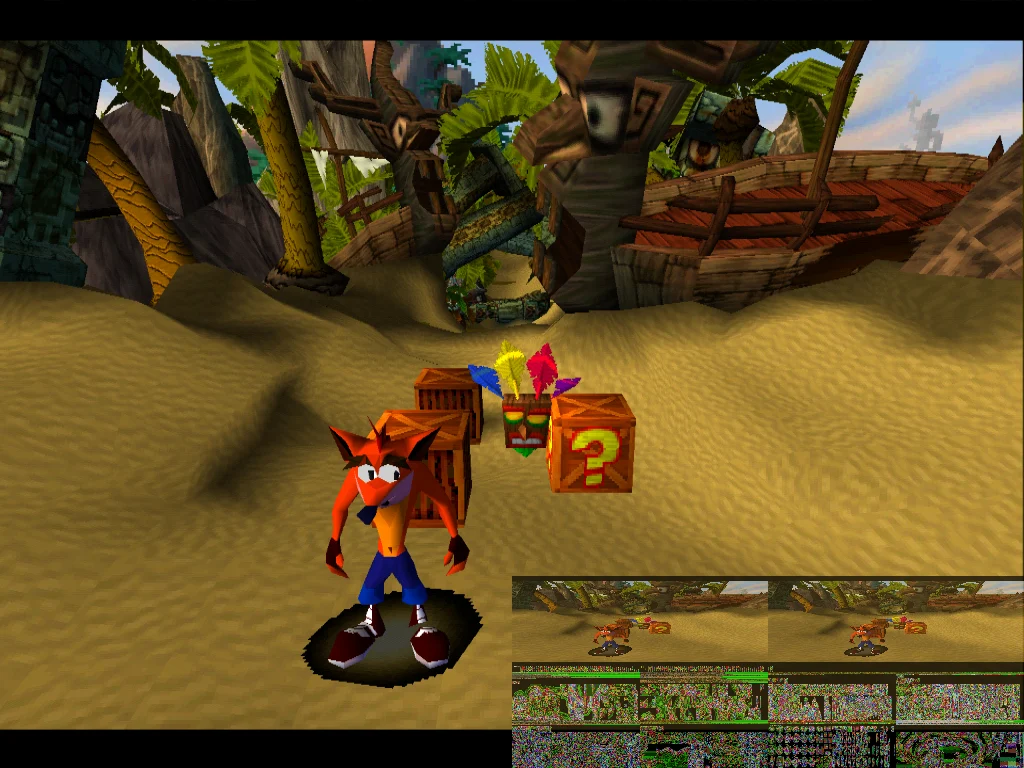
Rustation is an open-source Sony PlayStation emulator written in Rust. Its repository contains the emulator core; a separate repository provides a libretro interface.
The project is no longer being developed. Its README describes limited compatibility, incomplete emulation, and poor performance. It is therefore better suited to technical experimentation than dependable everyday gameplay.
A quick way to understand who this product may suit, where its limits matter, and which facts are most relevant before you compare alternatives.
Developers studying or experimenting with a Rust-based PlayStation emulator, especially those comfortable building source code and debugging incomplete emulation.
Players seeking a maintained, broadly compatible emulator or a straightforward ready-to-run installation; the repository says development stopped and documents limited game compatibility.
API, UNIX
4.0/10
These are the product-specific differences that may matter when deciding whether the software fits your workflow. They are based on documented evidence rather than a universal ranking.
These are documented constraints or practical friction points that may matter before you adopt the product.
Users must provide a suitable BIOS file themselves and configure it for the frontend or emulator.
Evidence source ↗Users should not assume ongoing fixes, compatibility improvements, or support.
Evidence source ↗No purchase price is listed. The source is distributed under GPL-2.0-or-later; building and configuration are the user's responsibility.
Check current pricing →Pricing may change. Verify current plans on the vendor's website.
| Emulated system | Sony PlayStation |
|---|---|
| Implementation language | Rust |
| License | GNU GPL version 2 or later |
| Platform support | Unix build documented for the libretro core |
| Frontend integration | Libretro-compatible frontend; RetroArch is documented as an example |
| Build dependencies | Rust, Cargo, SDL2, and a PlayStation BIOS |
| API | Libretro interface; experimental GDB remote debugging |
| Free trial | Not applicable; source is available without a stated purchase price |
Verified installation, hosting, administration, or environment details that can affect implementation.
| Installation or hosting | The repository documents compiling from source with Rust and Cargo; the build also requires SDL2 and a PlayStation BIOS. Source ↗ |
|---|---|
| Frontend | The separate libretro implementation runs as a core inside a compatible frontend, with RetroArch given as an example. Source ↗ |
Rustation-ng is the successor project identified by the original repository. Its README describes a libretro core with a software renderer, BIN/CUE game-image support, and a required PlayStation BIOS. It also describes the project as glitchy and incomplete, so it should not be treated as a fully mature replacement.
A proprietary editorial score based on product capabilities, usability, value, performance, support and user sentiment evidence.
The project documents partial emulator components, experimental debugging, weak performance, limited compatibility, and no further development. GPL-licensed source is available without a purchase price. No public review evidence was verified.
Methodology v1.0. The assessment weighs feature coverage (25%), ease of use (15%), value for money (20%), performance (15%), support (10%) and user sentiment (15%), using researched product evidence and verified review evidence where available. It is a TechZella editorial assessment, not a direct user-review average.
Key claims are linked to the sources used to verify them. This evidence record is separate from third-party user ratings.
TechZella evaluates software using documented product capabilities, pricing information, usability and value considerations, independent user evidence where available, and competitive context. The assessment is an editorial review, not a hands-on test unless one is explicitly identified. Our editorial assessment is based on 3 documented sources.
The project README identifies it as a PlayStation emulator implemented in the Rust programming language.
View source ↗Verified 2026-10-03The repository README says development stopped and points to a restarted project called rustation-ng.
View source ↗Verified 2026-10-03The repository license file specifies GNU GPL version 2 or, at the user's option, a later version.
View source ↗Verified 2026-10-03Its README describes using a libretro frontend such as RetroArch and placing a suitable BIOS in the frontend's system directory.
View source ↗Verified 2026-10-03It lists several implemented components as partial or incomplete and reports that only a few games booted at the time of writing.
View source ↗Verified 2026-10-03Answers begin with the clearest available response, followed by the context that helps you act on it.
No reviews yet. Be the first to share your experience.
Please log in to submit a review.