
The Steam distribution does not include the built-in Core Updater and offers selected cores through Steam.
Users may need to manage a smaller selection of cores or choose another distribution to update cores through RetroArch.
Evidence source ↗
RetroArch is a free, open-source frontend for libretro cores, including emulators and game engines. It provides shared controls and features across supported systems.
Official documentation describes broad platform support, modular cores, netplay, shaders, rewind, and run-ahead. Setup and core availability vary by platform and distribution. No verified third-party rating or review consensus was found.
This profile combines documented product information and independent evidence where available. It is not a hands-on test unless TechZella explicitly identifies one.
RetroArch is a frontend that runs libretro cores, which can provide emulators, game engines, and other applications. The frontend handles shared functions such as video, audio, input, and application lifecycle.
It is free and open source under GPLv3. RetroArch is available on desktop and mobile platforms, with additional ports and store versions. Capabilities vary by build, so users should check core and updater availability for their chosen distribution.
A quick way to understand who this product may suit, where its limits matter, and which facts are most relevant before you compare alternatives.
Players seeking one configurable frontend for multiple libretro-compatible emulators or game engines, particularly across desktop and mobile platforms.
Users seeking a turnkey, single-system emulator or a consistent feature set across all app-store and console versions.
Android, iOS, Linux, macOS, Windows
6.9/10
These are the product-specific differences that may matter when deciding whether the software fits your workflow. They are based on documented evidence rather than a universal ranking.
These are documented constraints or practical friction points that may matter before you adopt the product.
Users may need to manage a smaller selection of cores or choose another distribution to update cores through RetroArch.
Evidence source ↗A mismatch in game content or emulator core can prevent a session from synchronizing as intended.
Evidence source ↗The packaging choice may affect graphics features or whether a desired core works.
Evidence source ↗Free, open-source software licensed under GPLv3. Storefront versions may differ in features and core availability.
Check current pricing →Pricing may change. Verify current plans on the vendor's website.

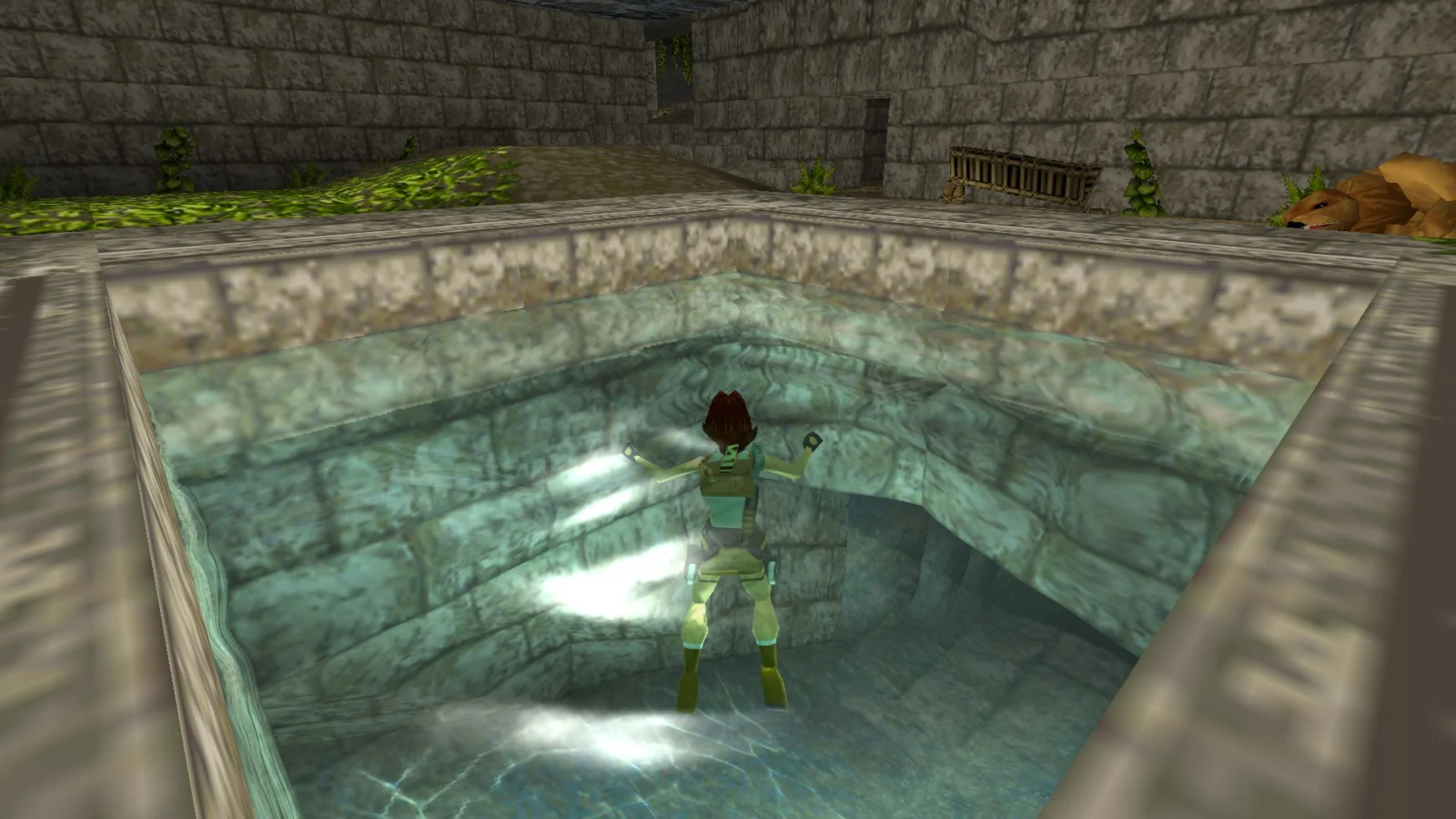


| License | GPLv3 |
|---|---|
| Pricing | Free |
| API | Uses the libretro API; a network control interface is also documented. |
| Integrations | RetroAchievements; libretro-compatible cores |
| Free trial | Not applicable; software is free. |
| Deployment | Installable builds, with platform-specific storefront and packaging variants; limited web build also available. |
| Core updater | Available in many builds; not included in the Steam version. |
| Netplay requirements | Identical core and content recommended; deterministic cores support ideal synchronization. |
Verified installation, hosting, administration, or environment details that can affect implementation.
| Installation or hosting | Installable application with builds for desktop, mobile, web and other devices; there is also a web-based version with fewer capabilities than full builds. Source ↗ |
|---|
Dolphin is a standalone emulator focused on Nintendo GameCube and Wii games, with builds for Windows, macOS, Linux, and Android. It may suit users focused on those systems who prefer a dedicated emulator rather than a multi-core frontend. RetroArch is the closer fit for users seeking a shared interface across multiple libretro cores.
A proprietary editorial score based on product capabilities, usability, value, performance, support and user sentiment evidence.
Official documentation describes broad platform support, modular cores, netplay, shaders, rewind, and run-ahead. Setup and core availability vary by platform and distribution. No verified third-party rating or review consensus was found.
Methodology v1.0. The assessment weighs feature coverage (25%), ease of use (15%), value for money (20%), performance (15%), support (10%) and user sentiment (15%), using researched product evidence and verified review evidence where available. It is a TechZella editorial assessment, not a direct user-review average.
Key claims are linked to the sources used to verify them. This evidence record is separate from third-party user ratings.
TechZella evaluates software using documented product capabilities, pricing information, usability and value considerations, independent user evidence where available, and competitive context. The assessment is an editorial review, not a hands-on test unless one is explicitly identified. Our editorial assessment is based on 6 documented sources.
The project repository identifies RetroArch as the reference frontend and describes how the frontend loads libretro cores.
View source ↗Verified 2026-10-03The project repository and Libretro license documentation list RetroArch under GPLv3.
View source ↗Verified 2026-10-03The official platform page describes the differing core distribution and updater arrangements for Steam.
View source ↗Verified 2026-10-03Libretro documentation describes multiplayer netplay and its synchronization requirements.
View source ↗Verified 2026-10-03The official achievements guide explains account setup and notes that the service is not maintained by the RetroArch or Libretro team.
View source ↗Verified 2026-10-03The CLI guide documents launching cores and content through command-line arguments.
View source ↗Verified 2026-10-03Answers begin with the clearest available response, followed by the context that helps you act on it.
No reviews yet. Be the first to share your experience.
Please log in to submit a review.