
The official guide lists Node.js 20.0 or higher as a project setup prerequisite.
Teams using the project scaffolder should verify their local build environment meets that requirement.
Evidence source ↗
PixiJS is an open-source JavaScript rendering library for interactive 2D content and 3D extensions in web browsers, using WebGL or WebGPU.
Official documentation verifies a broad graphics API, rendering backends, and an ecosystem of add-ons. The library is free and open source, but developers must build much of the surrounding application or game logic themselves. No public review rating was verified.
This profile combines documented product information and independent evidence where available. It is not a hands-on test unless TechZella explicitly identifies one.
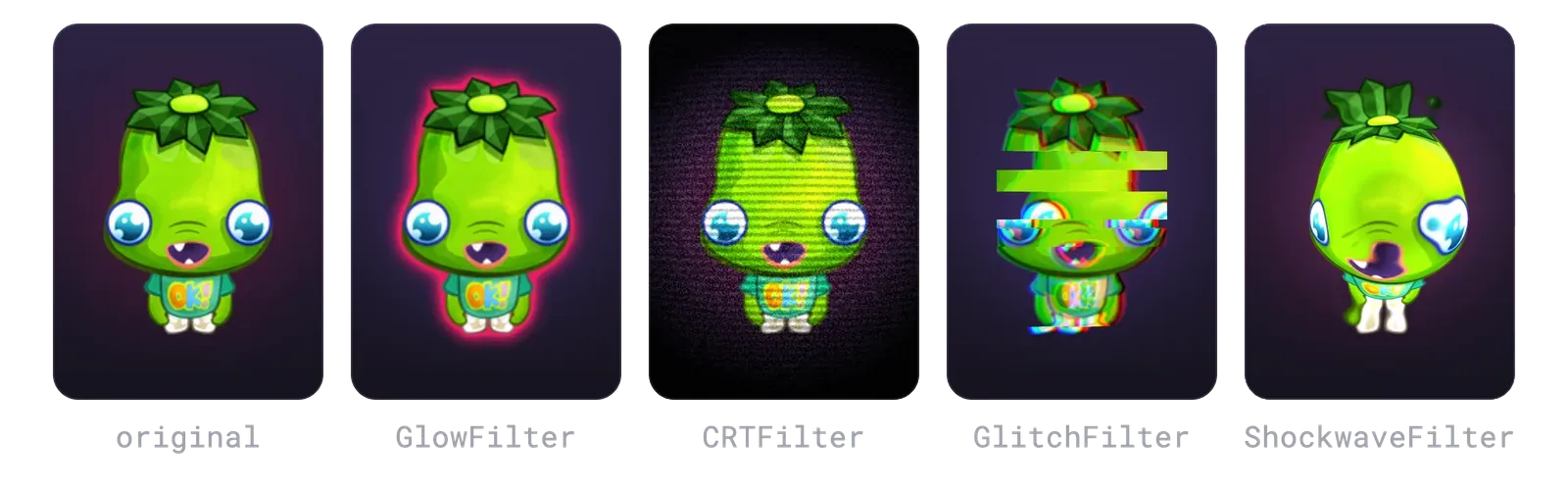
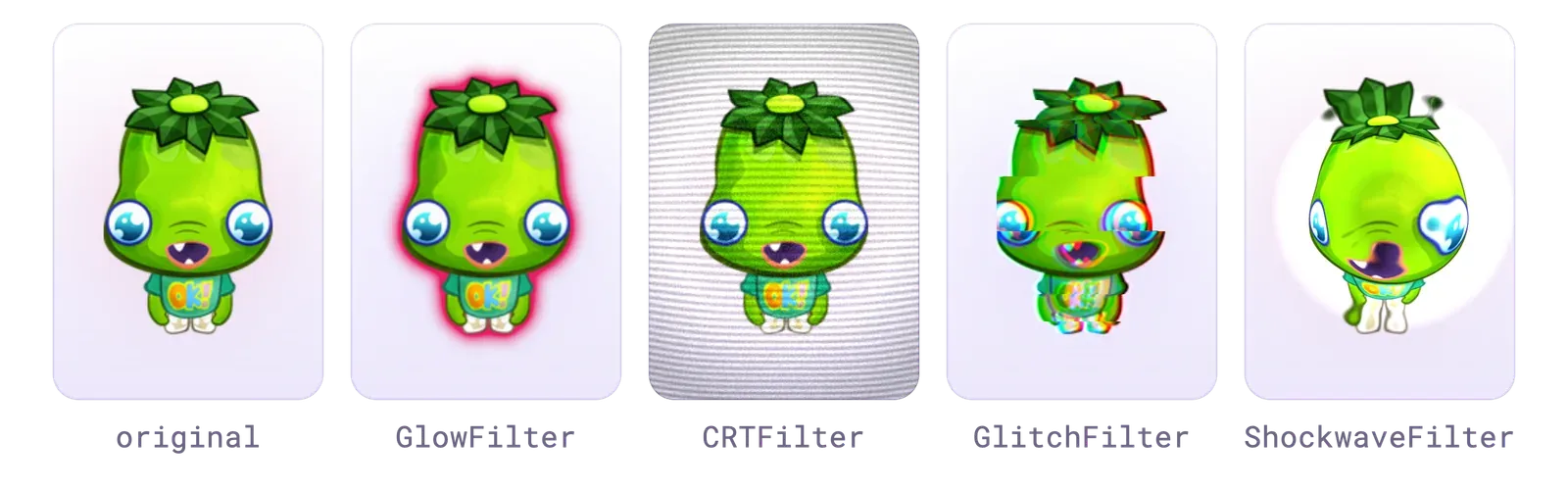
PixiJS is an open-source JavaScript rendering library for interactive browser content. Its API covers 2D sprites, text, graphics, filters, assets, and input, with a separate 3D extension available in the same ecosystem.
PixiJS supplies rendering and related building blocks rather than a complete game production environment. Teams needing physics or other game systems may add libraries or implement them separately.
A quick way to understand who this product may suit, where its limits matter, and which facts are most relevant before you compare alternatives.
JavaScript developers building browser-based 2D graphics, interactive content, or game rendering who want control over application architecture.
Teams seeking a complete game engine with integrated scene authoring and built-in physics may need to assemble additional tools or choose a broader framework, and should evaluate alternatives such as Phaser or Three.js instead.
JavaScript, Web
7.0/10
These are the product-specific differences that may matter when deciding whether the software fits your workflow. They are based on documented evidence rather than a universal ranking.
These are documented constraints or practical friction points that may matter before you adopt the product.
Teams using the project scaffolder should verify their local build environment meets that requirement.
Evidence source ↗Choose and test the renderer against target browsers and required effects before committing to a production workflow.
Evidence source ↗Existing React applications on earlier major versions may need a framework upgrade or a non-React integration approach.
Evidence source ↗PixiJS is free and open source. The package metadata lists the MIT license; project hosting and optional third-party tools are separate.
Check current pricing →Pricing may change. Verify current plans on the vendor's website.
Compare similar products directly, then see which alternatives may make more sense when your requirements differ.
| Decision factor | PixiJS | Phaser | Three.js |
|---|---|---|---|
| Core scope | Rendering engine for 2D graphics with a 3D extension. | HTML5 game framework with scenes and integrated game-development systems. Source ↗ | A 3D library for rendering 3D content in web pages. Source ↗ |
| Built-in game systems | Rendering, scene graph, assets, events, and ticker; broader game systems can be added through other libraries. | Includes Arcade Physics and Matter JS physics systems, plus scene management. Source ↗ | Not documented |
| Pricing model | Free and open source; package metadata lists the MIT license. | Phaser 4 framework is MIT-licensed and free for commercial projects. Source ↗ | Available as a JavaScript package and documented as an open-source library. Source ↗ |
| Rendering capabilities | 2D sprites, text, graphics, filters, and a 3D extension using WebGL or WebGPU. | Not documented | 3D scene, camera, renderer, materials, textures, lights, and related components. Source ↗ |
Only factors supported by the available research are shown. The comparison is descriptive, not a ranking.
These products address broadly similar requirements. The descriptions focus on documented reasons a buyer might compare them with PixiJS.

| License | MIT |
|---|---|
| Primary language | JavaScript |
| Project setup | npm install pixi.js or npm create pixi.js@latest |
| Renderer options | WebGL, WebGPU, Canvas |
| React requirement | React 19 or higher for PixiJS React |
| Node.js prerequisite | Version 20.0 or higher for the documented quick-start project setup |
| API | JavaScript API |
Verified installation, hosting, administration, or environment details that can affect implementation.
| Browser deployment | PixiJS renders content to a canvas in modern browsers; the product site describes desktop and mobile browser support. Source ↗ |
|---|---|
| Project setup | Install with npm or scaffold a project using npm create pixi.js@latest. Source ↗ |
| App packaging | The product site identifies Capacitor, Electron, and Cordova as ways to wrap projects for app stores or desktop distribution. Source ↗ |
A proprietary editorial score based on product capabilities, usability, value, performance, support and user sentiment evidence.
Official documentation verifies a broad graphics API, rendering backends, and an ecosystem of add-ons. The library is free and open source, but developers must build much of the surrounding application or game logic themselves. No public review rating was verified.
Methodology v1.0. The assessment weighs feature coverage (25%), ease of use (15%), value for money (20%), performance (15%), support (10%) and user sentiment (15%), using researched product evidence and verified review evidence where available. It is a TechZella editorial assessment, not a direct user-review average.
Key claims are linked to the sources used to verify them. This evidence record is separate from third-party user ratings.
TechZella evaluates software using documented product capabilities, pricing information, usability and value considerations, independent user evidence where available, and competitive context. The assessment is an editorial review, not a hands-on test unless one is explicitly identified. Our editorial assessment is based on 5 documented sources.
The official FAQ states that PixiJS is free and open source.
View source ↗Verified 2026-11-14The GitHub releases page lists v8.23.0 with a release date of November 11.
View source ↗Verified 2026-11-14The official PixiJS ecosystem guide states the React version requirement.
View source ↗Verified 2026-11-14The rendering documentation describes WebGL as recommended, WebGPU as experimental, and Canvas as having a reduced feature set.
View source ↗Verified 2026-11-14The official product and ecosystem pages name these companion libraries and tools.
View source ↗Verified 2026-11-14Answers begin with the clearest available response, followed by the context that helps you act on it.
No reviews yet. Be the first to share your experience.
Please log in to submit a review.