
On-demand instances are billed for their entire running time, even when workloads are idle.
Users need to stop or terminate instances after jobs finish to avoid ongoing compute charges.
Evidence source ↗
Lambda Cloud provides on-demand NVIDIA GPU instances and reserved multi-GPU clusters for training, fine-tuning, and serving AI models.
The assessment reflects documented GPU configurations, persistent filesystems, API access, and hourly billing. No reliable public review consensus or independent performance testing was verified.
This profile combines documented product information and independent evidence where available. It is not a hands-on test unless TechZella explicitly identifies one.
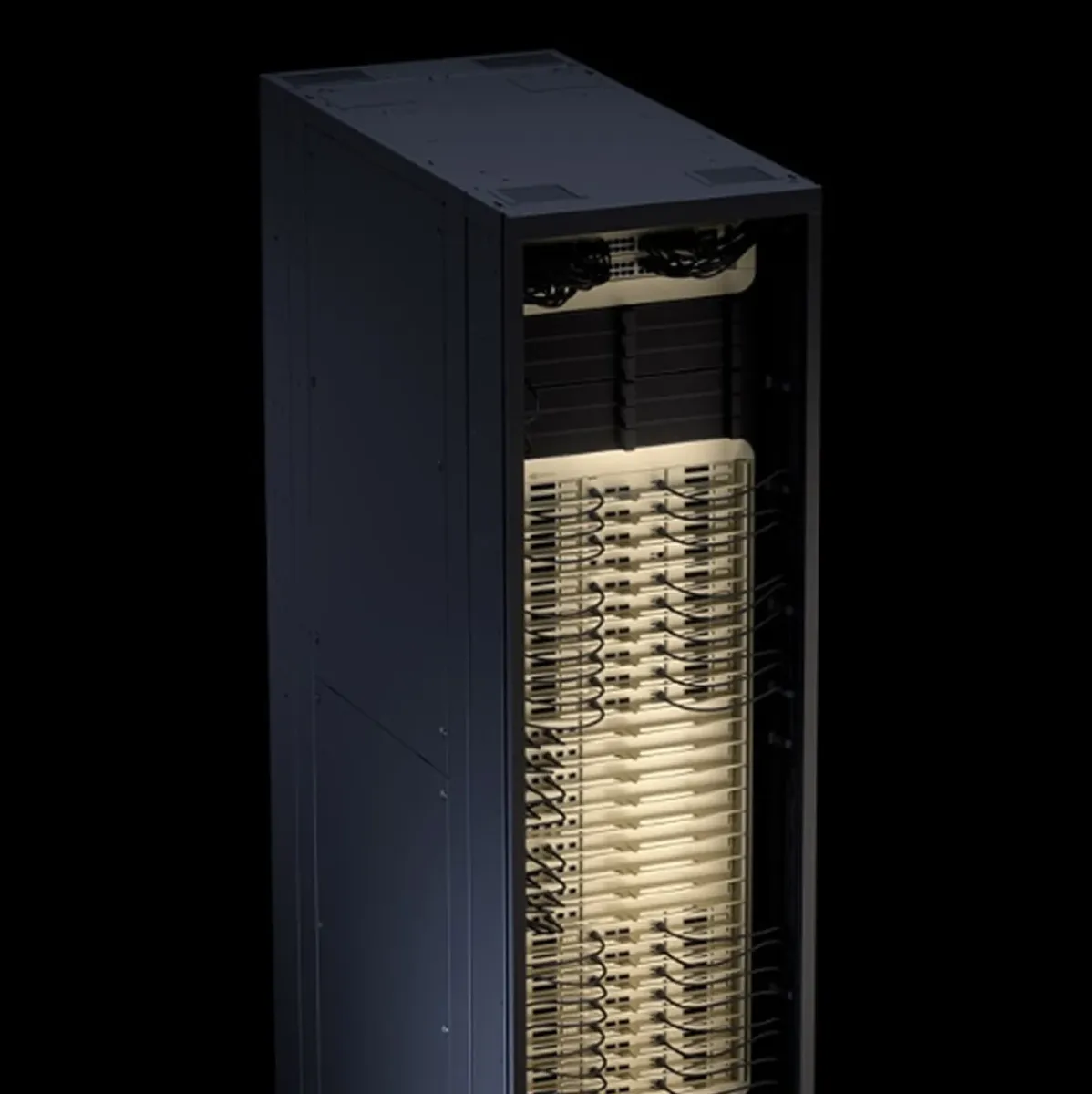
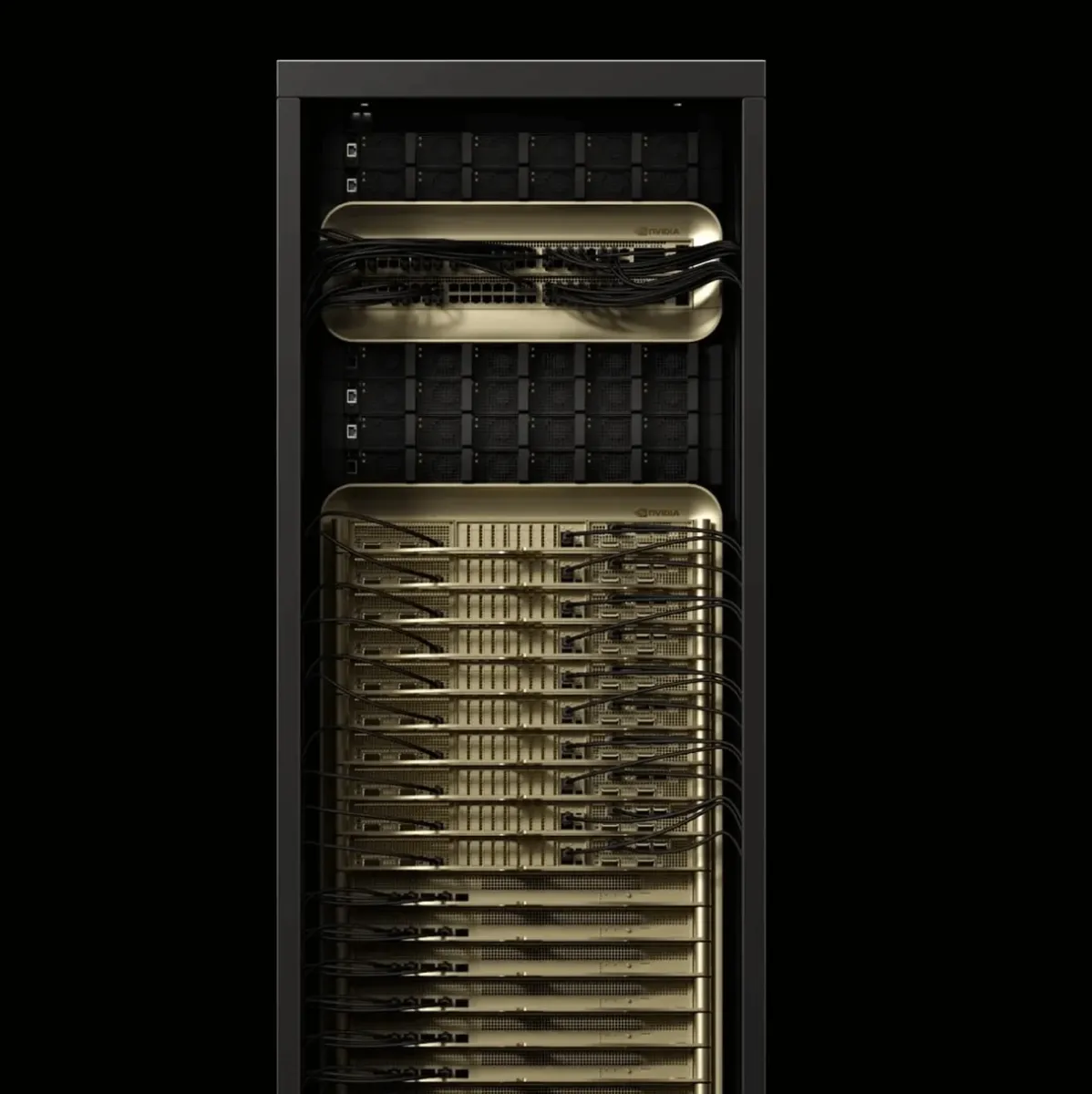
Lambda Cloud is a GPU infrastructure service for teams training, fine-tuning, and serving AI models. Its on-demand instances provide Linux-based virtual machines with NVIDIA GPUs, while 1-Click Clusters provide reserved interconnected capacity for larger workloads.
Users can launch and manage instances through the console, API, or CLI, then connect over SSH. On-demand capacity is first-come, and billing continues while an instance runs, including idle time. Buyers should also track persistent filesystem charges separately.
A quick way to understand who this product may suit, where its limits matter, and which facts are most relevant before you compare alternatives.
AI engineering and research teams that need Linux GPU instances for model training, fine-tuning, or inference, with the option to move from single-node use to reserved multi-GPU clusters.
Teams seeking a serverless inference endpoint, a browser-based notebook product, or predictable cost without monitoring running instances and persistent storage, and should evaluate alternatives such as Runpod or CoreWeave instead.
API, CLI, Cloud, Linux, SaaS
6.7/10
These are the product-specific differences that may matter when deciding whether the software fits your workflow. They are based on documented evidence rather than a universal ranking.
These are documented constraints or practical friction points that may matter before you adopt the product.
Users need to stop or terminate instances after jobs finish to avoid ongoing compute charges.
Evidence source ↗Storage costs and placement constraints remain relevant when instances are replaced or workloads move.
Evidence source ↗Automation that launches many instances rapidly may need queueing or throttling.
Evidence source ↗Billed in one-minute increments while the instance runs. Lambda's published replacement rates, effective November 16, 2026, list a starting rate of $0.79 per GPU-hour.
Check current pricing →Reserved interconnected GPU clusters; Lambda's product page describes access periods from two weeks to one year.
Check current pricing →Single-tenant large-scale clusters offered on contracts of three years or longer.
Check current pricing →Pricing may change. Verify current plans on the vendor's website.
Compare similar products directly, then see which alternatives may make more sense when your requirements differ.
| Decision factor | Lambda Cloud | Runpod | CoreWeave |
|---|---|---|---|
| Core scope | On-demand Linux GPU instances and reserved interconnected clusters, alongside larger contracted deployments. | GPU Pods, serverless inference, and cluster offerings are available as distinct products. Source ↗ | GPU instances and related cloud infrastructure, including on-demand and spot capacity. Source ↗ |
| Billing model | On-demand instances are billed by the minute; current rates are visible in the account, with new public rates scheduled for November 16, 2026. | Its pricing page lists GPU Pod rates billed by the second and separate pricing for serverless and clusters. Source ↗ | Publishes hourly on-demand and spot rates for listed GPU configurations, with some configurations requiring sales contact. Source ↗ |
| Management | Instances can be managed through its UI, REST API, or CLI. | Runpod documents API access, CLI, and SDKs for managing GPU instances. Source ↗ | CoreWeave's published pricing emphasizes cloud GPU infrastructure and capacity options; the cited pricing page does not establish an equivalent CLI workflow. Source ↗ |
| Storage costs | Persistent filesystems are billed while they exist; Lambda documents no ingress or egress fees. | Runpod lists separate monthly rates for persistent storage types and distinguishes running from stopped Pod storage. Source ↗ | Not documented |
Only factors supported by the available research are shown. The comparison is descriptive, not a ranking.
These products address broadly similar requirements. The descriptions focus on documented reasons a buyer might compare them with Lambda Cloud.

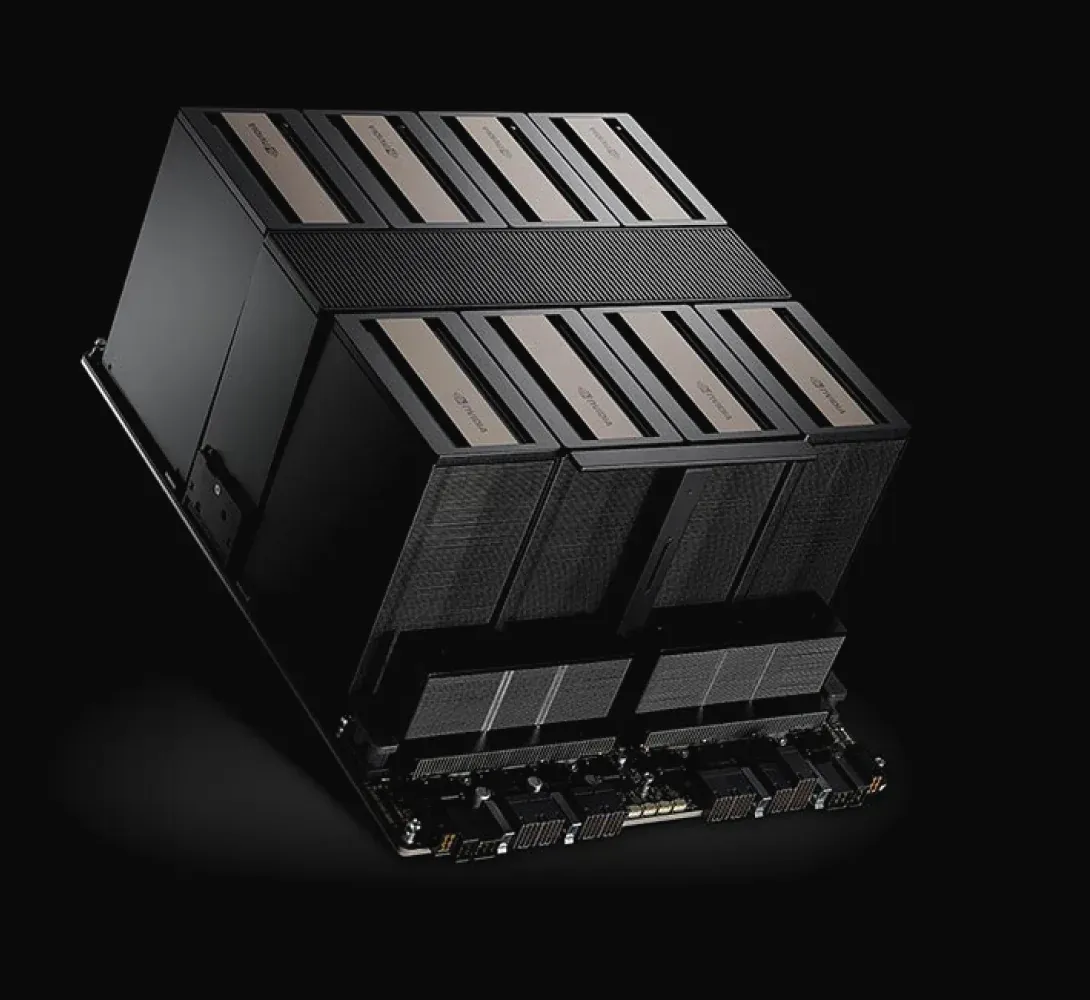
| Compute type | NVIDIA GPU-backed Linux virtual machines |
|---|---|
| Instance scale | 1, 2, 4, or 8 GPUs |
| Deployment | Hosted cloud infrastructure |
| API | REST API |
| Billing | On-demand usage billed in one-minute increments |
| Storage | Persistent network filesystem, billed separately |
| Network charges | Lambda documents no filesystem ingress or egress charges |
| Instance access | SSH |
Verified installation, hosting, administration, or environment details that can affect implementation.
| On-demand hosting | Linux-based GPU virtual machine instances are hosted in Lambda Cloud regions and accessed through SSH. Source ↗ |
|---|---|
| Larger deployments | 1-Click Clusters are reserved interconnected GPU clusters; Superclusters are single-tenant deployments offered on multi-year contracts. Source ↗ |
Documented portability, standards, export, or switching considerations. No switching-cost score is shown unless the evidence supports one.
Network filesystems can be attached to instances; they must be created in the same region and workspace as the instance.
Evidence source ↗The API supports managing instances and filesystems, while instances use SSH access with configured keys.
Evidence source ↗A proprietary editorial score based on product capabilities, usability, value, performance, support and user sentiment evidence.
The assessment reflects documented GPU configurations, persistent filesystems, API access, and hourly billing. No reliable public review consensus or independent performance testing was verified.
Methodology v1.0. The assessment weighs feature coverage (25%), ease of use (15%), value for money (20%), performance (15%), support (10%) and user sentiment (15%), using researched product evidence and verified review evidence where available. It is a TechZella editorial assessment, not a direct user-review average.
Key claims are linked to the sources used to verify them. This evidence record is separate from third-party user ratings.
TechZella evaluates software using documented product capabilities, pricing information, usability and value considerations, independent user evidence where available, and competitive context. The assessment is an editorial review, not a hands-on test unless one is explicitly identified. Our editorial assessment is based on 4 documented sources.
Lambda's instance page describes one-, two-, four-, and eight-GPU instance configurations.
View source ↗Verified 2026-11-11Lambda's official instance page identifies these workloads as supported uses.
View source ↗Verified 2026-11-11The API documentation lists endpoints for launching instances and managing associated resources.
View source ↗Verified 2026-11-11Lambda's billing documentation states that on-demand usage is billed in one-minute increments and charges continue while the instance runs.
View source ↗Verified 2026-11-11The company About page states its founding year and city.
View source ↗Verified 2026-11-11The pricing table gives that effective date and directs users to sign in for pricing before then.
View source ↗Verified 2026-11-11Answers begin with the clearest available response, followed by the context that helps you act on it.
No reviews yet. Be the first to share your experience.
Please log in to submit a review.