
Pro usage can incur separate charges for artifact storage, metric events, API calls, and applications.
Estimate activity and data volumes alongside per-user subscription costs before forecasting monthly spend.
Evidence source ↗
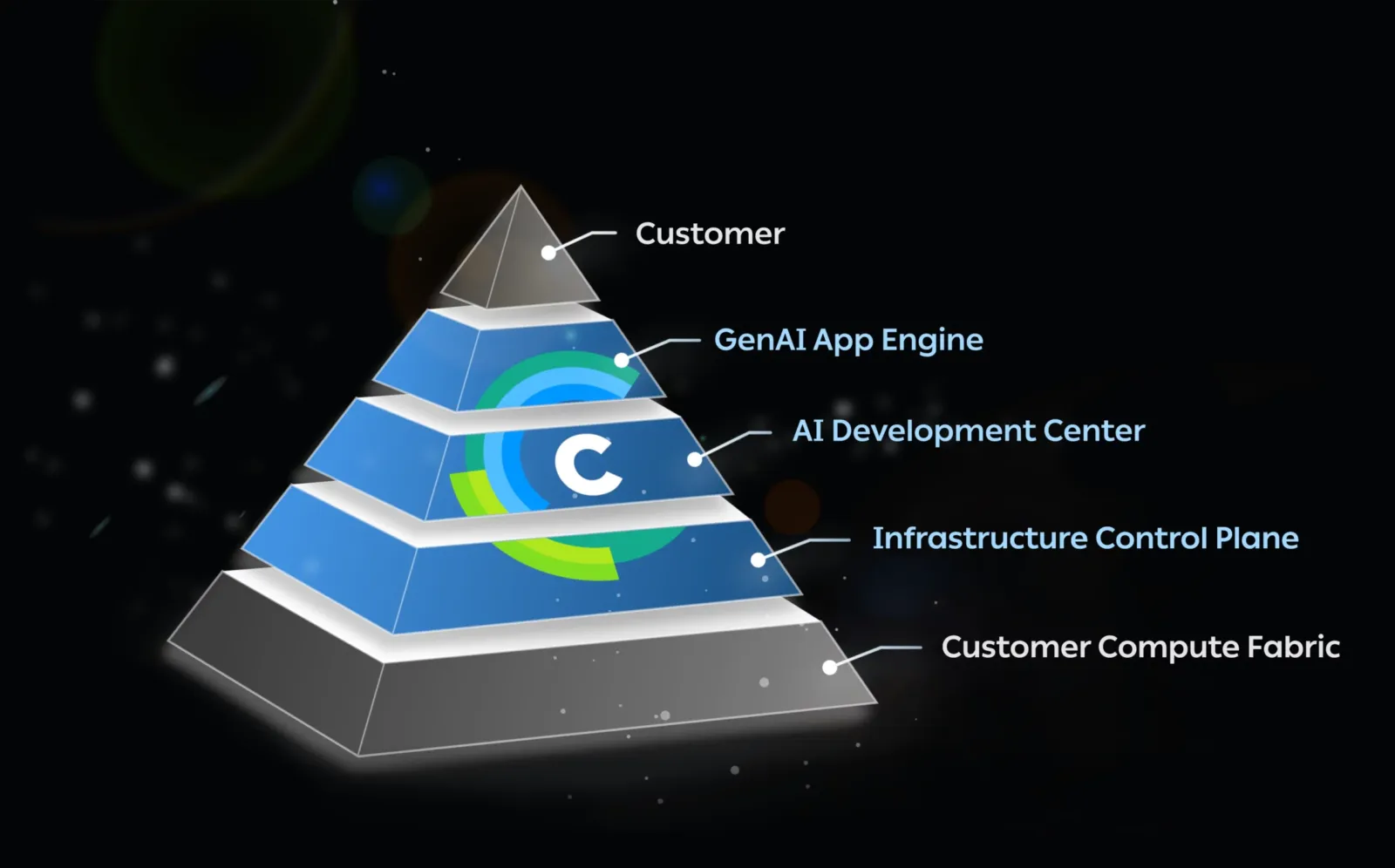
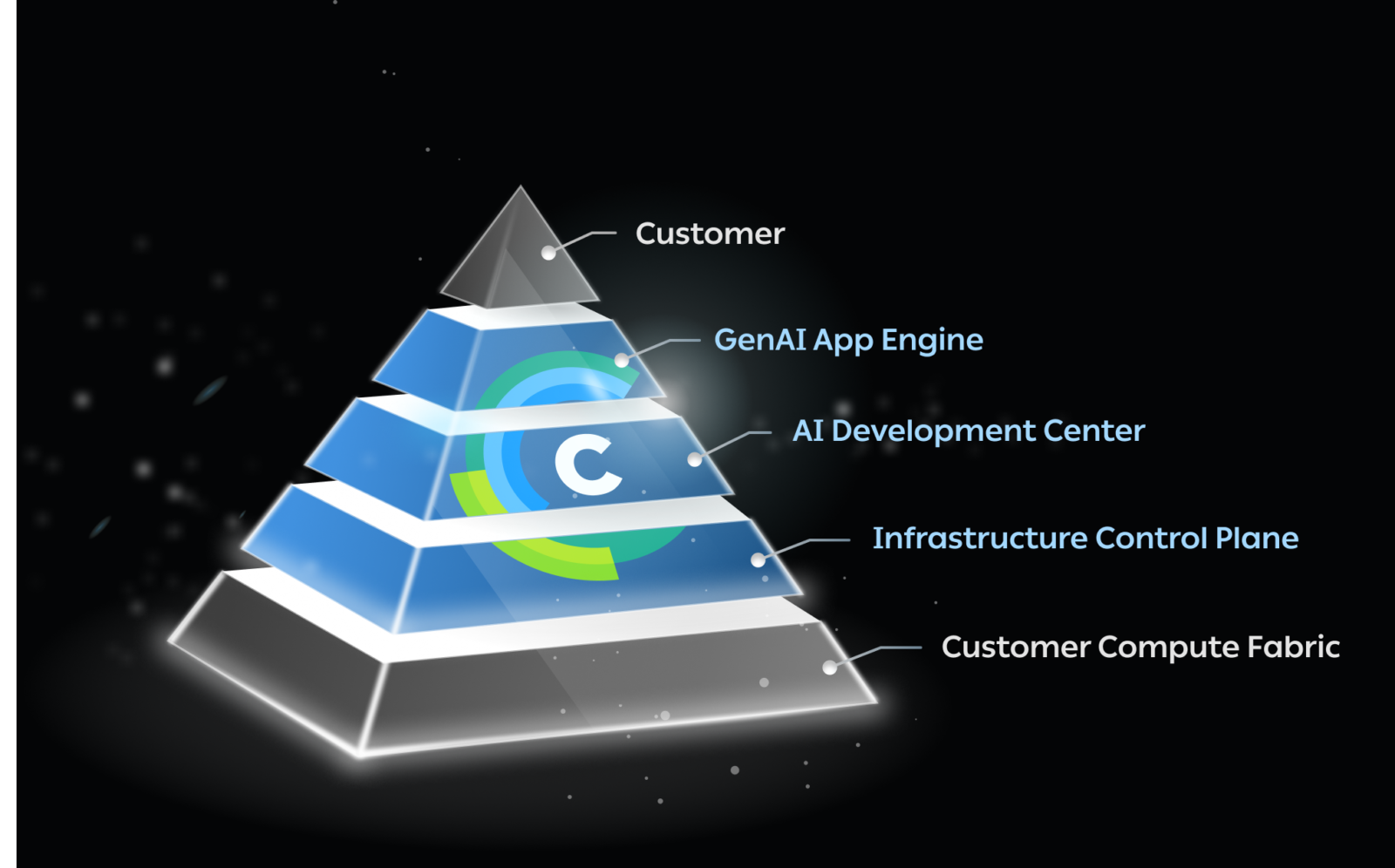
ClearML is an MLOps platform for experiment and dataset management, model tracking, workflow orchestration, and AI infrastructure management.
Official documentation covers experiment tracking, data versioning, APIs, orchestration, and flexible deployment. G2 shows 13 reviews and a 4.7/5 average, while its review summary flags setup effort as a potential challenge.
This profile combines documented product information and independent evidence where available. It is not a hands-on test unless TechZella explicitly identifies one.
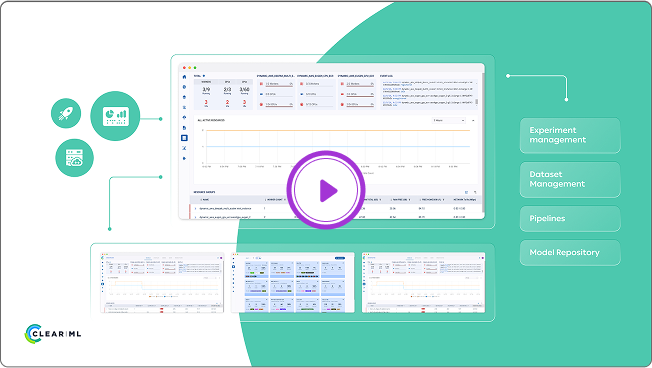
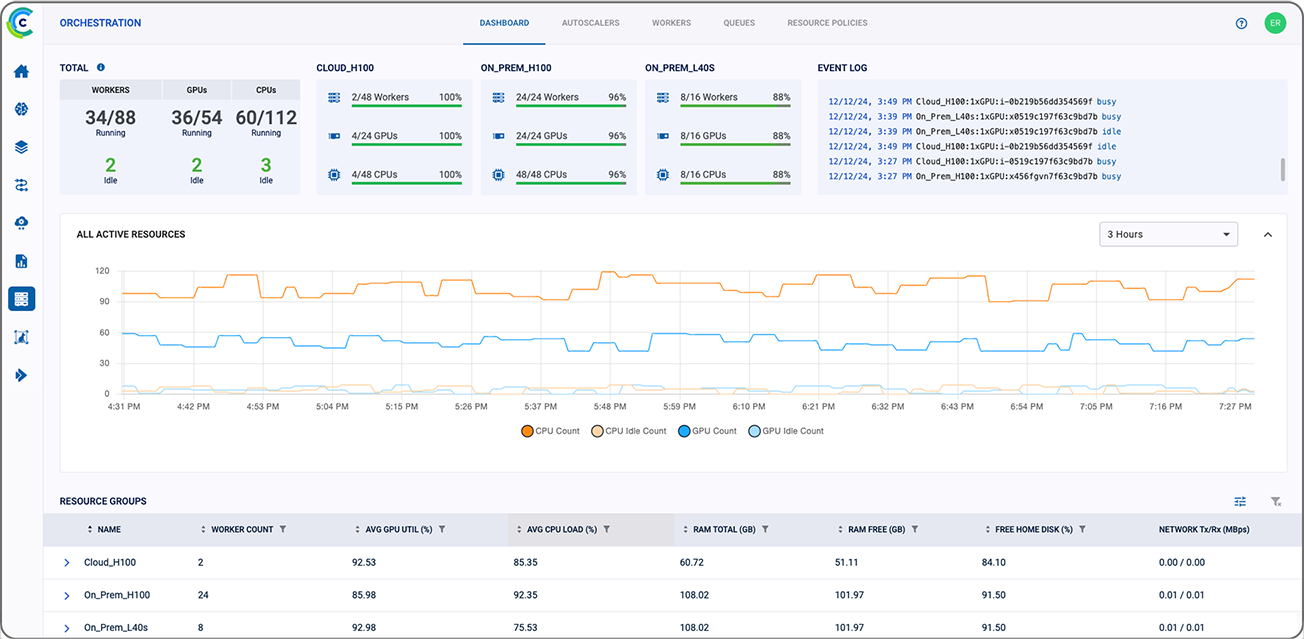
ClearML is an MLOps platform that connects experiment tracking, dataset management, model repositories, pipelines, and compute orchestration. Teams can use its hosted service or deploy it on their own infrastructure, with private and hybrid deployment options listed for higher-tier plans.
The Python package can automatically record source, environment, parameters, model files, metrics, logs, and related experiment information. ClearML also provides a REST API and a Python API client for programmatic management.
A quick way to understand who this product may suit, where its limits matter, and which facts are most relevant before you compare alternatives.
AI and machine-learning teams seeking a shared system for experiment tracking, dataset versioning, job orchestration, and model lifecycle workflows, with options for hosted or self-managed deployment.
Teams seeking a turnkey managed MLOps service with predictable flat pricing may find the metered Pro usage and self-hosted infrastructure responsibilities require additional planning, and should evaluate alternatives such as Weights & Biases instead.
AWS, Cloud, Kubernetes, Self-hosted, Web
8.3/10
These are the product-specific differences that may matter when deciding whether the software fits your workflow. They are based on documented evidence rather than a universal ranking.
These are documented constraints or practical friction points that may matter before you adopt the product.
Estimate activity and data volumes alongside per-user subscription costs before forecasting monthly spend.
Evidence source ↗Organizations that need these specific access controls should confirm plan eligibility before adopting the hosted service.
Evidence source ↗Teams should budget time for configuration and workflow adoption rather than assuming every deployment is turnkey.
Evidence source ↗Hosted plan for teams up to 3; includes 100GB artifact storage, 1GB metric events, and 1M API calls per month.
Check current pricing →For teams up to 10; additional usage charges apply for storage, metric events, API calls, and applications.
Check current pricing →Listed for organizations with 8-48 GPUs; VPC-only plan with additional infrastructure and development features.
Check current pricing →Listed for multiple large projects using VPC or on-premises clusters; includes enterprise controls and support options.
Check current pricing →Pricing may change. Verify current plans on the vendor's website.
Compare similar products directly, then see which alternatives may make more sense when your requirements differ.
| Decision factor | ClearML | Weights & Biases | MLflow |
|---|---|---|---|
| Core scope | Experiment tracking, dataset and model management, pipelines, job orchestration, and infrastructure control plane options. | Experiment tracking, asset registry and lineage, application evaluations and tracing, and collaboration features. Source ↗ | MLflow documents experiment tracking, model packaging, registry, and lifecycle management through APIs and UI. Source ↗ |
| Pricing model | Community is $0 for up to 3; Pro is $15 per user per month plus usage; Scale and Enterprise are quoted. | Free plan is $0; Pro starts at $60/month billed monthly; Enterprise is custom-priced. Source ↗ | Open-source MLflow is available at no software license price; hosting, storage, and operations depend on the chosen setup. Source ↗ |
| Deployment model | Hosted SaaS, self-hosted, VPC, on-premises, air-gapped, and hybrid options are described, subject to plan. | Cloud-hosted and privately hosted options are listed, with self-hosted server options in its pricing material. Source ↗ | MLflow supports local tracking and a self-managed tracking server, with remote backend and artifact storage configurable. Source ↗ |
| Workflow emphasis | Product documentation includes job queues, agents, pipeline execution, dataset versioning, and compute orchestration. | Product pages emphasize experiment tracking, model and artifact lineage, evaluation, tracing, and collaboration. Source ↗ | MLflow provides run tracking, artifact logging, experiment comparison, and model registry workflows; teams configure tracking server and storage components as needed. Source ↗ |
Only factors supported by the available research are shown. The comparison is descriptive, not a ranking.
These products address broadly similar requirements. The descriptions focus on documented reasons a buyer might compare them with ClearML.
| Product focus | MLOps and AI infrastructure |
|---|---|
| Primary interface | Web UI and Python SDK |
| API | REST API and Python APIClient |
| Hosting | Hosted SaaS and self-managed options |
| Deployment choices | Self-hosted, VPC, on-premises, air-gapped, and hybrid options vary by plan |
| Free plan limits | Up to 3 users; 100GB artifact storage; 1GB metric events; 1M API calls per month |
| Pro plan limits | Up to 10 users; usage charges can apply |
| Supported integrations | PyTorch, TensorFlow, Keras, scikit-learn, XGBoost, LightGBM, Optuna, Hydra, TensorBoard, and more |
| Storage connections | HTTP, S3, Google Cloud Storage, Azure Storage, and NAS |
| Headquarters | Berkeley, California, United States |
| Founded | 2016 |
Verified installation, hosting, administration, or environment details that can affect implementation.
| Hosting options | Hosted SaaS, self-hosted, VPC, on-premises including air-gapped, or hybrid deployment options are listed, with availability varying by plan. Source ↗ |
|---|---|
| Compute integration | ClearML can orchestrate workloads across compute resources; its pricing page lists Kubernetes integration for Scale and Enterprise and cloud autoscaling for AWS, GCP, and Azure on Pro. Source ↗ |
Documented portability, standards, export, or switching considerations. No switching-cost score is shown unless the evidence supports one.
Dataset management can use connected storage including HTTP, S3, Google Cloud Storage, Azure Storage, and NAS; plan storage migration and permissions separately when changing deployments.
Evidence source ↗A proprietary editorial score based on product capabilities, usability, value, performance, support and user sentiment evidence.
Official documentation covers experiment tracking, data versioning, APIs, orchestration, and flexible deployment. G2 shows 13 reviews and a 4.7/5 average, while its review summary flags setup effort as a potential challenge.
Methodology v1.0. The assessment weighs feature coverage (25%), ease of use (15%), value for money (20%), performance (15%), support (10%) and user sentiment (15%), using researched product evidence and verified review evidence where available. It is a TechZella editorial assessment, not a direct user-review average.
Key claims are linked to the sources used to verify them. This evidence record is separate from third-party user ratings.
TechZella evaluates software using documented product capabilities, pricing information, usability and value considerations, independent user evidence where available, and competitive context. The assessment is an editorial review, not a hands-on test unless one is explicitly identified. Our editorial assessment is based on 6 documented sources.
The official pricing page lists Community at $0, with no credit card required, for teams up to 3.
View source ↗Verified 2026-11-11The Pro listing names the per-user monthly price and additional metered usage charges.
View source ↗Verified 2026-11-11The SDK documentation lists source code, packages, machine details, model files, parameters, metrics, logs, and debug samples among captured information.
View source ↗Verified 2026-11-11Official documentation describes the server API as RESTful and the Python APIClient as an interface to backend REST services.
View source ↗Verified 2026-11-11The integrations documentation names PyTorch, TensorFlow, Keras, scikit-learn, XGBoost, Optuna, Hydra, TensorBoard, and other tools.
View source ↗Verified 2026-11-11The official contact page lists ClearML Inc.'s global headquarters at 2288 Fulton St, Berkeley, CA 94704, USA.
View source ↗Verified 2026-11-11CB Insights identifies ClearML, formerly Allegro.ai, as founded in 2016 and based in Berkeley, California.
View source ↗Verified 2026-11-11Answers begin with the clearest available response, followed by the context that helps you act on it.
No reviews yet. Be the first to share your experience.
Please log in to submit a review.