
The free student/teacher subscription has limited vendor commitments.
Teaching and research workflows that depend on vendor updates, fixes, documentation, or support may require a paid subscription.
Evidence source ↗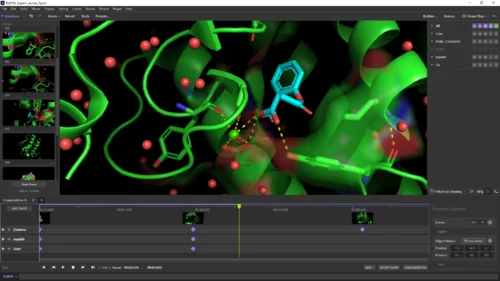
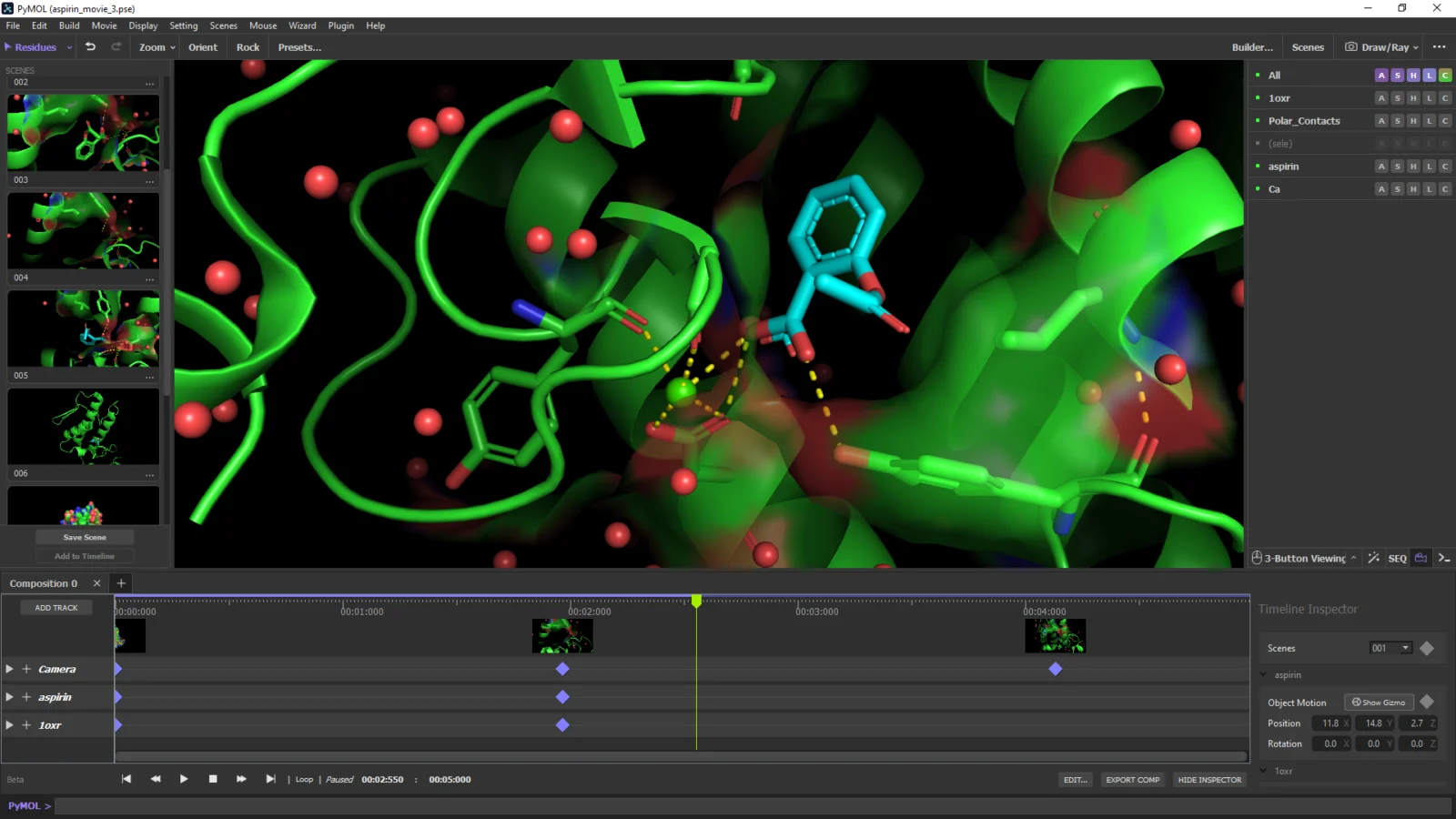
PyMOL is desktop software for viewing, analyzing, rendering, and animating molecular structures. Schrödinger distributes licensed builds and maintains an open-source project.
Scores reflect published functionality, licensing, documentation, and supported systems, not hands-on testing. PyMOL offers broad molecular visualization, rendering, animation, Python scripting, and plugin support; commercial pricing and license distinctions require buyers to check their intended use.
This profile combines documented product information and independent evidence where available. It is not a hands-on test unless TechZella explicitly identifies one.
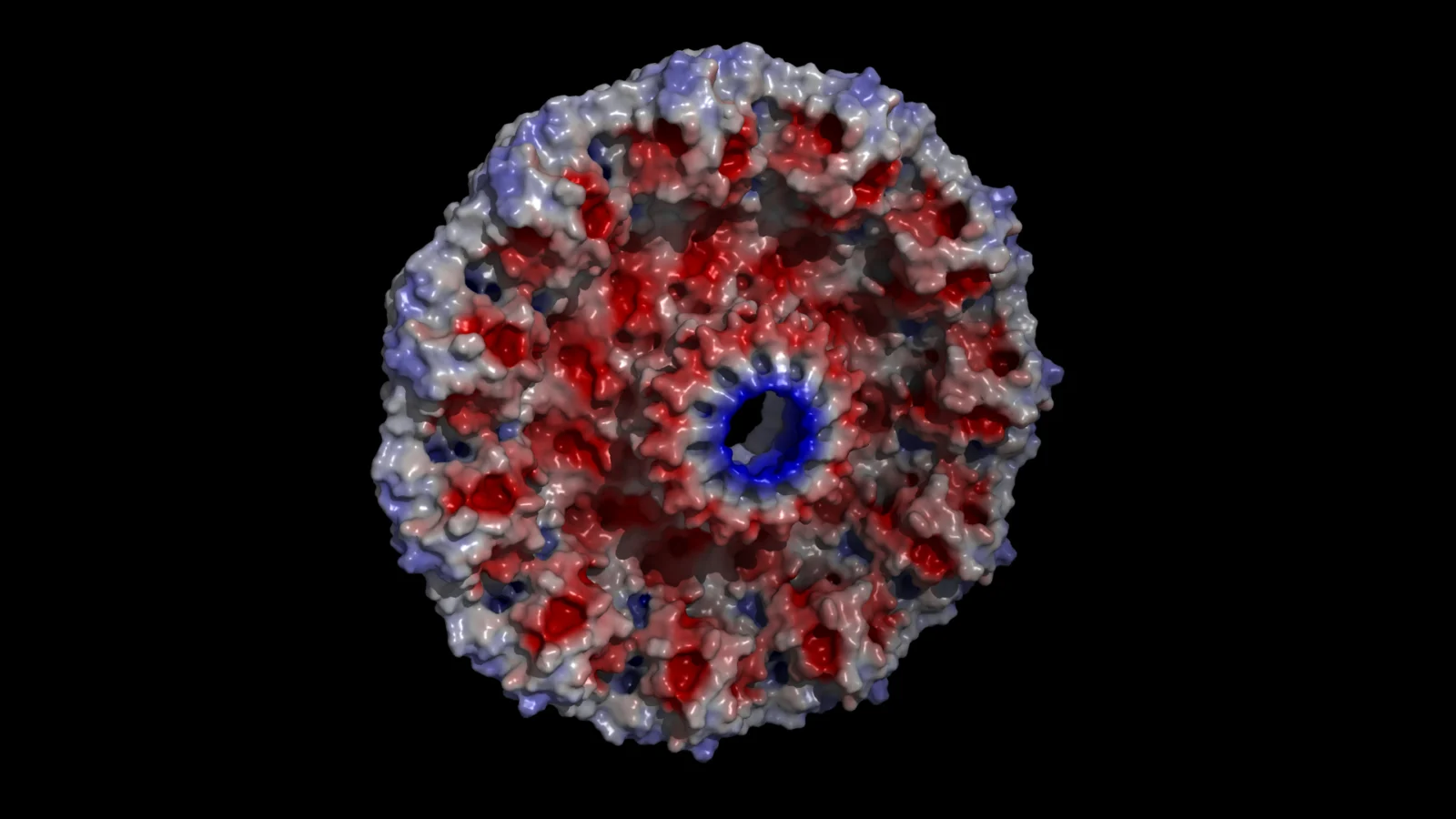
PyMOL is desktop software for displaying, analyzing, rendering, and animating three-dimensional molecular structures. Schrödinger maintains the open-source project and sells licensed software subscriptions.
Its workflows include structure inspection, customized molecular illustrations, and scientific movies. The product can read more than 30 file formats, and its feature page describes nearly 20 molecular representations.
Buyers should distinguish the source-code license from access to licensed builds and newer features. The vendor says PyMOL 3’s Timeline requires a valid license, while its free student and teacher subscription does not include a commitment to updates or support.
A quick way to understand who this product may suit, where its limits matter, and which facts are most relevant before you compare alternatives.
Researchers, educators, and scientific communicators who need desktop tools to inspect molecular structures, prepare detailed figures, or create structure-based animations.
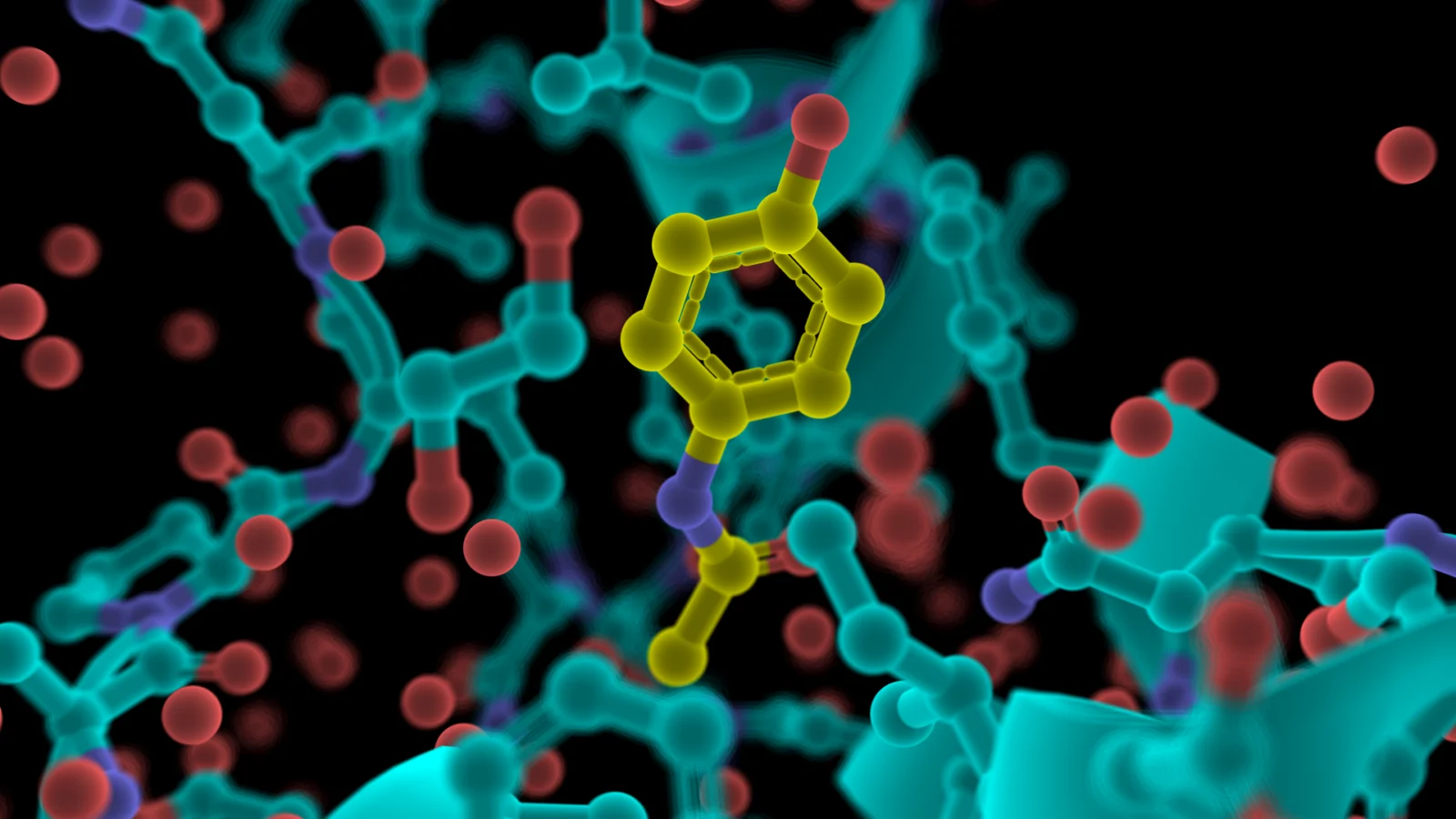
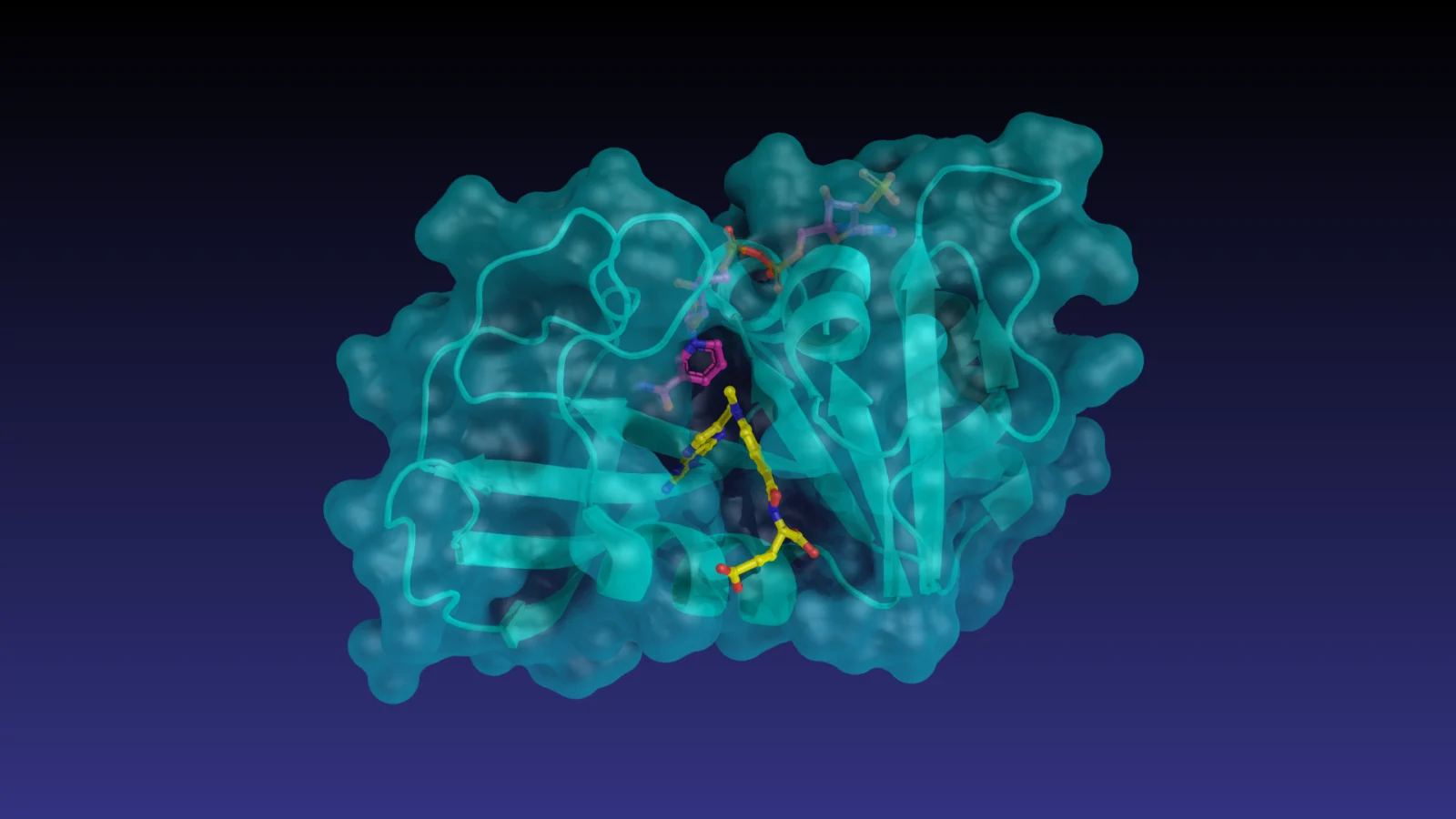
Organizations seeking a hosted browser application, or buyers who need advanced licensed features without purchasing a subscription, should assess alternatives and license terms, and should evaluate alternatives such as UCSF ChimeraX or VMD instead.
Linux, macOS, Windows
7.8/10
These are the product-specific differences that may matter when deciding whether the software fits your workflow. They are based on documented evidence rather than a universal ranking.
These are documented constraints or practical friction points that may matter before you adopt the product.
Teaching and research workflows that depend on vendor updates, fixes, documentation, or support may require a paid subscription.
Evidence source ↗A no-cost source-based setup may not provide the same feature access as the licensed build.
Evidence source ↗For organizations with 25 or fewer employees. Paid subscriptions include upgrades during the term, English-language technical support, and online documentation.
Check current pricing →Organization-wide access for organizations with fewer than 1,000 employees.
Check current pricing →One-year single-user subscription for eligible academic and non-profit use.
Check current pricing →One-year subscription providing access for all members of a lab or department.
Check current pricing →Available to full-time students and educators teaching full-time students. Schrödinger does not commit to providing updates, fixes, documentation, or support under this agreement.
Check current pricing →Pricing may change. Verify current plans on the vendor's website.
Compare similar products directly, then see which alternatives may make more sense when your requirements differ.
| Decision factor | PyMOL | UCSF ChimeraX | VMD |
|---|---|---|---|
| Pricing model | Annual PyMOL subscriptions include academic/non-profit, government, and commercial options; commercial single-user pricing starts at $1,050 per year. | Free for noncommercial use; commercial use is subject to separate licensing. Source ↗ | VMD is available free of charge, but commercial use requires a separately negotiated license. Source ↗ |
| Core workflow | PyMOL supports molecular visualization, rendering, animation, and export. | ChimeraX supports molecular visualization and analysis, including structural data and map-related workflows. Source ↗ | VMD describes display, animation, and analysis of large biomolecular systems, including molecular dynamics workflows. Source ↗ |
| Platform | Official builds are listed for Windows, macOS, and Linux. | UCSF release information lists downloads for Windows, Linux, and macOS. Source ↗ | VMD lists support for macOS, Unix, and Windows. Source ↗ |
Only factors supported by the available research are shown. The comparison is descriptive, not a ranking.
These products address broadly similar requirements. The descriptions focus on documented reasons a buyer might compare them with PyMOL.
| Deployment | Desktop installation |
|---|---|
| Supported systems | 64-bit Windows 11; macOS 13 or later, including Apple Silicon with Rosetta 2; 64-bit Linux |
| Installation options | Windows installer or ZIP, macOS DMG, Linux archive, or Schrödinger Anaconda channel |
| API | Python API and command interface |
| License management | Licensed builds use a Schrödinger License Manager license file |
| Free trial | No separate time-limited trial was listed on the official purchasing page; a no-cost educational subscription is available to eligible students and educators |
Verified installation, hosting, administration, or environment details that can affect implementation.
| Installation or hosting | Desktop downloads are available for Windows, macOS, and Linux; the official site also documents installation through Schrödinger's Anaconda channel. Source ↗ |
|---|---|
| License setup | Licensed builds use a Schrödinger License Manager license file, which users save locally and select when prompted. Source ↗ |
Documented portability, standards, export, or switching considerations. No switching-cost score is shown unless the evidence supports one.
PyMOL session files can preserve object positions, colors, representations, molecular states, frames, and movies for sharing across supported systems.
Evidence source ↗A proprietary editorial score based on product capabilities, usability, value, performance, support and user sentiment evidence.
Scores reflect published functionality, licensing, documentation, and supported systems, not hands-on testing. PyMOL offers broad molecular visualization, rendering, animation, Python scripting, and plugin support; commercial pricing and license distinctions require buyers to check their intended use.
Methodology v1.0. The assessment weighs feature coverage (25%), ease of use (15%), value for money (20%), performance (15%), support (10%) and user sentiment (15%), using researched product evidence and verified review evidence where available. It is a TechZella editorial assessment, not a direct user-review average.
Key claims are linked to the sources used to verify them. This evidence record is separate from third-party user ratings.
TechZella evaluates software using documented product capabilities, pricing information, usability and value considerations, independent user evidence where available, and competitive context. The assessment is an editorial review, not a hands-on test unless one is explicitly identified. Our editorial assessment is based on 5 documented sources.
The download page identifies version 3.1.9 and gives its update date as October 7, 2026.
View source ↗Verified 2026-11-10The official download page lists Windows installers, a macOS disk image, and a Linux archive.
View source ↗Verified 2026-11-10The official purchasing page lists a $1,050 one-year commercial single-user subscription for organizations with 25 or fewer employees.
View source ↗Verified 2026-11-10The purchasing page states eligibility and notes that Schrödinger has no obligation to provide updates, fixes, documentation, or support under this agreement.
View source ↗Verified 2026-11-10The official feature page describes more than 30 file formats and nearly 20 molecular representations.
View source ↗Verified 2026-11-10The source repository license permits use, copying, modification, and distribution without fee, subject to its conditions.
View source ↗Verified 2026-11-10Schrödinger's PyMOL 3 course FAQ says the Timeline functions only when a valid license is detected.
View source ↗Verified 2026-11-10See the buyer questions below for verified answers on pricing, the educational subscription, platform support, and scripting.
No reviews yet. Be the first to share your experience.
Please log in to submit a review.